Construction projects demand more than just skilled labor and quality materials. The equipment and machinery powering these projects fundamentally determine what’s possible, how efficiently work proceeds, and ultimately whether projects complete on time and within budget. Yet equipment considerations often receive less attention than they deserve during project planning, leading to bottlenecks, delays, and cost overruns that proper equipment strategy could have prevented.
The construction equipment landscape has evolved dramatically over recent decades. What once relied primarily on manual labor now leverages sophisticated machinery that amplifies productivity exponentially. Excavators move earth in hours that would have taken days manually. Tower cranes lift materials to heights that would be impossible otherwise. Concrete pumps deliver material precisely where needed without the logistics nightmare of manual transport. This mechanization hasn’t just made construction faster – it’s enabled projects of scale and complexity that simply wouldn’t be feasible through manual methods.
Understanding which equipment your project requires and ensuring access to reliable machinery represents a critical success factor that separates smoothly executing projects from those plagued by equipment-related delays. The right equipment, properly maintained and operated, creates the foundation for everything else to proceed effectively. Conversely, equipment failures, shortages, or poor performance create cascading problems affecting every aspect of project delivery.
Core Equipment Categories for Construction Projects
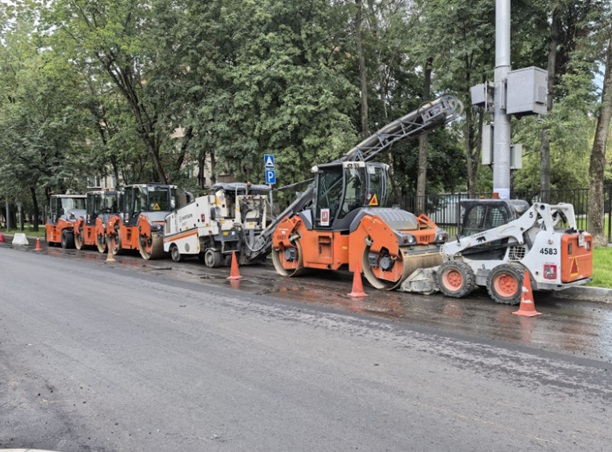
Construction equipment falls into several broad categories, each serving distinct functions essential to project completion. Earthmoving equipment handles the massive task of site preparation, excavation, and grading. These machines – excavators, bulldozers, loaders, graders – shape the terrain, create foundations, and move the enormous volumes of earth that construction requires. The productivity difference between manual earthmoving and modern machinery is so stark that virtually no significant construction happens without these machines.
Material handling equipment solves the fundamental challenge of moving materials around construction sites. Cranes lift heavy components into position. Forklifts transport palletized materials. Conveyors move bulk materials efficiently. Hoists raise materials vertically. Without effective material handling, construction sites bog down in logistics, with workers waiting for materials instead of installing them. The efficiency of material handling directly correlates with overall project productivity.
Concrete equipment addresses the specialized needs of working with this essential but challenging material. Concrete mixers ensure proper material consistency. Pumps deliver concrete precisely where needed. Vibrators eliminate air pockets ensuring structural integrity. Finishing equipment creates the desired surface characteristics. Given concrete’s central role in modern construction, having reliable concrete equipment becomes non-negotiable for most projects.
Power tools and smaller equipment, while less dramatic than heavy machinery, prove equally essential to productive construction. Cutting tools, drilling equipment, fastening systems, measuring instruments – these tools enable the detailed work that transforms raw materials into finished structures. The quality and reliability of these tools significantly impact worker productivity and the precision of finished work.
Specialized equipment serves specific construction applications. Piling equipment installs deep foundations. Asphalt pavers create road surfaces. Trenchers excavate for utilities. Scaffolding provides access for work at heights. Each construction specialty requires particular equipment, and projects often need combinations of standard and specialized machinery to address all requirements effectively.
Equipment Sourcing and Partnership Considerations
Construction companies face strategic decisions about equipment acquisition and management. Purchasing equipment outright provides complete control and availability but requires substantial capital investment and ongoing maintenance responsibility. Renting equipment offers flexibility and eliminates maintenance concerns but can become expensive for long-term needs and doesn’t build asset value. Many successful construction firms use hybrid approaches, owning core equipment they use constantly while renting specialized machinery needed occasionally.
The reliability of equipment suppliers and service providers significantly impacts project success. Equipment failures create expensive delays, and response time when problems occur matters enormously. Construction schedules typically have little buffer, meaning equipment downtime directly translates to missed deadlines and financial penalties. Establishing relationships with dependable equipment partners who provide quality machinery and responsive service becomes a competitive advantage for construction firms. Companies like Hong Seh Motors and similar established equipment providers offer the reliability and service support that construction projects require, understanding that equipment performance directly impacts their clients’ project success and reputation.
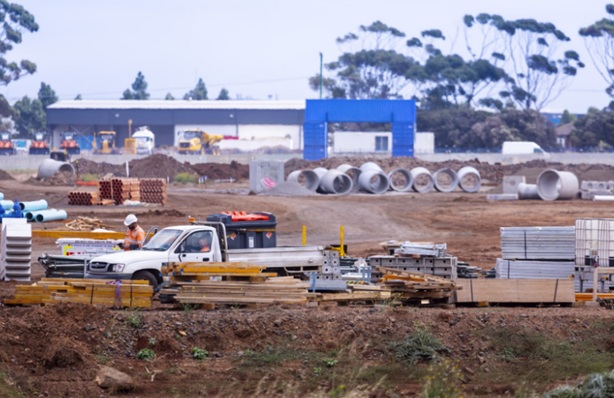
Service and maintenance capabilities matter as much as the equipment itself. Regular maintenance prevents failures and extends equipment life. Quick repairs minimize downtime when problems occur. Access to spare parts ensures repairs happen promptly rather than waiting days or weeks for components. The total cost of equipment ownership or rental includes not just acquisition costs but ongoing maintenance, repair frequency, and downtime impact. Equipment that seems cheaper initially often proves more expensive when poor reliability and slow service create project delays.
Operator training represents another critical consideration often overlooked during equipment planning. Sophisticated modern construction equipment requires skilled operators to use safely and productively. Poor operation damages equipment, creates safety hazards, and reduces productivity. Investment in operator training pays returns through improved equipment performance, reduced damage, and enhanced safety. Some equipment suppliers provide training as part of their service offering, adding value beyond just machinery provision.
Equipment compatibility and standardization within your fleet creates operational advantages. Using equipment from consistent suppliers means operators familiar with one machine can quickly adapt to others. Spare parts inventory covers multiple machines. Maintenance procedures standardize across your fleet. These efficiencies might seem minor individually but compound significantly across large fleets and multiple projects.
Strategic Equipment Management
Effective equipment management extends beyond just having the right machines available. Proper maintenance scheduling prevents failures during critical project phases. Utilization tracking ensures equipment doesn’t sit idle when it could be productive elsewhere. Fuel management controls a significant operating cost. Transportation logistics get equipment to job sites when needed. The difference between companies that excel at equipment management and those that don’t shows clearly in project performance and profitability.
Technology increasingly enhances equipment management capabilities. GPS tracking shows exactly where equipment is located. Telematics monitor equipment health and usage patterns. Predictive maintenance uses data to service equipment before failures occur. Digital platforms coordinate equipment allocation across multiple projects. These technological tools transform equipment management from reactive problem-solving to proactive optimization.
The environmental and safety considerations around construction equipment continue evolving. Emissions regulations push toward cleaner equipment. Noise restrictions affect what machinery can operate when and where. Safety features protect operators and nearby workers. Compliance with these requirements isn’t optional, making it essential to work with equipment providers staying current with regulatory requirements and offering compliant machinery.
Equipment represents one of the largest investments and ongoing expenses for construction companies. Getting equipment strategy right – what to own versus rent, which suppliers to partner with, how to maintain and manage machinery – significantly impacts competitiveness and profitability. The construction firms succeeding consistently are those that view equipment not as a necessary evil but as strategic assets requiring thoughtful management and reliable partnerships. Investing time in equipment planning, supplier relationships, and management systems pays dividends through every project you complete.