
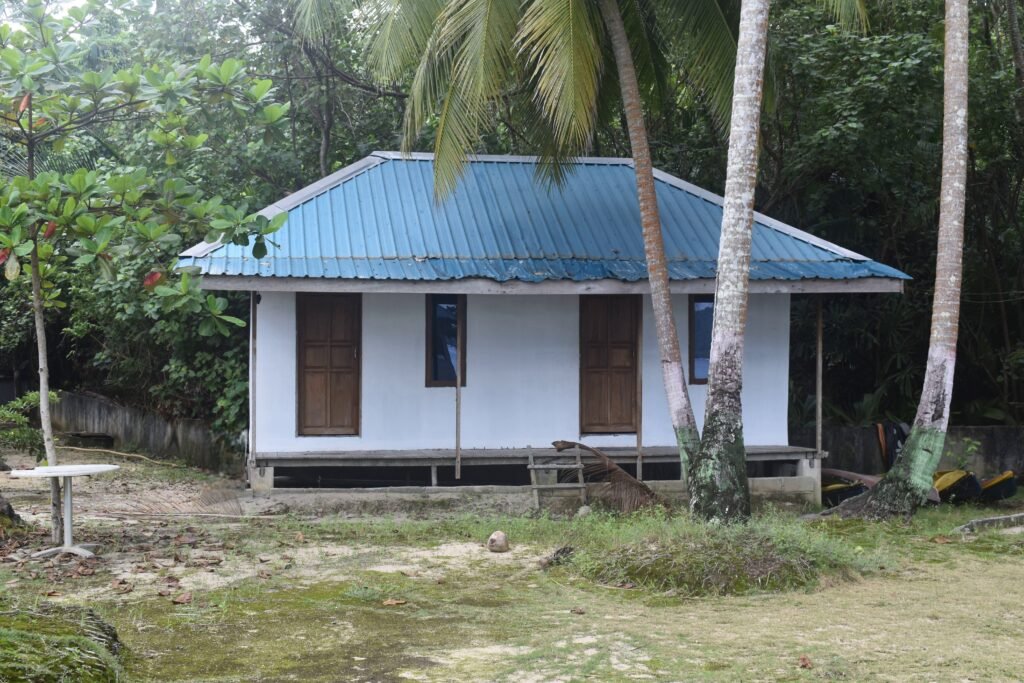
Even the most iconic resorts eventually fade. Décor dates, systems fail, and guest expectations evolve. Yet each challenge hides opportunity. The Resort Rehab Manual | Rehab and Reposition is a roadmap for owners and investors seeking to transform tired assets into profitable, modern destinations. It covers assessment, planning, budgeting and execution—the full life cycle of a resort’s renewal. For hands-on guidance and project support, visit the Resort Rehab Manual by Kepri Estates.
Revamping a resort demands more than paint and new furniture. It requires repositioning—understanding your market, redefining your brand, and engineering operational efficiency. Whether you’re rescuing a heritage hotel, upgrading a coastal retreat or modernising an island resort, this guide outlines the principles that turn underperforming properties into sought-after destinations.
Assess Before You Invest
Begin with a full audit. Inspect the structure, façades, roofs and load-bearing systems. Ageing properties often conceal corrosion, wiring faults and drainage issues that erode budgets later. Conduct energy, HVAC and plumbing assessments to identify inefficiencies.
Categorise findings by safety, guest-facing and compliance priorities. This “punch list” becomes your project baseline. Professional engineers, accessibility experts and MEP consultants should verify each stage—spending early on diagnostics saves multiples in remediation.
Documentation is vital: photograph defects, log maintenance histories and align findings with local building codes. Modern rehabilitation demands transparency and traceability across design, construction and finance.
Understand Your Market
Rehabilitation success depends on positioning. Analyse demand: who visits, why they come and what they expect now. Luxury travellers increasingly value sustainability, technology integration and authentic experiences over excess.
Benchmark against regional competitors. Stay at their properties, study guest feedback and evaluate service standards. Identify market gaps—perhaps wellness tourism, digital-nomad facilities or eco-adventure packages—and build your repositioning plan around them.
Define a clear brand identity. Are you a barefoot-luxury escape, a cultural wellness retreat or a high-tech business resort? Pricing, design and marketing must reflect that decision consistently across all guest touchpoints.
Plan the Rehabilitation
Turn insight into strategy. Map out phases:
| Area | Focus | Priority |
|---|---|---|
| Guest rooms | Fixtures, bathrooms, smart technology | High |
| Public spaces | Lobby, dining, event areas | High |
| Exterior | Façade, landscaping, lighting | Medium |
| Amenities | Pool, spa, gym, recreation | Medium |
| Infrastructure | HVAC, electrical, plumbing, IT | High |
Decide whether to close entirely or renovate in stages. Shoulder seasons often balance minimal disruption with manageable cash flow.
Form a multidisciplinary team—architects, designers, contractors and project managers experienced in hospitality refurbishment. Use collaborative project-management software to maintain timelines and accountability. Establish milestones, contingency buffers and review checkpoints.
Budgeting and Financial Control
Precise cost forecasting underpins investor confidence. Separate design, construction, permitting, FF&E, technology and marketing allocations. Always include a 15–20 per cent contingency for unknowns.
Evaluate projected ROI through increased average daily rate, occupancy gains and extended operating seasons. Energy-efficient retrofits and modern systems often cut costs long term, improving profitability and sustainability credentials.
Financing options include bank lending, private equity, or tourism-development incentives. Stagger funding if necessary: complete critical systems first, then reinvest revenue from reopened phases. Transparent reporting attracts partners and reduces risk exposure.
Implementation and Construction
Execution defines success. Establish clear communication hierarchies, weekly progress meetings and documented change-order protocols. Never approve design adjustments without written cost implications.
Quality assurance must be continuous. Schedule inspections for structural works, utilities, finishes and landscaping. Where operations remain open, mitigate disruption with dedicated work zones, adjusted service hours and staff briefings to manage guest perception.
Safety, sustainability and aesthetics must align. Test all systems thoroughly before reopening. Train teams on new technologies and operational standards to ensure the transformation resonates beyond appearance.
Repositioning and Relaunch
A remodelled resort requires a refreshed story. Build anticipation through pre-opening campaigns that highlight sustainability, design innovation and community collaboration. Showcase behind-the-scenes progress to turn construction into engagement.
Post-launch, monitor guest sentiment closely. Encourage reviews, gather data on energy performance and refine marketing narratives based on feedback. Continuous improvement sustains momentum and protects long-term asset value.
Partnerships with local artisans, producers and conservation groups enhance authenticity—today’s travellers connect with purpose-driven hospitality.
Key Takeaways
- Audit Thoroughly: Structural, mechanical and compliance reviews prevent costly surprises.
- Define Market Fit: Reposition around target guests and evolving travel trends.
- Plan in Phases: Prioritise high-impact areas; schedule intelligently to maintain revenue.
- Control Costs: Separate budgets, monitor ROI and build financial flexibility.
- Execute with Clarity: Strong communication and change-management keep projects on track.
Market the Renewal: Tell a new story that merges luxury, sustainability and community.
