
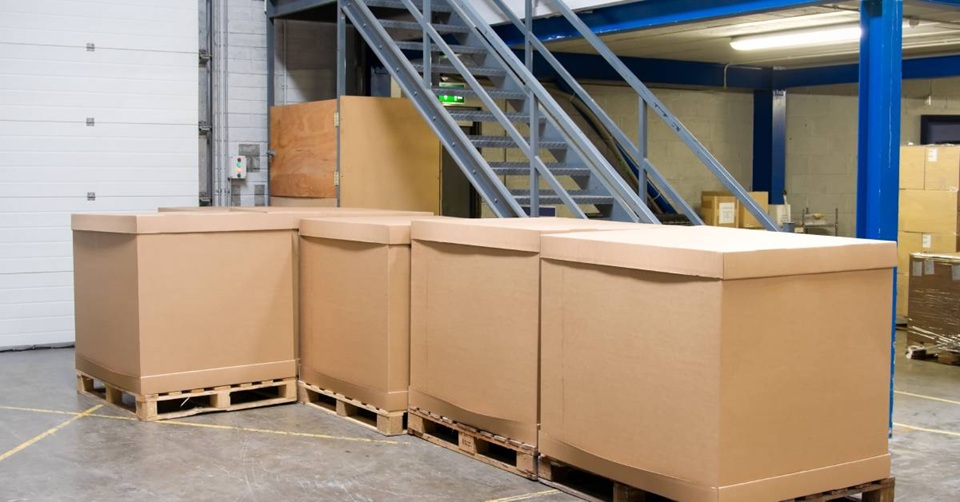
Gaylord boxes don’t look like much at first glance. Big cardboard bins, usually sitting on a pallet, open on the top and are strong enough to hold a surprising amount. You’ll see them in warehouses stacked with scrap, in grocery stores filled with produce, or in recycling centers packed with plastics.
What Are Gaylord Boxes Used for in Recycling
In the recycling world, Gaylord boxes are basically the catch-all container. Companies toss in plastic bottles, paper waste, metal shavings, even electronic parts. Once the box is full, it’s easy to move with a forklift, and the whole load can be sorted or baled from there. Some centers use them to collect returns from multiple stores before sending everything off to be processed. Gaylord boxes keep messy piles contained and make it easier to move bulk recyclables around without spillage.
How Gaylord Boxes Reduce Waste and Save Costs
A Gaylord box does more than hold recyclables. Built from thick corrugated cardboard, it can be used again and again before wearing out. Every extra cycle saves the cost of buying new containers, while also cutting down on packaging waste. Because these boxes collapse flat when empty, storage is simple and transport is cheaper compared to rigid bins. Many businesses choose used Gaylord boxes, which cost far less than new, yet still handle bulk loads without trouble. When a box finally gives out, the material goes right back into the recycling stream, closing the loop instead of adding to the trash pile.
The Environmental Benefits of Using Gaylord Boxes
Reusing a Gaylord box means one less container that has to be manufactured from scratch. It also means less single-use packaging clogging up dumpsters. Because they’re recyclable themselves, the cycle keeps going: boxes that are too worn for warehouse duty get broken down and turned back into new cardboard. For companies looking to show progress on sustainability goals, something as simple as switching to used Gaylord boxes can make a measurable difference.
Common Industrial Uses for Gaylord Recycling Boxes
Recycling centers use them daily, but that’s not the only place they shine. Manufacturers load them with scrap materials headed for recovery. Retail stores use them to move bulk returns or damaged goods. Food processors lean on them for collecting packaging waste during production runs. Even farms and distribution centers reuse them for handling seasonal overflow. Wherever there’s a need to gather, store, or move bulk recyclables, Gaylord boxes usually make an appearance.
Tips for Reusing and Repurposing Gaylord Boxes
A sturdy box can go through several rounds before it wears out. Flatten it when not in use to save space, reinforce the corners with tape if it’s starting to sag, and don’t overload it past what the pallet can carry. Some companies cut them down and use them as liners for smaller bins. Others repurpose them for shipping lightweight bulk goods, like textiles or plastic parts. With a little creativity, a single box can cover more than one role.
Where to Find Gaylord Boxes for Recycling Programs
You don’t need to buy new to get started. Many companies sell off used Gaylord boxes once they’ve cycled through a few times. Container Exchanger is one of the easier ways to track them down — they connect businesses that have extras with companies that need them. That way, you save money, keep boxes in use longer, and avoid the scramble of sourcing from random local suppliers.
Final Thoughts on Gaylord Boxes and Sustainability
Gaylord boxes aren’t fancy, but they make recycling and bulk handling easier, cheaper, and cleaner. Businesses keep turning back to them because they’re practical and they fit right into sustainability efforts without requiring a big investment.
If your operation could use more bulk containers, check out Container Exchanger’s supply of Gaylord boxes. You’ll find plenty of used Gaylord boxes ready to work, all while cutting costs and waste at the same time.






