
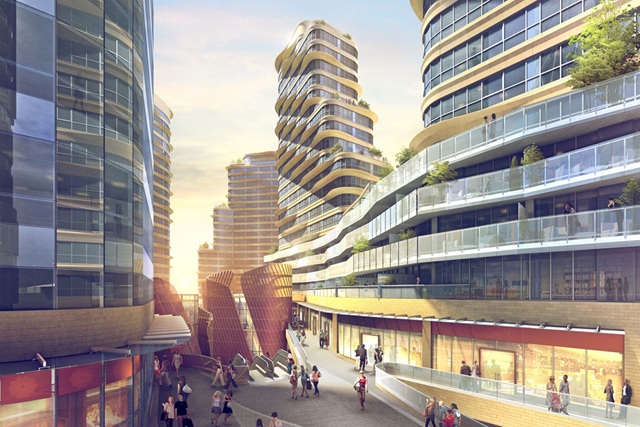
Cities expand rapidly. Increasingly, more individuals migrate into cities annually, thus the necessity for smarter land use, effective energy networks, and healthier communities increases. One effective answer for this issue consists of mixed usage structures. Rather than placing homes, offices, stores, and recreation spaces separately, mixed usage communities place them all into a single structure or district.
Picture living in a residential apartment from which you can head downstairs for a cup of coffee, drop by the local gym, and stroll quickly to work. That’s the sort of convenience offered by mixed-use developments. They conserve time, reduce commutes, and give communities a spark of energy. And best of all, when designed for the environment as well as for people, they also serve the earth.
Why Mixed Use Developments Matter
Mixed-use buildings are not just a form of architecture. They also provide real benefits for humans as well as the environment:
- Less pollution: Fewer car miles equal reduced emissions.
- Optimized use of land: We do more in less space.
- Tighter-knit communities: People tend to gather when their homes, shops, and offices are nearby.
- Versatility: The spaces may be adaptable to accommodate changing requirements, thus the development continues to be useful for decades.
For planning professionals as well as architects, learning how to design mixed use facilities for architecture is a necessary skill. Interested in finding out more? This article on mixed use building provides further information and shows how they reshape the cities of tomorrow.
Sustainable Design Strategies for Mixed Use Developments
These are simple steps all cities can take to improve the environmental impact and future-readiness of mixed-use development:
1. Maximize Natural Light and Air
Strategic placement of windows provides rooms with abundant natural lighting, thereby minimizing the use of artificial lighting. Staging cross-ventilation and open spaces provides for the free movement of cool air and reduces the need for air conditioning.
2. Incorporate Green Parts
Green roofs, gardens, and wall gardens cool structures, minimize stormwater runoff, and clean the air. They also provide quiet venues for people to relax.
3. Be Energy Efficient
Lower-energy lighting, heaters, and air conditioners all save your money and reduce carbon use. You may employ geothermal systems or solar panels in order to generate renewable energy efficiently.
4. Conserve Water and Manage Waste
Low-flow fixtures, rainwater harvesting systems, and grey water irrigation for landscaping all use much less water. Good ways to dispose of waste include composting and recycling bins.
5. Make Shared Spaces
Community centers, gyms, and coworking spaces maximize space. They also provide individuals the opportunity to come together and find new friends.
6. Walking and Using Public Transport
Best multi-use development consists of walkability. Pedestrian-accessible sidewalks, bike-friendly safe routes, and access through public transport reduce car usage.
7. Choose Environment-Friendly Materials
Recycled products and local products conserve the environment. Safer, non-toxic coatings enhance air quality indoors and provide a healthier living environment.
8. Plan for Flexibility
Develop spaces which might change what they offer over time. For example, a store might change into a cultural center if the community’s need shifts.
Classic Dilemma
Sustainable mixed-use projects may involve challenges when it comes to planning:
- Higher upfront construction costs.
- Zoning regulations supporting single-use districts.
- Weathering the demands of homes, offices, and stores all within one canopy.
- Providing special attention to green systems such as rooftop gardens.
These problems do exist, but they could be corrected by thinking ahead, involving the community, and policy support.
Learning from Wider Sustainable Design Trends
Multifunctional schemes are highly related to the global trend towards sustainable structures. For instance, this article on the future of green architecture shows how the industry is changing design to help fight climate change. Another source on eco-friendly design methods for commercial building offers valuable concepts for the commercial side of these endeavors. Both indicate how mixed-use projects pursue concepts from wider green building trends.
Real World Inspiration
Here are a few successful case studies of sustainable mixed use projects:
- Dockside Green, Canada: A renewable energy community with water recycling and a combination of homes, shops, and offices.
- Vauban District, Germany: A pedestrian, biking, and public transport-focused neighborhood where homes, schools, and shops are all nearby.
- The High Line, New York City: A former railroad converted into a public park, benefiting community engagement and local economies.
These case studies prove how mixed use buildings may combine community success with sustainability.
Final Thought
A mixed-use structure is more than a building or simply a space. It represents a new living modality to reduce commuting time, decrease pollution and greenhouse gas emissions, and build more vibrant communities. When linked to sustainability performance measures such as solar power, water conservation efforts, and pedestrian planning, these types of developments are even more greatly enhanced.
If you are a designer who explores mixed use buildings, keep these concepts in mind for your project. The outcome will be less impactful on the environment, more flexible, and ultimately more enjoyable to the community for many generations.






