Have you ever wondered why some buildings last for decades while others show signs of wear too soon? The answer often lies in the choice of construction materials.
Materials determine not only the strength of a structure but also its safety and appearance. The wrong choice can lead to costly repairs and risks.
On the other hand, smart selections create durability and comfort. Every project, big or small, depends heavily on these decisions. By reading this guide, you’ll learn the most important factors for choosing quality construction materials.
Durability and Longevity
Durability is the most important thing to look for in building materials. In the long run, materials that last longer cost less to maintain.
Also, being able to stand up to the weather is important, especially in places where it rains a lot, is very hot, or is very cold. When things go wrong or buildings wear out, a durable building stands strong. If you choose materials that last a long time, the building will be safe and reliable for many years.
Cost and Budget Considerations
Budget plays a huge role in deciding which materials to use. It’s important to strike a balance between quality and affordability.
Low-cost materials may save money in the short term, but can lead to repairs later. Higher-quality products often require a bigger initial investment but pay off in durability. Planning the budget carefully helps avoid unnecessary expenses while ensuring good results.
Safety and Compliance Standards
Safety should never be compromised in construction. Materials must meet building codes and safety regulations to protect lives.
Fire resistance, stability, and load-bearing capacity are critical aspects to check. Using certified and tested materials gives peace of mind that the structure will hold up under stress. Compliance also prevents future legal problems that may arise from unsafe building practices.
Environmental Impact
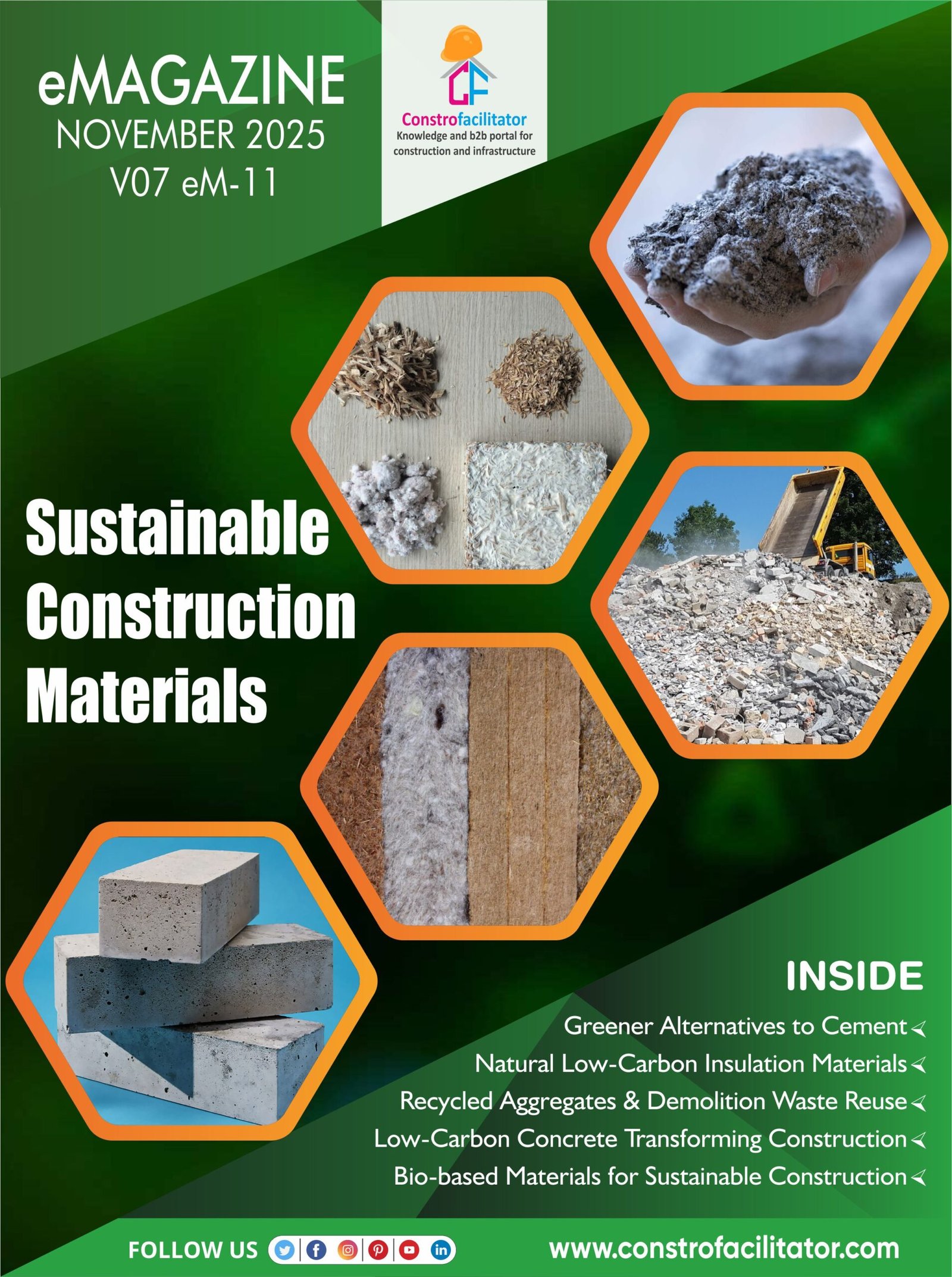
Today, many builders are considering the environmental effects of their material choices. Eco-friendly products, such as recycled wood or sustainable concrete, reduce harm to nature.
Selecting energy-efficient materials can also lower utility costs for the building. Some natural resources can be replaced with alternatives that cause less damage to the planet. Making environmentally responsible choices benefits both the project and future generations.
Aesthetic Appeal
The look of a building is almost as important as its strength. Colors, textures, and finishes all play a role in creating the right style.
For example, natural and manufactured stone for construction can add timeless beauty and elegance. Materials should blend with the overall design vision while still being functional. Good aesthetics can increase property value and leave a lasting impression.
Availability and Supply Chain
Even the best material choice is not useful if it is hard to find. Availability of materials in the local market helps prevent construction delays.
Importing from far away often increases costs and waiting times. Reliable suppliers ensure that materials arrive on time and in the needed quantity. Choosing readily available options makes the building process smoother and more efficient.
Considerations for Selecting High-Quality and Durable Construction Materials
One of the most important decisions in any project is what construction materials to use. It is important to find a good balance between things like cost, safety, design, availability, and how long something lasts.