Managing IT staff in the construction industry comes with the challenge of integrating on-site and remote teams, particularly when it comes to managing IT staff in construction, and overcoming challenges of on-site and remote collaboration. This article dives into actionable strategies to overcome these challenges, ensuring seamless collaboration. You’ll discover how to enhance communication, leverage technology, and foster team cohesion to achieve project success.
Effective Communication in Hybrid Teams
Effective communication is crucial for any successful hybrid team, particularly in the construction industry, where remote teams need to stay aligned with on-site workers. Clear communication protocols are necessary to maintain alignment and prevent costly mistakes that can delay projects. Utilizing tools like video calls, video conferencing, instant messaging, and project management platforms can significantly enhance teamwork across different locations.
Communication barriers, such as time zone differences, can create delays in decision-making and hinder progress, leading to communication breakdowns. To overcome these common challenges, consider the following strategies:
- Implement open feedback systems that allow team members to share project updates, challenges, and ideas.
- Build trust among team members.
- Set clear expectations to ensure effective communication.
These approaches help ensure that every team member is motivated and aligned with their tasks toward the same goal.
Regular Check-Ins and Updates
Regular check-ins are crucial for managing remote employees because they:
- Foster accountability and ensure alignment on objectives.
- Help track progress and address issues, preventing work stoppages and delays.
- Facilitate social interaction among team members working remotely, helping to build stronger connections and fostering a collaborative environment.
Rotating meeting times can accommodate different time zones, ensuring all team members have the opportunity to participate in scheduling meetings. Clear communication of goals and expectations during these check-ins helps prevent misunderstandings and keeps the project on track to meet deadlines.
Utilizing Asynchronous Communication Tools
Asynchronous communication tools are essential for remote teams operating across different time zones. These tools enable updates and information sharing without the need for real-time responses, allowing team members to stay productive despite varying schedules. Utilizing tools such as project management platforms and instant messaging ensures a consistent flow of information, promoting project success.
Using asynchronous communication tools helps overcome barriers and fosters effective communication within remote teams. This approach allows team members to contribute ideas and updates at their convenience, ensuring that no critical information is missed due to time zone differences.
Ensuring Seamless Technology Integration
Integrating technology in construction management is crucial for improving coordination and aligning with project goals. The right technology empowers remote teams to perform their best work efficiently, bridging the gap between remote and on-site workers. Partnering with specialized service providers like TechCloud can also help construction firms ensure they have the right IT staff in place to manage these systems effectively. Embracing technology allows construction managers to enhance collaboration, flexibility, and adaptability, leading to more efficient project outcomes.
Digital collaboration platforms unify project teams, improving real-time communication and decision-making. Technologies like virtual reality (VR) and augmented reality (AR) can enhance the visualization and understanding of project designs, making it easier for remote teams to stay aligned with on-site progress. Reliable tools and strong connectivity are crucial for maintaining productivity and communication among remote workers, ensuring that everyone is on the same page.
Providing the Right Tools
Providing the right tools is essential for enabling effective communication and collaboration in remote work environments. Cloud-based solutions facilitate secure data sharing and storage, allowing team members to collaborate on tasks and access necessary information from any location. Project management tools are particularly useful for task assignment, progress tracking, and document collaboration, ensuring that all team members are aligned with project goals and milestones.
Real-time data sharing features in project management tools improve decision-making efficiency. Productivity applications help team members stay on task and manage their time effectively while working remotely.
For larger construction firms that deal with huge volumes of data and heavy workloads, investing in enterprise-level hardware is equally important. Choosing to get high-end SATA SSDs for your servers can significantly improve data access speed, reliability, and storage performance, ensuring teams can collaborate without delays.
Training and Support
Training and support are crucial for ensuring that remote team members can effectively utilize new technologies. Specialized training programs ease the transition to remote collaboration tools, helping construction teams quickly adapt and become proficient. Ongoing support is equally important, as it maintains proficiency and ensures that team members can continue to collaborate effectively.
Initial training and continuous support ensure all team members can effectively use the same technology, enhancing overall collaboration and project efficiency. This approach fosters a culture of knowledge sharing, where team members can learn from each other and contribute to the success of the project.
Setting Clear Expectations and Goals
Setting clear expectations and goals is essential for the success of remote teams. Communicating goals, expectations, and deliverables to all team members helps prevent misunderstandings and keeps everyone aligned. Documenting decisions, action items, and important discussions provides a reliable reference for teams, ensuring that everyone is on the same page.
Regular checks for understanding help avoid ambiguity and ensure alignment within remote teams. Defining roles, responsibilities, and deadlines is crucial for ensuring accountability and maintaining project momentum.
By setting clear expectations and goals, construction managers can ensure that remote teams remain focused and productive.
Defining Roles and Responsibilities
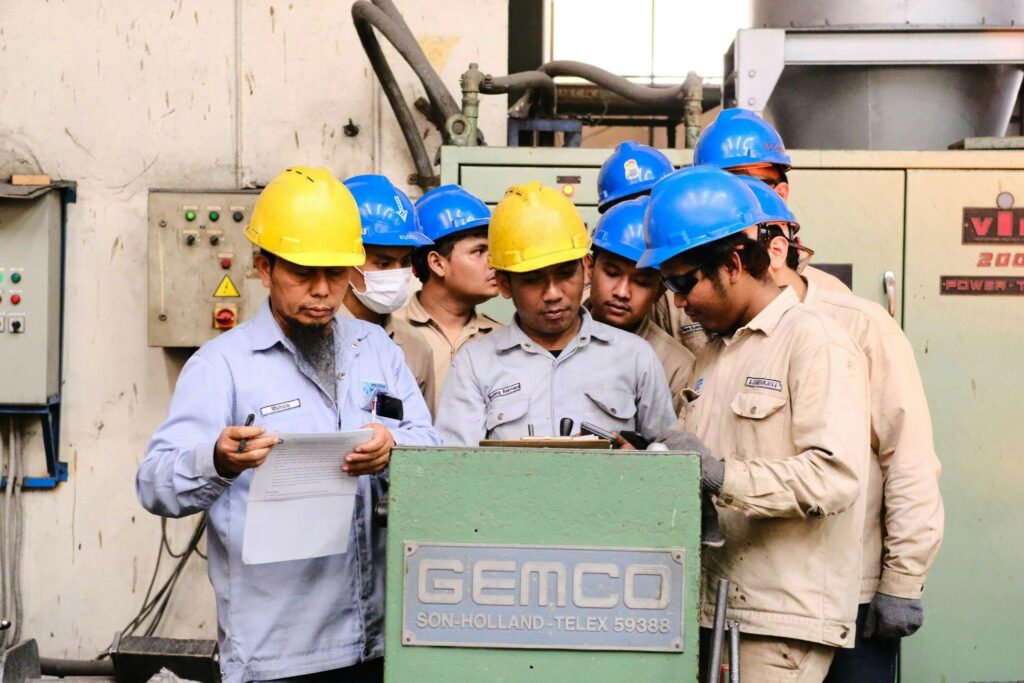
Clearly defining roles and responsibilities helps prevent task redundancy and confusion among team members. Field workers should understand the goals and expected outcomes for each phase of the project, increasing accountability and enhancing team collaboration.
By assigning specific roles and tasks, construction managers can ensure that all team members are contributing effectively to the project’s success.
Monitoring Performance and Progress
Effective performance monitoring includes:
- Regular feedback and evaluations to stay aligned with project goals.
- Robust systems for tracking performance, necessary for managing a remote workforce effectively.
- Weekly or biweekly calls to review progress, address issues, and provide feedback, ensuring that the project stays on track.
Using project management tools for progress tracking and regular check-ins helps in monitoring the project status and meeting deadlines. By implementing these strategies, construction managers can ensure that remote teams remain accountable and productive, contributing to the overall success of the project.
Promoting Work-Life Balance
Promoting work-life balance is crucial for the well-being of remote employees. Remote work offers significant flexibility, allowing employees to choose their working hours and locations, which can greatly enhance their work-life balance. The absence of commuting enables employees to allocate that time to personal activities, positively affecting their work-life balance.
Creating a culture that encourages breaks and respects personal time can help maintain a healthier work-life balance for all employees. Healthy boundaries and a supportive company culture are crucial to preventing burnout among remote workers.
By promoting work-life balance, construction managers can ensure that remote employees remain motivated and productive.
Encouraging Flexibility
Remote work flexibility can lead to increased productivity, better work-life balance, and adaptability to changing circumstances. Productivity apps and stipends for remote office setups help team members stay productive while working remotely in a remote work environment. Allowing team members to create personalized systems that suit their specific scenarios can effectively manage their time and tasks, especially when considering various remote work models. As a remote worker, having these tools can enhance overall efficiency in remote work.
Providing employees with the option for flexible working hours can cater to their productivity peaks and personal commitments. Ensuring that employees are equipped to handle after-hours work or overtime, and recognizing their efforts, can further enhance their work-life balance and overall job satisfaction.
Maintaining Security and Data Privacy
Maintaining security and data privacy is a significant concern in remote work environments. Home networks, personal devices, and public spaces create unique data protection risks that can lead to significant liability and business continuity issues. For secure remote work, trust is crucial. Additionally, having the proper safeguards in place is essential. Security and data protection concerns increase with remote work, necessitating additional tools and protocols.
Inadequate security protocols can lead to data breaches, which have become increasingly costly, reaching an average of $4.45 million in 2023. Clear protocols and smart tools are necessary to create a consistent security experience across distributed teams. Construction managers must ensure that remote workers feel confident in their tools and practices to maintain security.
Secure Access to Resources
Implementing multi-factor authentication can significantly enhance security by requiring multiple forms of verification for access. Secure access protocols ensure that sensitive data and systems are protected from unauthorized access, which is critical for maintaining the integrity and confidentiality of project-related information. Consistent security practices across teams, regardless of their location, help in safeguarding project data and ensuring compliance with industry standards.
Establishing robust security protocols and regular monitoring are essential to prevent data breaches and ensure that all team members follow best practices. By securing access to resources, construction managers can protect sensitive information and build trust within remote teams.
Enhancing Remote Collaboration in Construction Projects
Remote collaboration in construction projects presents unique challenges, such as coordination difficulties and workflow management issues due to time zone differences. Using advanced project management software can significantly enhance the oversight and coordination of construction projects, ensuring that remote team members stay aligned with project goals. Technologies that can further improve remote work efficiency include:
- Virtual Reality (VR)
- Augmented Reality (AR)
- Building Information Modeling (BIM)
- Drones
Cloud-based document management provides construction teams with access to the latest blueprints, plans, and compliance records, facilitating collaboration. Tools like GPS tracking and time-tracking software are essential for monitoring the performance of remote field workers. Protecting sensitive information helps build trust in remote work settings, which is crucial in construction, where confidentiality is often paramount.
Leveraging Project Management Tools
Utilizing project management tools is essential for efficiently assigning tasks and tracking progress to ensure project timelines are met. These tools enhance collaboration by enabling real-time updates that align remote teams with project milestones. Cloud-based project management solutions allow teams to access project information from any location, ensuring that everyone stays informed and aligned with the project goals.
Automated notifications from project management tools help keep team members informed about task deadlines, reducing the risk of missed deadlines and ensuring smooth project execution. By leveraging these tools, construction managers can enhance the efficiency and coordination of their remote teams.
Summary
In summary, managing IT staff in construction requires a multifaceted approach that addresses the challenges of on-site and remote collaboration. Effective communication, seamless technology integration, and balancing autonomy with team cohesion are critical to ensuring project success. Setting clear expectations and goals, promoting work-life balance, maintaining security, and fostering a strong company culture are equally important.
By implementing these strategies, construction managers can create a collaborative environment where both on-site and remote team members can thrive. Embracing these approaches will not only enhance project efficiency but also build a more motivated and cohesive team, ready to tackle the complexities of modern construction projects.