Is traditional concrete keeping up with modern demands? Not always. That’s why a newer material is starting to turn heads in construction circles. It’s called Glass Fibre Reinforced Concrete, or GFRC, and it’s quietly reshaping the way we think about durability, design, and efficiency in building materials.
But what exactly is GFRC, and why is it catching on so fast?
What Is Glass Fibre Reinforced Concrete?
Glass Fibre Reinforced Concrete is a type of concrete that’s been blended with fine glass fibres. These fibres are alkali-resistant and designed specifically to bond with cement-based materials. Instead of using steel reinforcement or relying solely on the compressive strength of traditional concrete, GFRC uses these tiny glass fibres to add strength and flexibility.
The result? A material that performs exceptionally well under stress, is lightweight compared to traditional concrete, and offers more freedom when it comes to shaping and design. It’s not just a tweak to the formula. It’s a material with its own distinct properties and benefits.
How GFRC Is Made
The production of GFRC isn’t wildly different from that of regular concrete. It includes a cement-rich mix, sand, water, and a polymer to help bond everything together. The real difference is in the addition of alkali-resistant glass fibres, which get evenly distributed throughout the mix.
There are two main ways it’s applied:
1. Spray-Up Method
This involves spraying both the concrete mix and chopped fibres into a mould at the same time. It’s often used for larger panels or decorative applications that need fine detail and strong performance.
2. Premix Method
With this method, the fibres are mixed directly into the concrete before it’s poured. It’s slightly less strong than spray-up, but it’s quicker and simpler for smaller or more basic applications.
Either way, what comes out is a durable, versatile material that performs far better than you might expect from something with fibres in it.
What Makes GFRC Different?
Traditional concrete is strong under compression but weak under tension. That’s why steel rebar is usually added to support the load. GFRC, thanks to the dispersed glass fibres, has tensile and flexural strength built into the mix itself.
Here’s how it stands out:
- Lightweight – Despite its strength, GFRC is lighter than traditional concrete, especially when used in thin panels. That makes transport and installation easier.
- Flexible Design – It can be shaped into curves, folds, and thin, intricate designs without cracking.
- High Strength – It resists cracking under pressure better than regular concrete.
- Reduced Thickness – GFRC elements are often much thinner than standard concrete slabs or panels, yet still structurally sound.
- Durability – The glass fibres are treated to resist alkaline environments, so they don’t break down inside the concrete.
This makes it ideal for both structural and non-structural elements, depending on how it’s used and engineered.
Where It’s Being Used
GFRC is being used across a range of projects, and not just in high-end architectural showpieces. It’s popping up in everyday settings too, particularly where weight, design flexibility, or detail are key.
Some common uses include:
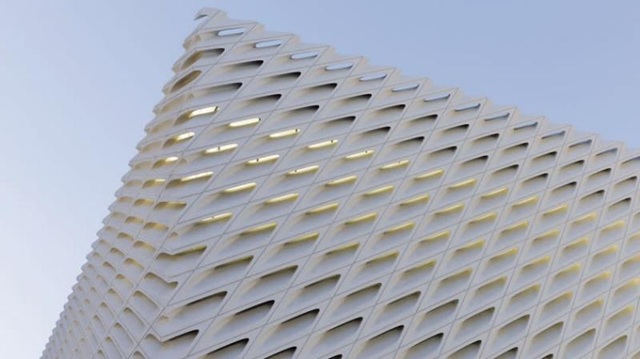
- Architectural cladding – Large wall panels with intricate textures or curved forms
- Decorative façades – Lightweight designs that mimic stone, timber, or other surfaces
- Interior features – Benchtops, fireplace surrounds, sinks, and more
- Urban infrastructure – Planters, public seating, and signage
- Restoration – Replacing or recreating damaged decorative elements on historic buildings
Its strength-to-weight ratio and customisability make it a natural fit in places where traditional concrete would be too heavy, brittle, or limited in form.
Why Is It Becoming More Popular?
GFRC isn’t a brand-new material, but it’s gaining attention for some clear reasons. As construction needs shift and sustainability becomes more important, GFRC ticks several boxes.
1. Lightweight Without Sacrificing Strength
Many projects now need to reduce load on structural supports, especially in high-rises or renovations. GFRC can provide a concrete finish and strength at a fraction of the weight.
2. Design Freedom
Architects and designers are no longer limited to basic blocks and slabs. GFRC makes it possible to create organic forms, fine detailing, and thinner sections that wouldn’t be possible with conventional concrete.
3. Faster Installation
Lighter panels mean fewer people and less heavy equipment. That can translate to faster builds and lower labour costs on site.
4. Better Performance in Tough Conditions
GFRC holds up well against weathering, corrosion, and moisture. In coastal areas or industrial zones where traditional concrete might deteriorate over time, GFRC offers a longer-lasting option.
5. Lower Environmental Impact
Because it uses less material for the same strength, and can sometimes reduce the need for steel reinforcement, GFRC has the potential to cut down on both resource use and emissions. Plus, the ability to mould it in thin sections means less waste and more efficiency.
Things to Keep in Mind
While GFRC offers a lot of advantages, it’s not always the perfect choice for every situation. Like any material, it needs the right mix, proper handling, and good design to perform as expected. It may also cost more upfront than standard concrete, especially if used in custom moulds or specialty finishes.
That said, the long-term savings in labour, maintenance, and transport can make it a smart investment in many cases.
The Material That’s Changing Expectations
GFRC is quickly becoming a go-to option in projects where strength, style, and efficiency are all priorities. It’s helping redefine what concrete can look like and how it can perform.
For builders, architects, and designers looking for more from their materials, GFRC is offering something that traditional concrete often can’t — performance with flexibility, all in a lighter, more creative package.