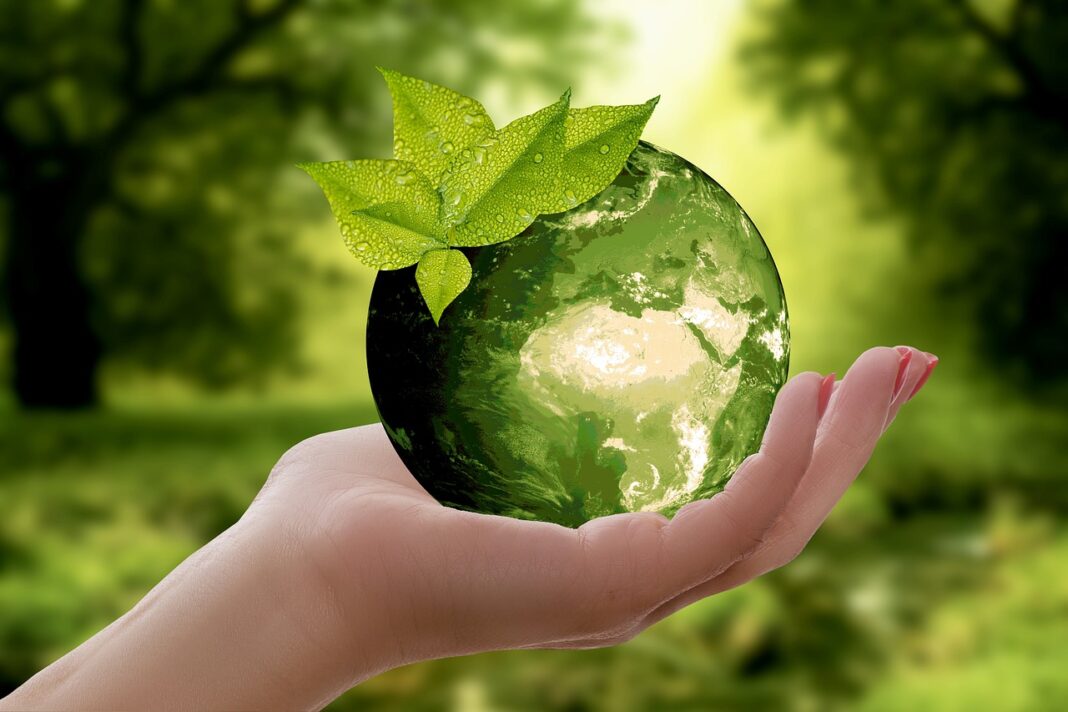
World Environment Day, observed each year on June 5, continues to serve as the United Nations’ principal platform for encouraging global environmental awareness and action. The event brings together governments, businesses, non-profits, and individuals in more than 150 countries.
The Republic of Korea is hosting World Environment Day 2025, with the global focus on ending plastic pollution. The United Nations Environment Programme (UNEP) confirms this announcement, which aligns with growing international attention to the impact of plastic on ecosystems, economies, and human health.
Focus on Plastic Pollution
Plastic waste remains a global concern. The world currently produces over 430 million tonnes of plastic every year. A significant portion of this is designed for short-term use. Much of it quickly turns into waste and enters the environment—particularly water bodies, landfills, and even food chains.
Plastic pollution affects marine and terrestrial ecosystems. Microplastics, which result from the breakdown of larger plastic materials, are found in drinking water, seafood, air, and soil. This prompts concern from scientists, policymakers, and communities.
World Environment Day 2025 seeks to highlight the issue and promote collective action. It encourages countries to reduce plastic use, improve waste management, invest in recycling systems, and develop sustainable materials.
Link to Plastic Pollution Treaty
In parallel to World Environment Day preparations, the Intergovernmental Negotiating Committee (INC) works on a legally binding global agreement on plastic pollution. This effort stems from the United Nations Environment Assembly (UNEA) Resolution 5/14, adopted in 2022.
The Republic of Korea hosts the fifth session of the INC in 2024. The session is expected to finalize the draft of the international treaty. If successful, World Environment Day 2025 could serve as the platform for the presentation and initial implementation of the treaty.
The proposed treaty addresses the entire lifecycle of plastic—from production and design to disposal and pollution control. It includes provisions on waste trade, monitoring, financial assistance, and capacity building for lower-income countries.
Role of the Republic of Korea
As host, the Republic of Korea leads preparations for the event. Its Ministry of Environment coordinates national efforts, and the government outlines plans for international forums, awareness campaigns, and public outreach programs.
Korea also brings experience from its domestic waste management policies. The country maintains systems for plastic recycling, encourages the use of biodegradable materials, and applies regulations on plastic packaging and product labeling.
By hosting World Environment Day 2025, Korea positions itself as an advocate for international cooperation in tackling plastic waste and sharing technical expertise with other nations.
Objectives and Activities
World Environment Day 2025 aims to:
- Raise awareness of the scale and impact of plastic pollution
- Support the promotion and rollout of the global plastic treaty
- Highlight best practices in plastic alternatives and waste management
- Mobilize local communities, youth, businesses, and institutions
- Encourage behavior change and policy action
UNEP and its partners support digital campaigns, educational tools, and public events. Activities range from classroom sessions and documentaries to shoreline cleanups and city-wide initiatives. The goal is to make participation accessible to all stakeholders.
Internationally, governments may use the day to announce updated national action plans, financing tools, extended producer responsibility schemes, or packaging regulations. Businesses often introduce sustainability pledges, design changes, or research collaborations.
Environmental and Economic Connections
Plastic pollution connects with broader environmental concerns. Most plastic products are derived from fossil fuels. Their production contributes to greenhouse gas emissions. Plastic burning leads to air pollution, and mismanaged waste increases flood risks in urban areas.
In oceans, plastic affects fish, turtles, seabirds, and coral reefs. On land, it affects soil quality and enters agricultural systems. The pollution also has economic consequences—affecting tourism, fishing, shipping, and waste disposal costs.
Efforts to reduce plastic consumption contribute to multiple Sustainable Development Goals (SDGs), including:
- SDG 12: Responsible Consumption and Production
- SDG 13: Climate Action
- SDG 14: Life Below Water
- SDG 15: Life on Land
- SDG 3: Good Health and Well-being
Global Participation and Engagement
World Environment Day is not limited to formal institutions. NGOs, universities, small businesses, and schools participate in large numbers. Local leaders, activists, and students organize events under the umbrella of the UNEP-coordinated campaign.
Social media campaigns amplify reach. Infographics, videos, podcasts, and user-generated content circulate under shared hashtags. UNEP also launches a dedicated website where participants register events and download toolkits and educational material.
The decentralized model ensures that awareness and action extend beyond the host country. It also allows flexibility in how countries and communities engage with the day’s theme.
Long-Term Impact
World Environment Day 2025 is designed to create sustained momentum. While the events take place in June, their impact is meant to continue beyond the date. Policy reforms, market shifts, public attitudes, and funding initiatives often follow from the visibility the day creates.
In the context of plastic pollution, long-term changes must include:
- Improved product design to reduce single-use plastics
- Growth of circular economy models
- Investment in recycling technologies and infrastructure
- Strengthening of environmental laws and regulations
- Greater collaboration between countries and stakeholders
The expected adoption of the global plastic treaty adds further weight to the 2025 event. It marks a shift from voluntary measures to binding international obligations and shared accountability.
Conclusion
World Environment Day 2025 focuses on ending plastic pollution. The Republic of Korea hosts the event and plays a central role in shaping conversations, encouraging collaboration, and setting examples through its own environmental practices. The Day supports the dissemination of the global plastic treaty, fosters public awareness, and connects governments, businesses, and communities in shared action. It emphasizes reduction, innovation, regulation, and cooperation.
As environmental challenges become more interconnected, World Environment Day continues to act as a vital global platform. The 2025 edition aims to contribute to cleaner ecosystems, improved public health, and responsible production systems through coordinated, practical steps.