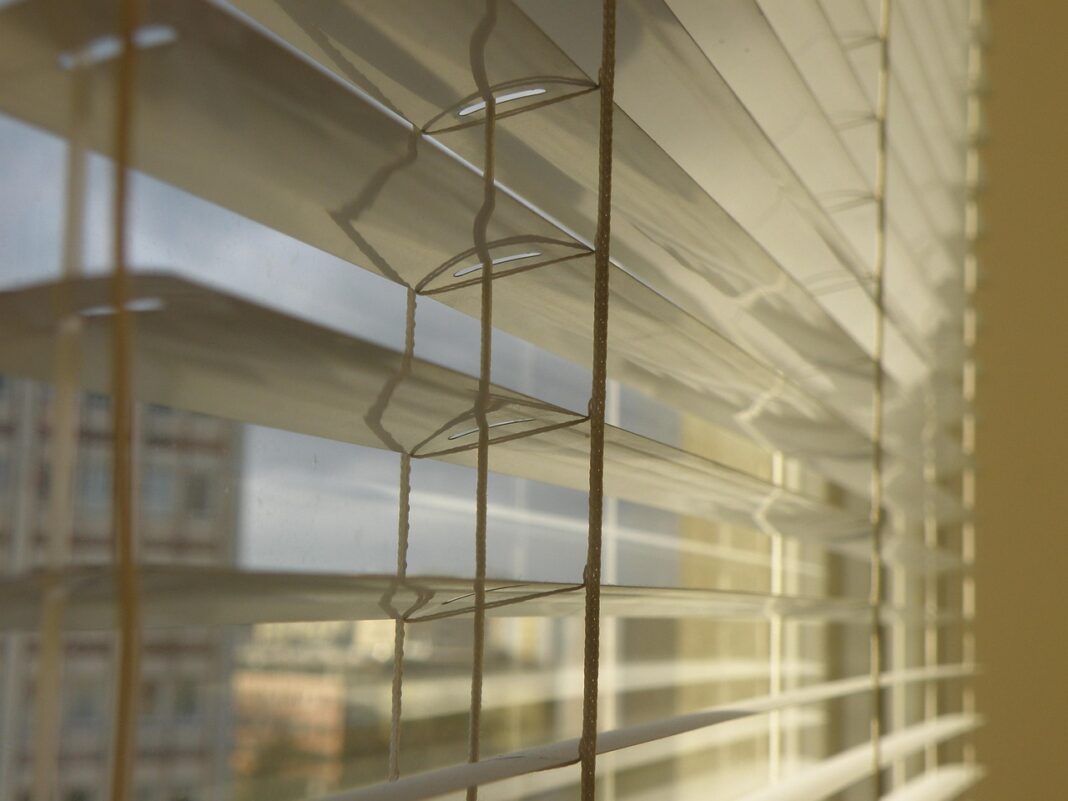
You’ve automated your lights, your thermostat adjusts based on your habits, your security system notifies you the moment there’s unusual activity—and yet, when it comes to managing sunlight, privacy, and energy efficiency, many smart homes still rely on… pulling cords?
It’s a common oversight. But increasingly, tech-forward homeowners are recognizing that motorized, app-controlled window shades aren’t just a luxury—they’re the logical next step in building a responsive, efficient, and truly smart living space.
If you’re passionate about home automation, it’s time to take a closer look at motorized shades—and why they deserve a place in your tech stack.
What Are Motorized Shades—and How Do They Work?
At their core, motorized shades are exactly what they sound like: window coverings (roller shades, blinds, or curtains) fitted with a discreet motor that allows them to open and close automatically. But what makes them truly smart is their ability to integrate with your existing home automation system.
Most modern motorized shades come in two core power configurations:
- Battery-powered: Rechargeable or replaceable battery packs that simplify installation, ideal for renters or retrofitting.
- Hardwired: Permanent wiring for consistent power, ideal for new builds or renovations.
From there, smart shades typically communicate via:
- Zigbee or Z-Wave: Common low-power mesh protocols compatible with popular hubs like SmartThings and Hubitat.
- Wi-Fi: Direct app and cloud control, often with voice assistant integration.
- Proprietary RF: Closed systems offering remote control but limited smart home interoperability (worth avoiding for enthusiasts).
Once installed, users can control shades through physical remotes, smartphone apps, voice assistants, or—ideally—automated routines.
Seamless Integration with Smart Home Ecosystems
Motorized shades aren’t just about opening and closing your window coverings from your phone (although that’s handy). Their real power comes from how they slot into your existing smart home setup.
Popular platforms like Amazon Alexa, Google Home, Apple HomeKit, and Home Assistant all support various motorized shade brands, enabling:
- Voice Control: “Hey Google, lower the living room shades.”
- Scheduled Automations: Shades open at sunrise, close at sunset.
- Sensor-Based Routines: Shades adjust automatically based on indoor temperature, brightness, or presence detection.
- Geofencing Triggers: Leaving the house? Shades close for privacy and energy savings.
For DIY automation enthusiasts running Home Assistant, motorized shades add another highly visible, interactive layer to your dashboard—one that’s functional and satisfying.
Why They Appeal to the Tech Enthusiast Crowd
Smart shades may sound like a design choice, but they pack serious functional benefits for those who love fine-tuning their tech setup:
- Energy Efficiency with Real-Time Feedback: Program shades to block solar heat in summer and let warmth in during winter. With smart plugs or energy monitoring devices, you can quantify the HVAC savings.
- Sensor-Driven Comfort: Light and temperature sensors can fine-tune shade positions throughout the day, creating an environment that adapts to you.
- Remote Diagnostics & Updates: Premium brands offer app-based firmware updates, battery level monitoring, and system health checks.
- Discreet, Quiet Operation: Modern motors operate nearly silently, with configurable movement speeds to suit preference.
- Offline Fallback Options: Concerned about cloud outages? Many systems offer local control options for privacy and resilience.
Popular Brands and Tech Specs to Consider
Choosing the right motorized shade system requires understanding both the product and its smart home compatibility. Here’s a quick breakdown:
| Brand | Protocol | Power Options | Notable Features |
| Lutron Serena | Proprietary + Integrations | Battery/Hardwired | Excellent reliability, HomeKit & Alexa support, quiet operation |
| IKEA Fyrtur | Zigbee | Battery | Affordable, integrates with Zigbee hubs (e.g., Home Assistant, SmartThings) |
| Somfy | RF + Integrations | Battery/Hardwired | Extensive fabric options, broad smart home compatibility |
| Yoolax / Generic Zigbee | Zigbee | Battery/Hardwired | Budget-friendly, solid compatibility with DIY hubs |
Key specs to compare include:
- Motor torque (important for larger/heavier shades)
- Battery life (typical: 6-12 months per charge)
- Noise levels (rated in decibels)
- Integration openness (does it require cloud access, or is local control possible?)
- API/automation capabilities (for advanced routines)
DIY Installation Tips and Common Pitfalls
Most battery-powered motorized shades are designed for homeowner installation, with minimal tools required. Still, precision matters:
- Measure Twice: Accurate window measurements are critical for a clean, functional install.
- Bracket Alignment: A level installation prevents jamming and uneven operation.
- Test Before Full Setup: Power the motor and test open/close before finalizing bracket placement.
- Pairing Troubles?: Common Zigbee/Z-Wave pairing issues can often be resolved with factory resets or closer hub placement during setup.
- Firmware Updates: Check for manufacturer updates post-install to ensure optimal performance and bug fixes.
For hardwired systems or whole-home installs, professional setup is recommended.
The Future of Automated Windows
Motorized shades are just the beginning. Forward-looking home automation is already experimenting with:
- Electrochromic Glass: Windows that tint electronically in response to sunlight.
- AI-Driven Shade Positioning: Machine learning algorithms that adapt shading behavior over time based on occupancy, weather, and personal habits.
- Interconnected Building Systems: Shades communicating with lighting, HVAC, and security for unified energy management.
In other words, window automation is poised to evolve from a luxury to a core component of energy-efficient, intelligent living spaces.
Final Thoughts: Is It Worth It?
For smart home enthusiasts, motorized shades deliver both functional and aesthetic upgrades. They eliminate a mundane manual task, enhance energy efficiency, integrate beautifully with existing ecosystems, and—let’s be honest—just feel cool to operate.
With increasing affordability, wide compatibility, and tangible daily benefits, motorized shades are rapidly moving from a “nice to have” to a logical next step for anyone serious about home automation.
If your smart home still has manual blinds or curtains, it might be time to let technology take the reins.