
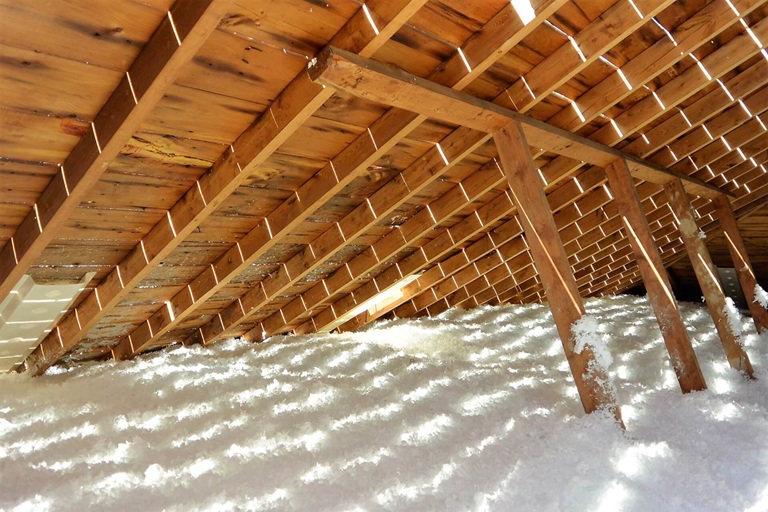
Florida is one of the hottest and most humid states in the entire United States. Summers are long, temperatures are high, and the heat can feel unbearable inside a home without the right solutions. Two of the most important investments a Florida homeowner can make are proper attic insulation and a professionally installed mini split system. Together, these upgrades can dramatically improve home comfort, lower energy bills, and protect the structure of a home for many years.
Understanding Florida’s Unique Climate Challenge
Florida’s climate is unlike any other state in the continental US. The state experiences intense heat, high humidity, and long cooling seasons that can stretch from April all the way through October. This puts enormous pressure on a home’s cooling systems and building envelope.
When the sun beats down on a Florida home, the roof absorbs a massive amount of heat. Without proper insulation in the attic, that heat transfers directly into the living spaces below. This forces air conditioning systems to work harder, run longer, and use more energy just to keep indoor temperatures comfortable. Over time, this leads to higher electricity bills, increased wear on HVAC equipment, and a home that never quite feels cool enough.
Addressing both attic insulation and the cooling system itself is the smartest approach for Florida homeowners. One without the other leaves real money and comfort on the table.
What Is Florida Attic Insulation and Why Does It Matter?
Florida attic insulation is the material installed in the attic space of a home to slow down the transfer of heat between the roof and the living area below. In Florida, the primary goal is to keep the intense outdoor heat from entering the home, though good insulation also helps retain warmth during the mild Florida winters.
The most commonly used insulation types in Florida attics include:
- Blown-in insulation (loose-fill): Blown-in fiberglass or cellulose insulation is one of the most popular choices in Florida. It can be quickly installed across large attic spaces and fills gaps and corners effectively, providing even thermal coverage.
- Spray foam insulation: Spray foam provides an excellent air seal in addition to thermal resistance. It expands to fill every crack and gap, making it particularly effective in Florida where humid outdoor air tries to infiltrate the home.
- Batt and roll insulation: These are pre-cut panels of fiberglass or mineral wool that fit between attic joists. They are cost-effective and work well in standard attic configurations.
- Rigid foam board insulation: Rigid boards can be installed against attic walls or under the roof deck to block radiant heat transfer.
The Department of Energy recommends that Florida attics have an R-value between R-30 and R-60. R-value measures the thermal resistance of insulation the higher the R-value, the better the insulation performs. Many older Florida homes are significantly under-insulated, which is a major reason why energy bills are so high.
Proper Florida attic insulation can reduce cooling costs by 10% to 50%, depending on the current state of the home’s insulation and the quality of the upgrade. Beyond energy savings, good attic insulation also reduces moisture problems, extends the life of roofing materials, and makes the entire home more comfortable and quieter.
TLS Insulation: Florida’s Trusted Attic Insulation Expert
When it comes to professional Florida attic insulation services, TLS Insulation stands out as one of the state’s most trusted and experienced contractors. With over 10 years of hands-on experience, TLS Insulation has helped improve the comfort and energy efficiency of more than 35,000 Florida homes across 100+ locations statewide. The company is backed by over 2,500 five-star Google reviews a testament to their commitment to quality, professionalism, and customer satisfaction.
TLS Insulation offers a comprehensive range of services including blown-in insulation, attic insulation installation and removal, wall insulation, ceiling insulation, garage door insulation, and duct sealing. Their certified crews use high-performance materials, provide free in-home estimates, and complete every project with a thorough inspection to verify correct R-value and full coverage. As a family-owned and locally operated business, TLS Insulation understands the unique demands of Florida’s hot and humid climate, making them the ideal partner for homeowners looking to reduce energy costs and improve year-round comfort.
What Is a Mini Split System and Why Is It Perfect for Florida?
A mini split system, also called a ductless mini split or ductless air conditioner, is a type of HVAC system that cools and heats individual rooms or zones without the need for ductwork. It consists of two main components: an outdoor compressor unit and one or more indoor air handlers mounted on the wall or ceiling.
Mini split systems are particularly well-suited for Florida homes for several reasons:
- No duct energy losses: Traditional ducted systems can lose 20% to 30% of their cooling energy through leaky or poorly insulated ductwork. Ductless mini splits eliminate this problem entirely.
- Zone-by-zone control: Mini splits allow you to cool only the rooms being used, which saves a significant amount of energy in larger homes.
- High efficiency: Modern mini split systems have very high SEER (Seasonal Energy Efficiency Ratio) ratings, meaning they cool effectively while using less electricity.
- Humidity control: Florida’s high humidity is a major comfort issue. Good mini split systems also dehumidify the air as they cool, making the indoor environment feel much more comfortable.
- Flexibility: Mini splits work well in garages, additions, converted spaces, and rooms that are difficult to cool with a central system.
Why You Must Hire a Licensed Mini Split Installation Company
Installing a mini split system is not a simple DIY project. It involves working with refrigerant lines, electrical systems, and structural elements of the home. Florida law requires that HVAC work be performed by a licensed and insured contractor and for good reason.
Here is why hiring a licensed mini split installation company is so important:
1. Code Compliance and Safety
Florida has specific building codes for HVAC installations. A licensed contractor knows these codes inside and out and will ensure your system is installed safely and legally. Unlicensed work can result in failed inspections, voided homeowner’s insurance, and safety hazards like electrical fires or refrigerant leaks.
2. Correct System Sizing
One of the biggest mistakes in mini split installation is choosing the wrong size unit. A system that is too small will struggle to cool the space; a system that is too large will short-cycle, wasting energy and failing to properly dehumidify the air. A licensed professional performs a proper load calculation to ensure the right system is selected for your specific space.
3. Manufacturer Warranty Protection
Most mini split manufacturers require professional installation to honor their product warranties. If an unlicensed installer puts in your system and something goes wrong, you could be left without warranty coverage potentially costing thousands of dollars in repairs or replacement.
4. Long-Term Performance and Reliability
A properly installed mini split system will run efficiently and reliably for 15 to 20 years or more. Poor installation shortens the life of the equipment and leads to frequent breakdowns, especially under the demanding conditions of Florida’s long cooling season.
TLS Air Conditioning: Southwest Florida’s Ductless Mini Split Specialists
For homeowners in Southwest Florida looking for a reliable and experienced licensed mini split installation company, TLS Air Conditioning (tlsairconditioning.com) is a top-rated choice. Based in Punta Gorda, TLS Air Conditioning is a Florida state licensed and fully insured HVAC contractor (License #CAC1822364) that specializes exclusively in ductless mini split systems particularly for garage spaces and residential properties. As a family-owned and locally operated company, TLS Air Conditioning takes a hands-on, detail-oriented approach to every project. Each installation begins with a careful evaluation of the space, taking into account Florida’s heat, humidity, and unique airflow conditions to ensure the system is properly sized and positioned.
They offer a full range of services including installation, repair, replacement, and maintenance of ductless mini split systems, and back all their work with a one-year workmanship guarantee plus manufacturer warranties. Serving areas including Punta Gorda, Sarasota, North Port, Venice, Tampa, and St. Petersburg, TLS Air Conditioning brings professional expertise and local knowledge to every job making them one of the most trusted names in Southwest Florida for mini split HVAC solutions.
How Attic Insulation and Mini Split Installation Work Together
Attic insulation and mini split systems are most powerful when used together. Here is how they complement each other:
- Reduced cooling load: Good attic insulation means less heat enters the home, so the mini split system does not have to work as hard. This directly translates into lower energy bills and less wear on the equipment.
- Better efficiency: A well-insulated home allows the mini split to reach and maintain target temperatures more quickly and with less energy, improving the system’s overall SEER rating in real-world use.
- Right-sized equipment: When a home is properly insulated, a licensed HVAC professional can accurately calculate the correct mini split size. Upgrading insulation first and then installing the HVAC system often means a smaller, less expensive unit is needed.
- Longer equipment lifespan: Mini split systems in well-insulated homes experience less stress, fewer run cycles, and lower peak loads all of which extend the life of the equipment significantly.
Many Florida homeowners and contractors now recommend addressing attic insulation before or alongside mini split installation to maximize results and get the best return on investment.
Signs Your Florida Home Needs Both Upgrades
Watch out for these common warning signs:
- Your electricity bills are very high during summer months
- Rooms feel hot even when the AC is running
- Your existing attic insulation is old, damaged, or missing in areas
- The garage or converted room has no cooling system
- The AC runs constantly but the home still does not feel comfortable
- Your home was built before the 1990s and has never been re-insulated
- You notice excessive humidity indoors even with the AC on
Frequently Asked Questions (FAQs)
Q1: What type of attic insulation is best for Florida homes?
Blown-in insulation is one of the most popular and effective options for Florida attics. It provides excellent coverage, fills gaps and corners well, and can be installed quickly. Spray foam insulation is another strong option because it also seals air leaks, which is especially valuable in Florida’s humid climate. The best choice depends on your specific attic configuration, budget, and goals.
Q2: How do I know if my attic insulation needs to be replaced?
Common signs include high energy bills, rooms that are difficult to cool, visible gaps or thin spots in the insulation, signs of moisture damage or mold, pest infestations in the attic, or insulation that is more than 15 to 20 years old. A professional insulation contractor can inspect your attic and give you a clear assessment.
Q3: Why can’t I install a mini split system myself?
In Florida, HVAC work must be performed by a licensed contractor. DIY mini split installation may violate local codes, void your manufacturer warranty, and create safety risks related to refrigerant handling and electrical connections. Hiring a licensed mini split installation company protects your investment, your home, and your family.
Q4: How much can I save on energy bills by upgrading attic insulation?
Depending on the current state of your insulation and the size of your home, upgrading Florida attic insulation can reduce cooling costs by anywhere from 10% to 50%. Most homeowners see a return on their insulation investment within 2 to 5 years through energy savings alone.
Q5: Can a mini split cool my garage in Florida?
Yes, absolutely. Mini split systems are one of the best solutions for cooling Florida garages. Because garages have no existing ductwork and experience extreme heat, ductless mini splits are an ideal fit. However, it is important to also insulate the garage walls and door to maximize the system’s efficiency.
Q6: Should I upgrade insulation before installing a mini split?
It is generally recommended to improve your home’s insulation before or alongside installing a new cooling system. Better insulation reduces the cooling load, which means your licensed mini split installation company can accurately size the system for maximum efficiency. Doing insulation first can also mean you need a smaller, less expensive unit.
Q7: Are there rebates available for attic insulation or mini split installation in Florida?
Yes. Many Florida utility companies offer rebates for energy efficiency upgrades including attic insulation and high-efficiency HVAC systems. Federal tax credits may also be available for qualifying energy efficiency improvements. Ask your insulation contractor and HVAC company about current rebate programs before starting your project.
Conclusion
Florida’s intense heat and humidity make proper attic insulation and a professionally installed mini split system two of the most valuable home upgrades a homeowner can invest in. Florida attic insulation blocks the relentless heat from entering your living spaces, while a licensed mini split installation company ensures your cooling system is perfectly sized, properly installed, and built to perform for decades.
Together, these two upgrades create a home that stays cooler, uses less energy, and provides a genuinely comfortable living environment even during the most brutal Florida summers. Whether you are upgrading an older home, finishing a new addition, or trying to finally get your garage under control, the combination of quality insulation and a professionally installed ductless mini split system is the smart, long-term solution.



