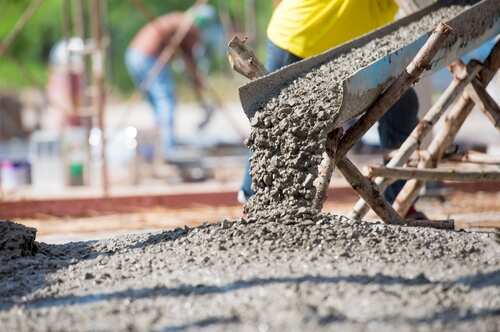
Binding materials do more than just stick materials together. They influence the weight a structure can support, the finish quality, and its working life. The right binder helps spread load across joints and supports both fixed and moving loads.
They also support construction efficiency. Materials that mix easily and set at a controlled rate allow smoother workflow at site level. Poor binder selection often leads to rework, uneven joints, and surface defects, increasing project time and cost.
Common Binding Materials Used in Construction
Different stages of construction need different binding materials. Each material works best for specific uses.
- Cement
Used widely in concrete and mortar, cement gives good strength and lasting durability. It is used for foundations, columns, slabs, and beams. - Lime
Lime allows easier application and slight flexibility when compared to cement. It is used in plastering, repair work, and light-load masonry. - Gypsum
Gypsum sets within a short time and gives an even surface finish. It is commonly used for interior plaster, false ceilings, and decorative work. - Bitumen
Bitumen works as a binder and water-resistant layer. It is used in road works, roofing, and damp control layers. - Mortar
Mortar is mixed with sand, water, and binder. It holds bricks or blocks and fills joints to keep walls steady.

Key Properties to Check Before Selecting Binding Materials
Choosing the right binding material requires attention to technical and practical factors.
- Set time suitable for site conditions
- Compatibility with bricks, blocks, or aggregates
- Resistance to moisture and temperature changes
- Required strength for load conditions
- Ease of mixing and application
- Local availability and cost control
Applications of Binding Materials in Construction
Binding materials are used at many stages of construction work. From base work to final finishing, they help keep different parts of the structure connected. In concrete work, they hold the mix together. In masonry, they help keep courses straight and share the load. During finishing, they help surfaces stay intact.
Contractors get better results when binding materials suit the size and type of work. Using higher grades than needed raises cost, while using weaker materials often causes defects later.
How to Use Binding Materials on Site
This simple template helps users apply binding materials correctly:
- Identify the construction task (structural, masonry, finishing)
- Select the binder based on strength and setting needs
- Follow correct mix ratios as per standards
- Use clean water and approved aggregates
- Apply within workable time to avoid weak bonding
- Allow proper curing to achieve full strength
Wrong shortcode initialized
Key Takeaways on Binding Materials in Construction
Binding materials used in construction directly influence safety, durability, and cost control. Understanding their purpose, properties, and correct usage helps users make informed decisions on site. Practical selection and proper handling lead to stronger structures and fewer long-term issues.