For decades, Kundli–Sonipat existed in a paradox. Strategically located at Delhi’s northern edge and anchored along NH-44, it remained economically functional yet psychologically peripheral. It was known for its industrial clusters and highway connectivity, but rarely featured in mainstream residential or mixed-use conversations dominated by Gurugram, Noida, or high-visibility corridors such as the Dwarka Expressway. That positioning is now undergoing a structural reset. What is unfolding in Kundli–Sonipat is not a cyclical upswing triggered by sentiment, but a convergence of infrastructure layers, industrial employment depth, and regional integration. The region is transitioning from adjacency to integration from being near Delhi to being connected to Delhi.
Connectivity is multiplicative: The Trailblazer
The Delhi–Sonipat Metro Phase IV extension linking Rithala to Kundli is far more than a routine transit expansion. It integrates Kundli directly into Delhi’s urban mobility grid, collapsing perceived distance and compressing commute times. For working professionals in North and West Delhi, the corridor moves from being a long-drive option to a predictable daily commute.
Parallel to this, the Delhi–Panipat RRTS corridor under the Namo Bharat initiative introduces high-speed regional mobility, reducing inter-city travel time dramatically. The significance of this lies not only in speed but in hierarchy. Kundli is positioned as a meaningful interchange within this network not merely a pass-through geography.
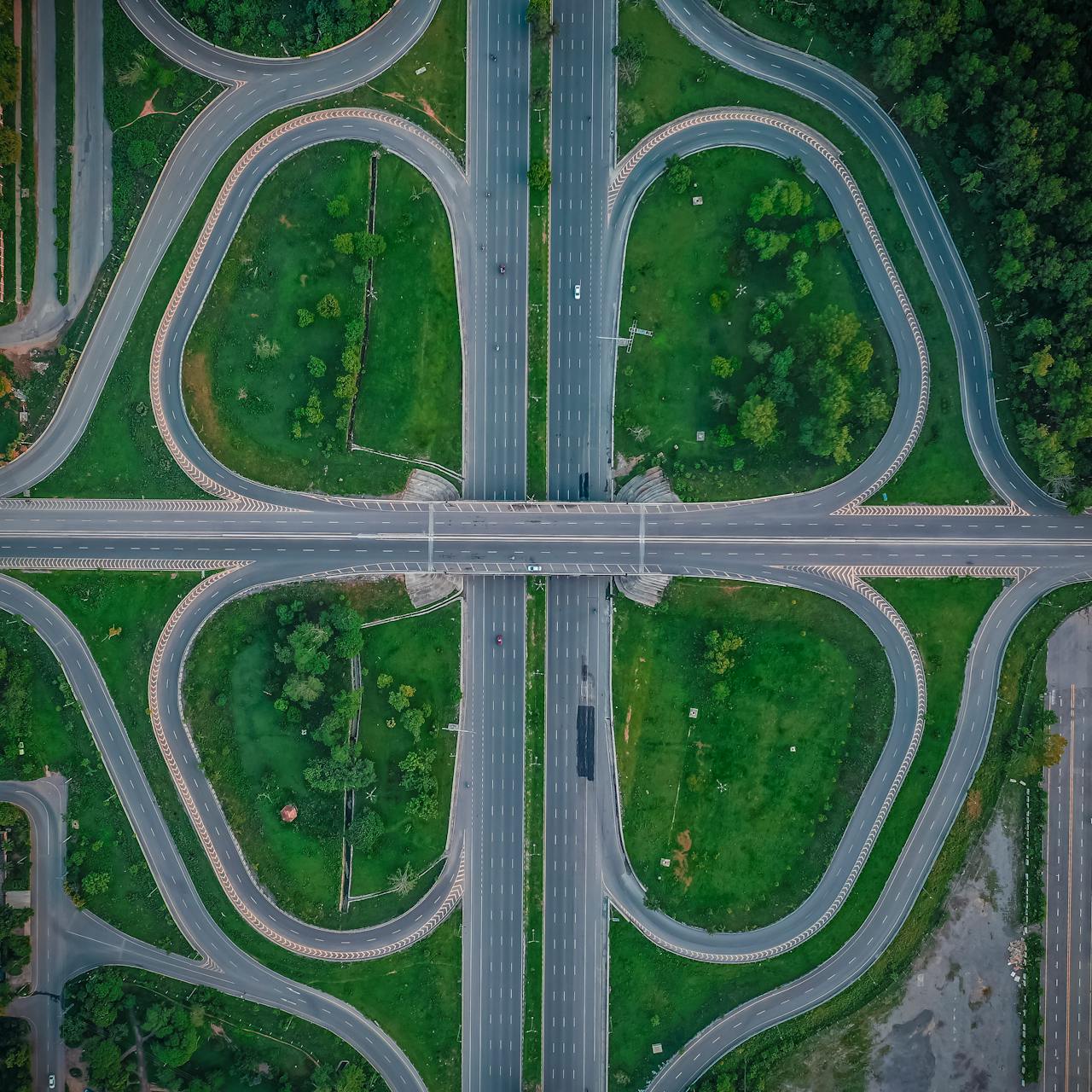
Add to this the Urban Extension Road-II (UER-II), designed to decongest legacy corridors while enhancing access to key parts of Delhi. The combined effect is layered mobility: metro for city connectivity, RRTS for regional velocity, and expressways for freight and private transit. Very few NCR micro-markets today offer this degree of rail–road convergence. Connectivity here is not additive but it is multiplicative.
Industrial evolutions create long-lasting demand
Infrastructure creates access. Employment creates sustainability. Kundli–the HSIIDC industrial corridor fundamentally strengthens Sonipat’s real estate thesis. Warehousing hubs, logistics parks, auto ancillaries, and light manufacturing units have expanded steadily along this belt. This economic base generates organised employment close to residential catchments.
Large anchors such as Maruti Suzuki reinforce the live-work ecosystem. Beyond marquee names, the logistics and e-commerce backbone of NCR continues to deepen in the northern corridor, increasing workforce density.
This industrial spine shields the region from the volatility often seen in infrastructure-led micro-markets. Demand here is not solely investor-driven as it is supported by end users whose employment is geographically tied to the region that’s why distinction matters. It results in steadier absorption, stronger rental stability, and more predictable capital appreciation.
From Accessibility to Habitability
Earlier NCR growth stories were primarily about reach and how quickly one could access Delhi’s core. Kundli–Sonipat is entering a different phase, the habitability. Improved transit has catalysed the parallel growth of social infrastructure. Educational institutions, healthcare facilities, neighbourhood retail, and organised residential townships are strengthening the urban fabric. Developers entering the market are responding not to speculative anticipation but to tangible usability.
The shift is subtle but significant. Markets driven by announcement cycles typically witness sharp price spikes followed by corrections. In contrast, Kundli in Sonipat is beginning to reflect gradual, sustained value appreciation aligned with real occupancy. The market is pricing utility — not just future promise.
Decentralised NCR growth model
NCR is evolving from a single-core growth model centred around Delhi into a network of connected nodes. Gurugram and Noida were early beneficiaries of this shift. Now, the northern corridor is entering that framework. Kundli–Sonipat represents a natural urban extension of the capital’s economic fabric. As metro corridors, RRTS networks, and expressways weave tighter regional integration, growth no longer depends solely on geographic proximity to Delhi’s centre. It depends on integration within its mobility and employment matrix. Peripheral, in this context, becomes a dated description.
Infrastructure doesn’t just connect, it repositions
The real transformation of Kundli–Sonipat lies in its repositioning. It is no longer merely an industrial adjunct or a highway-linked suburb. The emergence of Kundli as a transit-integrated, employment-backed, value-driven growth node within NCR’s expanding hierarchy is noteworthy.
Kundli has a jackpot across the investor fraternity as it presents rational price arbitrage supported by infrastructure depth. For homebuyers, it offers affordability aligned with improving commute logic, whereas for developers, it signals durable demand anchored in economic activity.
The corridor’s evolution demonstrates a larger truth about urban expansion but infrastructure does not just connect places as it redefines them. Kundli–Sonipat is not at the edge of the map anymore. It is increasingly at the intersection of mobility, industry, and residential aspiration firmly positioned on NCR’s next growth trajectory.
Authored By]