Sunday, December 21, 2025
spot_img
Home Blog Page 266

Basalt Fiber Reinforced Concrete (BFRC) Products and Their Benefits

Basalt Fiber Reinforced Concrete (BFRC) is a composite material made by incorporating basalt fibers into concrete to enhance its mechanical performance. Derived from volcanic rock, basalt fibers are known for their exceptional strength, durability, and resistance to environmental wear. The addition of these fibers improves the concrete’s tensile strength, crack resistance, and overall durability, making it a more resilient and long-lasting material for various construction and infrastructure applications.

Applications of Basalt Fiber Reinforced Concrete (BFRC):

  • Bridges
  • Marine structures
  • Tunnels
  • Highways
  • Industrial floors
  • Precast elements
  • Earthquake-prone areas
  • Dams and reservoirs

Advantages of Basalt Fiber Reinforced Concrete (BFRC):

  • High tensile strength.
  • Corrosion-resistant.
  • Lightweight.
  • Excellent fatigue resistance.
  • Non-magnetic.
  • High impact resistance.
  • Chemically resistant.
  • High thermal resistance.
  • Sustainable and eco-friendly.
  • Enhanced flexibility.
  • Low maintenance.
  • Improved workability.
  • Alkali-silica reaction (ASR) resistance.
  • Superior bonding with concrete.
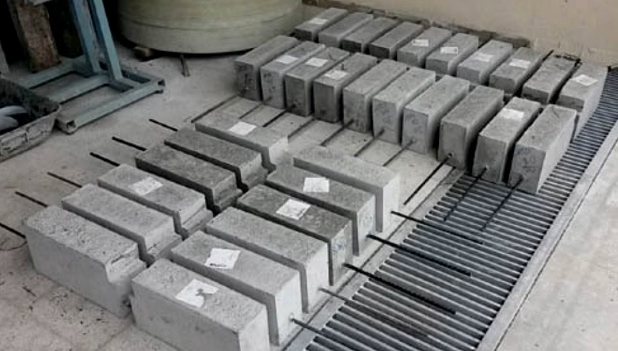
Basalt Concrete Blocks

Types of Basalt Fiber Reinforced Concrete (BFRC) Products:

Basalt Fiber Reinforced Concrete Slabs

Basalt Fiber Reinforced Concrete (BFRC) slabs are primarily used in flooring and pavement applications. The incorporation of basalt fibers enhances the concrete’s resistance to cracking and wear, making them suitable for both residential and commercial spaces with high traffic volumes. These slabs are especially beneficial in industrial environments, where durability and load-bearing capacity are critical. The basalt fibers increase the tensile strength of the concrete, ensuring that the slabs can withstand the stresses of constant use and environmental factors, such as temperature fluctuations and moisture. As a result, BFRC slabs reduce the need for frequent repairs, ensuring long-term performance and cost-effectiveness.

Basalt Precast Concrete Blocks

Precast concrete blocks reinforced with basalt fibers are used for walls, foundations, and barriers. The basalt fibers improve the overall strength and durability of the blocks, making them more resistant to cracking, weathering, and environmental damage. The added basalt fibers provide additional tensile strength, ensuring the blocks maintain their structural integrity over time. They also offer superior resistance to moisture and chemical attacks, making them ideal for areas exposed to extreme weather conditions or corrosive environments. These blocks are widely used in the construction of residential, commercial, and industrial buildings. 

Basalt Fiber Reinforced Concrete Panels

Basalt fiber reinforced concrete panels are used in facades, cladding, and partition walls for both commercial and residential buildings. These panels offer a high degree of impact resistance and durability, ensuring that buildings can withstand wear and tear over time. The basalt fibers increase the concrete’s ability to resist cracking, and their high tensile strength allows the panels to maintain their structural integrity in various environmental conditions. Additionally, these panels provide excellent thermal insulation, which can help improve energy efficiency in buildings. Their fire-resistant properties also make them a safe choice for high-rise buildings and areas prone to fire hazards. 

Basalt Fiber Reinforced Concrete Tiles

Basalt fiber reinforced concrete tiles are used in high-traffic flooring applications in both residential and commercial spaces. These tiles benefit from the strength and durability of basalt fibers, which make them resistant to cracking, impact, and abrasion. They are ideal for use in environments that experience constant foot traffic or heavy equipment, such as shopping malls, airports, and warehouses. The basalt fibers not only provide structural integrity but also improve the tiles’ resistance to staining and environmental wear. These tiles are also fire-resistant, offering an extra layer of protection in buildings exposed to fire hazards. Furthermore, their lightweight nature makes them easier to handle and install, reducing labor costs during the construction process.

Basalt Fiber Reinforced Concrete Mortar

Basalt fiber reinforced concrete mortar is a high-performance mortar used in a variety of construction and repair applications. The basalt fibers improve the mortar’s bonding properties, making it ideal for use in masonry, tiling, plastering, and surface repairs. It provides superior crack resistance and reduces shrinkage during the curing process, ensuring a more stable and reliable finish. This mortar is particularly useful in areas exposed to harsh environmental conditions or heavy mechanical stress, as it maintains its integrity over time. The basalt fibers also enhance the mortar’s impact resistance, which helps protect surfaces from damage. It is commonly used for both new construction projects and the repair of existing structures.

Basalt Fiber Concrete Mesh

Basalt fiber concrete mesh is used as reinforcement in concrete structures, providing additional strength and crack resistance. This mesh is ideal for large-scale concrete applications, such as highways, bridges, and other infrastructure projects. The basalt fibers within the mesh distribute stress more evenly throughout the concrete, improving its overall performance and longevity. This type of reinforcement is particularly beneficial in environments subjected to high stress, as it helps prevent cracking and failure. The basalt fiber mesh is lightweight and easy to install, offering an efficient and cost-effective solution for strengthening concrete structures. Its resistance to corrosion makes it especially suitable for use in harsh environments, such as marine or industrial settings.

Basalt Fiber Reinforced Concrete Barriers

Concrete barriers reinforced with basalt fibers are commonly used for road safety and urban infrastructure projects. The addition of basalt fibers improves the barriers’ impact resistance and durability, ensuring they can withstand harsh environmental conditions and high-impact forces. These barriers are corrosion-resistant and long-lasting, making them suitable for use in coastal regions and areas with heavy rainfall. They are frequently employed in highways, bridges, parking lots, and industrial zones to enhance safety and structural reliability.

Basalt Fiber Reinforced Concrete Pavement Blocks

Pavement blocks reinforced with basalt fibers are ideal for creating durable and visually pleasing outdoor surfaces. The basalt fibers significantly improve the structural integrity of these blocks, providing enhanced resistance to heavy loads, cracking, and wear caused by foot traffic and vehicular movement. These blocks are particularly suitable for applications like walkways, patios, driveways, and public parks. Their ability to withstand harsh weather conditions, such as freeze-thaw cycles and prolonged exposure to sunlight, ensures a longer service life with minimal maintenance. Moreover, they offer a sustainable solution due to the environmentally friendly nature of basalt fibers.

Basalt Fiber Reinforced Concrete Roofing Tiles

Roofing tiles made with BFRC offer superior strength and resistance to cracking compared to traditional concrete tiles. These tiles are lightweight and durable, making them easier to handle and install. The basalt fibers enhance the tiles’ resistance to weather extremes, such as high winds, heavy rain, and UV exposure, ensuring a longer service life. Additionally, BFRC roofing tiles are eco-friendly, as they incorporate sustainable basalt fibers, and they provide excellent thermal insulation for energy-efficient building designs.

Basalt Fiber Reinforced Concrete Garden Planters

Garden planters made from BFRC are durable, lightweight, and resistant to weathering. The basalt fibers enhance the planters’ structural strength, making them crack-resistant and able to withstand outdoor conditions such as UV radiation, rain, and temperature fluctuations. These planters are an excellent choice for landscaping projects in both residential and commercial spaces. Their sleek, modern design options, combined with their durability, make them a practical and attractive solution for outdoor decor.

Basalt Fiber Concrete Mesh

Conclusion

Basalt Fiber Reinforced Concrete (BFRC) is durable, and versatile, making it an excellent choice for long-lasting and low-maintenance construction and infrastructure projects.

Image Source: https://man-made-fibers.textiletechnology.net/

Soon eligible families to receive 100 sq yard plots: Haryana CM

0

HaryanaĀ chief ministerĀ Nayab Singh SainiĀ on Tuesday said that the state govt would provide housing facilities to all underprivileged families under theĀ Mukhyamantri Gramin Awas YojanaĀ andĀ Pradhan Mantri Gramin Awas Yojana.

The allotment of 100-square-yardĀ plotsĀ to eligible individuals would be carried out in phases, said Saini while chairing a review meeting of the housing for all department held at the secretariat here.

Under the scheme, plots will be given in developed colonies with all essential amenities, similar to urban areas. An allocation of Rs 100 crore has been made.The CM directed the officers to ensure that eligible families were provided the option of financing the amount for flat or plot allotment through banks. This will ensure that no eligible family is deprived of the scheme’s benefits, even if they are unable to make a lump sum payment.

Under the schemes, all eligible families in the state who do not own a house, land to build a house, or a flat, and whose annual income is less than Rs 1.80 lakh, have been identified. Under the Mukhyamantri Gramin Awas Yojana, over 5 lakh people applied for 100-square-yard plots, and all eligible beneficiaries would soon receive their plots in phases. Similarly, under the other scheme, 50-square-yard plots would be allotted in mahagram panchayats.

Under the Mukhyamantri Shahri Awas Yojana, more than 2.89 lakh families living in cities who do not own a house and have an annual income of less than Rs 1.80 lakh, have applied, with 1.51 lakh individuals for plots, and 1.38 lakh for flats. Last year, provisional allotment letters were issued to 15,256 applicants.

Adani emerged as top bidder for NH stretch in TN

0

Adani Road TransportĀ has emerged as the top bidder to manage a 124-km national highway stretch in Tamil Nadu under the toll-operate-transfer (TOT) model, with a Rs 1,692 crore offer.

The Adani Group company was followed byĀ IRB Infrastructure DevelopersĀ (Rs 1,485 crore),Ā Epic ConcessionsĀ (Rs 1,152 crore) andĀ Prakash Asphaltings & Toll HighwaysĀ (Rs 876 crore) for the four-lane Trichy-Thuvarankurichi-Madurai section on NH-38.

TheĀ National Highways Authority of IndiaĀ (NHAI) opened the financial bids on Tuesday and is expected to award the contract to the highest bidder after getting approval from its board, a senior government official told ET.The authority, which operates under the administrative control of the ministry of road transport and highways, had auctionedĀ TOT Bundle 15Ā in mid-2024.

K Raheja Corp to acquire 5.7 acre plot for in Mumbai’s Kandivali

K Raheja CorpĀ is acquiring a 5.75 acreĀ plotĀ along with a built-in property inĀ Mumbai’s western suburb ofĀ Kandivali eastĀ for around Rs 466 crore.

The company’s subsidiary K Raheja Corp Real Estate inked an agreement with Global e-Service, formerly known as The New Vinod Silk Mills, to buy the land parcel along with the building known as Vinod House.

The developer paid Rs 31.74 crore asĀ stamp dutyĀ to register the deal signed on December 22, showed documents accessed through CRE Matrix, a real estate data analytics platform.

According to property consultants, K Raheja Corp Real Estate is looking to develop a premium residential project on the plot and is in the process of applying to Mumbai’s civic authority for approvals.The company has made an initial payment of Rs 200 crore to Global e-Service with the rest payable after getting the civic authority’s approvals. The agreement has set a five-year period for the developer to secure the permissions.

K Raheja Corp did not respond to ET’s email queries.

The deal marks the fourth property acquired by K Raheja Corp in the last few months. Last month, the developer bought two prime properties—Bayside Mall, one of India’s early shopping malls, and Popular Press Building, which is spread over more than half an acre in south Mumbai’s Tardeo locality, for a total deal value of over Rs 355 crore.

Prior to that, the company had acquired SOBO Central Mall, the country’s first mall spread over 1.3 acres in south Mumbai’s Haji Ali locality for Rs 476 crore from its erstwhile owner Kishore Biyani’s Bansi Mall Management Company. The property was put on the block by creditors led byĀ Canara BankĀ to recover their dues. This property will also be redeveloped into a high-end luxury residential project.

The luxury housing market has been experiencing surging demand over the past two years across the nation’s top eight cities. Financial capital Mumbai emerged as the leader in this segment, with most of the deals in upscale south Mumbai and Worli-Prabhadevi area.Realty developers are picking up land parcels on an outright basis or through joint development agreements apart from housing society redevelopment projects to capitalise on this growing appetite for luxury properties at prime locations

Enhancing Safety on Site: The Value of Edge Protection Hire

0

Construction sites are inherently hazardous environments. With numerous risks ranging from falls from height to structural collapses, it is essential that stringent safety measures are in place to protect workers and the public. Among these protective measures, edge protection systems play a pivotal role in preventing falls and ensuring a safer work platform for those operating at height.

The Imperative of Edge Protection Systems

Edge protection systems are critical in the construction industry, particularly in scenarios where workers are required to operate near the edges of buildings and other structures. Falls from heights remain one of the leading causes of fatalities and severe injuries in construction. The implementation of reliable edge protection is not just a regulatory compliance matter but also a moral and economic obligation for construction companies.

Strategic Application of Edge Protection

To maximise the effectiveness of edge protection, a strategic approach to its application is necessary. This approach involves a thorough risk assessment, determining the most appropriate edge protection system for a particular project, and ensuring its proper installation and maintenance. Variability in construction site conditions means that one size does not fit all, and custom solutions are often required to meet specific safety needs.

Advantages of Edge Protection Hire

Acquiring edge protection systems through edge protection hire presents several advantages for construction managers. First and foremost is flexibility. Hiring allows for the appropriate selection of systems for specific phases of construction without the long-term investment of purchase. Additionally, hiring often includes professional consultation, installation, and dismantling services, which expedites the construction process and ensures that safety standards are upheld by experts with the necessary skills and experience.

Another significant benefit of hiring is cost efficiency. By avoiding upfront purchase costs, construction companies can manage project budgets more effectively, allocating financial resources to other critical areas of the project. Maintenance and storage costs are also mitigated, as the responsibility for the upkeep of the edge protection systems lies with the hiring company.

Compliance with Health and Safety Regulations

Ensuring compliance with health and safety regulations is essential. Edge protection systems supplied through hire are typically compliant with the latest industry standards and legislation. When engaging in edge protection hire, companies can have peace of mind that they are meeting their legal obligations while providing a secure environment for their workforce.

High-Quality Edge Protection Solutions

Quality should never be compromised when it comes to edge protection. The nature of construction work demands robust and reliable systems that can withstand harsh conditions and the rigours of the job. Edge protection hire companies generally offer high-quality, tested equipment that construction managers can trust to protect workers effectively.

Moreover, these hired systems are often innovative, incorporating the latest technology and design improvements for enhanced safety and usability. The dynamic nature of construction projects means that adaptability is key, and edge protection systems from reputed hire companies provide that versatility without compromise.

Environmental Considerations in Edge Protection Hiring

Environmental sustainability is becoming increasingly important in the construction industry. Edge protection hire contributes to this aim by promoting the reuse and recycling of equipment. Hiring reduces the need for manufacturing new components, which in turn lessens the environmental footprint of construction activities.

Additionally, because hire companies handle the storage and maintenance of their equipment, there is less demand for space and resources dedicated to the warehousing and upkeep of edge protection systems on the part of the construction companies, further contributing to a more sustainable industry practice.

Enhanced Productivity and Safety

Productivity on a construction site is intrinsically linked to safety. Safe workers are more confident in performing their tasks without undue fear of accidents. Edge protection hire can ensure that this confidence is bolstered by the presence of effective safety barriers, leading to a more efficient workforce and ultimately, a more successful project outcome.

When workers are provided with a secure working environment, the risk of accidents is significantly lowered, decreasing downtime and associated costs. This seamless integration of safety measures into the daily workflow translates into both financial benefits and higher morale among the construction team.

Choosing a Reliable Edge Protection Hire Company

Selecting the right edge protection hire company is crucial. Construction managers should seek out providers that have a proven track record of delivering quality systems and services. Expert advice, tailored solutions, and a commitment to safety are all hallmarks of a reputable edge protection provider.

Additionally, it is advisable to opt for a hire company that values customer service and offers comprehensive support throughout the rental period. This ensures that any issues or changes in requirements can be swiftly addressed, allowing construction activities to proceed without delay.

Conclusion

In conclusion, the value of edge protection hire in enhancing safety on construction sites cannot be overstated. It brings strategic, financial, and practical advantages, helping construction companies to not only comply with regulations but to foster a safety-first culture. As the construction industry continues to evolve and the emphasis on worker safety grows, the demand for flexible and high-quality edge protection solutions will undoubtedly rise. Through careful selection of reliable hire services, construction projects can achieve the highest standard of edge safety, ensuring that all those on site are protected, and that projects are delivered successfully and responsibly.

Read this from PrivateProxy: Insider Tips & Insights

0

Bruce Schneier, a well-known cybersecurity expert, once said, “Privacy is not just a human right, but a necessary condition for freedom and democracy.” This quote really hits home for me. It’s vital to dive into the world of online security and privacy. In this article, I’ll share my personal experience with PrivateProxy services. You’ll learn about the best private proxy services and how to compare proxy providers.

Introduction to PrivateProxy

Online security and privacy are more important than ever. It’s key to find reliable proxy providers. PrivateProxy is one such provider that offers services to protect your online presence. I’ll talk about my experience with PrivateProxy, including the good and bad, and how they stack up against others. If you’re searching for privateproxy reviews or the top privateproxy services, this article has you covered. Here are some reviews forum read this from PrivateProxy.

Key Takeaways

  • PrivateProxy offers a range of services to protect your online presence
  • Reading reviews from privateproxy can help you make an informed decision
  • Comparing proxy providers is essential to find the best service for your needs
  • PrivateProxy services can help individuals and businesses protect their online security and privacy
  • Understanding the importance of online security and privacy is crucial in today’s digital age
  • PrivateProxy is a reliable and trustworthy provider of proxy services

Understanding PrivateProxy: A Comprehensive Overview

Exploring private proxies, I see how vital their features are. They offer enhanced security and anonymity, key for protecting online presence. An unbiased look shows these services boost performance and reliability.

Choosing a private proxy server means weighing its pros and cons. Advantages include better security, faster speeds, and more scalability. Yet, there are downsides like higher costs and technical issues. Researching thoroughly helps make the right proxy choice.

Key Benefits of PrivateProxy

  • Enhanced security and anonymity
  • Improved performance and reliability
  • Increased scalability and flexibility

Knowing what private proxies can do unlocks their full potential. They’re great for protecting personal data or boosting business online. With the right features, you get a faster, safer, and more reliable web experience.

Technical Deep Dive into PrivateProxy Services

PrivateProxy is a top proxy service provider. It offers features for internet anonymity and anonymous browsing. The company has a strong server setup and fast performance. It has servers all over the world for secure and quick web access.

PrivateProxy has different proxy types for various needs. You can choose from HTTP, HTTPS, and SOCKS proxies. HTTP proxies are great for anonymous web browsing. SOCKS proxies are best for very secure and anonymous applications.

Server Infrastructure and Performance

The server setup and performance of PrivateProxy are key. It uses fast servers with lots of storage for quick and secure browsing. The company also has strong security to protect user data and prevent unauthorized access.

Proxy Types and Their Applications

PrivateProxy offers many proxy types, each with special features. These include:

  • HTTP proxies: ideal for browsing the web anonymously
  • HTTPS proxies: provide an additional layer of security and encryption
  • SOCKS proxies: better suited for applications that require a high level of security and anonymity

With its range of proxy types and strong server setup, PrivateProxy offers secure and fast web access. It’s perfect for those who want internet anonymity and anonymous browsing.

My Personal Experience with PrivateProxy Services

I started looking into private proxies to find the best services. I read many privateproxy reviews to understand what providers offer. I also looked at privateproxy pricing to make sure I was getting a good deal.

I was impressed by the features of top privateproxy services. They offered fast connections, strong security, and great customer support. I tried a few providers and found plans that matched my budget.

Some benefits I got from privateproxy services include:

  • Enhanced online security and anonymity
  • Faster browsing speeds and lower latency
  • Access to geo-restricted content and websites

Overall, I’m very happy with my experience with privateproxy services. I highly recommend them for improving your online experience.

Privateproxy pricing varied among providers and plans. But, I found a plan that met my needs and budget. I suggest doing thorough research and reading reviews to find the best services for you.

Conclusion: Making the Most of Your PrivateProxy Investment

As we finish our exploration of PrivateProxy, it’s clear that keeping your data safe is crucial today. PrivateProxy stands out as a trusted solution, offering strong features to protect your online life and keep your personal info safe.

Using PrivateProxy means you can relax knowing your data is secure. It’s great for anyone wanting to stay anonymous or businesses wanting to keep their digital stuff safe. PrivateProxy makes it easy to do just that.

If you’re thinking about getting PrivateProxy, look at what other proxy providers offer too. PrivateProxy is known for its focus on keeping you anonymous and its strong security. It’s a top pick for those wanting to guard their online actions.

Start using PrivateProxy to fully enjoy your digital freedom. It has everything you need to stay private and navigate the digital world with confidence. PrivateProxy is here to help you every step of the way.

FAQ

What is PrivateProxy?

PrivateProxy is a top proxy service. It gives users secure, reliable, and private web access. It protects your online data and lets you browse freely.

What are the core features of PrivateProxy?

PrivateProxy has many features. It has a global network of fast servers and supports many proxy protocols. It also has advanced security and an easy-to-use interface. These features ensure safe and private internet access.

How does PrivateProxy ensure the security and privacy of its users?

PrivateProxy uses top security measures like AES-256 encryption and SOCKS5 proxy support. They also have a strict no-logs policy. This means your browsing history and personal info are kept private and not shared.

What are the different proxy types offered by PrivateProxy?

PrivateProxy offers several proxy types. These include HTTP/HTTPS, SOCKS5, and SSL/TLS proxies. Each type is designed for different needs, like bypassing restrictions or securing your internet connection.

How does the performance and reliability of PrivateProxy compare to other proxy services?

PrivateProxy is known for its fast and reliable service. I’ve found their servers to be always up and running. Their global network ensures smooth internet access, making them a top choice for secure browsing.

What are the pricing options and plans offered by PrivateProxy?

PrivateProxy has various pricing plans for all users. Their plans are affordable and flexible. You can pick the one that fits your budget and needs.

How do I get started with PrivateProxy?

Starting with PrivateProxy is easy. Just sign up on their website, choose a plan, and set up your proxy. Their interface is user-friendly, making it simple for everyone to get started.

A Guide to Key Health and Safety Standards for Modern Workplaces

0

Ensuring the health and safety of employees is a fundamental responsibility for every employer. In modern workplaces, where industries range from office environments to construction sites, maintaining high health and safety standards is critical for protecting workers and fostering productivity. With ever-evolving risks and legal obligations, businesses must stay up to date with regulations and adopt proactive measures to mitigate hazards.

Understanding the Legal Framework

The foundation of workplace health and safety in the UK lies in the Health and Safety at Work Act 1974. This legislation outlines the responsibilities of employers to ensure the safety and well-being of their employees. Employers must assess risks, implement preventive measures, and provide adequate training to minimise workplace hazards. The Management of Health and Safety at Work Regulations 1999 further detail the need for risk assessments, emergency planning, and worker involvement in safety practices.

Modern workplaces must also comply with industry-specific regulations, such as the Control of Substances Hazardous to Health Regulations 2002 (COSHH) for managing hazardous materials or the Display Screen Equipment Regulations 1992 for ensuring ergonomic setups in office environments. Understanding and adhering to these laws is the first step towards building a compliant and safe workplace.

Conducting Comprehensive Risk Assessments

Risk assessments are a cornerstone of workplace safety, providing a structured approach to identifying and addressing hazards. This process involves evaluating potential risks, determining their likelihood and impact, and implementing measures to reduce or eliminate them. Regular risk assessments ensure that workplaces remain adaptable to changing conditions, such as new equipment, processes, or personnel.

For example, in a healthcare environment, a risk assessment might identify the need forĀ leaded aprons for x-ray protectionĀ to prevent radiation issues, while in a manufacturing facility, it could highlight the importance of guarding machinery to prevent injuries. The insights gained from risk assessments enable businesses to allocate resources effectively and prioritise safety initiatives.

Providing Effective Health and Safety Training

Health and safety training is essential for equipping employees with the knowledge and skills needed to recognise and manage risks. Training should be tailored to the specific roles and responsibilities of workers, addressing both general workplace safety and job-specific hazards. For instance, office staff may benefit from courses on fire safety and workstation ergonomics, while construction workers require training on working at height and handling hazardous materials.

By offering regular health and safety training, employers not only comply with legal requirements but also empower their workforce to take proactive steps in maintaining a safe environment. Refresher courses and updates ensure that employees remain aware of new risks and best practices.

Establishing Emergency Preparedness

Every workplace must have a comprehensive emergency preparedness plan to address potential incidents such as fires, medical emergencies, or chemical spills. This plan should include:

  • Clear evacuation procedures and assembly points.
  • Designated fire marshals and first-aiders.
  • Access to first aid kits and fire extinguishers.
  • Contact details for emergency services.

Regular drills and training sessions ensure that employees are familiar with these procedures and can respond effectively during an emergency. A well-prepared workplace not only reduces panic during crises but also minimises potential harm to employees and assets.

Implementing Control Measures for Workplace Hazards

Different workplaces face unique hazards that require tailored control measures. Key examples include:

  • Ergonomics in Offices: Ensuring that desks, chairs, and computer setups promote good posture and reduce strain on workers.
  • Chemical Safety: Storing hazardous substances securely, providing proper ventilation, and supplying personal protective equipment (PPE) such as gloves and masks.
  • Machinery Safety: Installing guards, conducting regular maintenance, and training operators to use equipment correctly.

By implementing these controls, employers create a safer environment and demonstrate their commitment to worker welfare.

Promoting a Culture of Safety

A strong safety culture is crucial for ensuring that health and safety standards are consistently upheld. This involves fostering an environment where employees feel comfortable reporting hazards, asking questions, and suggesting improvements. Regular communication, such as safety briefings or toolbox talks, keeps safety at the forefront of daily operations.

Leadership plays a vital role in promoting this culture. When managers and supervisors prioritise safety in their decisions and actions, it sets a positive example for the entire workforce. Recognising and rewarding safe behaviours further reinforces the importance of health and safety.

Monitoring and Reviewing Safety Practices

Health and safety standards are not static; they require continuous monitoring and review to remain effective. Regular workplace inspections help identify potential hazards and ensure that safety measures are being followed. Incident reports and employee feedback provide valuable insights into areas that may need improvement.

Periodic reviews of policies and procedures ensure that they align with current regulations and industry best practices. By adopting a proactive approach to monitoring and review, employers can address issues before they escalate and maintain a safe working environment.

Embracing Technology for Safer Workplaces

Advancements in technology offer innovative solutions for improving workplace safety. For example, wearable devices can monitor workers’ physical conditions and alert them to potential risks, while automation reduces the need for manual handling in high-risk tasks. Digital platforms for tracking safety training, risk assessments, and incident reports streamline compliance and improve transparency.

By leveraging these tools, employers can enhance their health and safety strategies and adapt to the evolving needs of modern workplaces.

Conclusion

Maintaining high health and safety standards is essential for protecting employees and ensuring the success of any organisation. From conducting comprehensive risk assessments to providing effective training and fostering a culture of safety, modern workplaces must adopt proactive measures to mitigate hazards and comply with regulations. By prioritising health and safety, businesses not only fulfil their legal obligations but also create environments where employees can thrive and contribute to long-term success.

How Small Town Residential Companies are Contributing to the Indian Economy?

0

When it comes to India’s economic growth story, small towns often serve as the unsung heroes, quietly driving growth and innovation. Amidst the hustle and bustle of urban centers, a residential construction company based in these small towns play a pivotal role in the construction sector, crafting homes and infrastructure that not only address local needs but also contribute significantly to the national economy. As these companies lay bricks and raise roofs, they are also building futures—creating jobs, fostering community development, and bridging the urban-rural divide. In this post, we will delve into how a residential construction company in small-town India contributes to transformation in their communities and the broader Indian economy.

Factors Driving the Construction Sector Growth in Small Towns

The construction sector in India is experiencing a remarkable surge, with an estimated growth rate of 11.2% projected for 2024. This boom is driven by several interconnected factors:

  • Urban Migration: As millions flock to cities seeking better opportunities, small towns are becoming attractive alternatives due to their affordability and quality of life. This migration has led to a pressing need for housing in both urban and rural areas.
  • Government Initiatives: Schemes like the Pradhan Mantri Awas Yojana (PMAY) aim to provide affordable housing for all by 2022, encouraging builders to undertake projects that cater to lower-income groups.
  • Rising Incomes: With the growth of small-scale industries and improvements in agriculture, disposable incomes in small towns have risen significantly, creating a burgeoning demand for quality housing.

Small-town builders are uniquely positioned to respond to these trends. They possess an intimate understanding of local needs and preferences, allowing them to create tailored solutions that larger developers might overlook.

Economic Impact of Small-Town Builders and Construction Companies

Job Creation and Skill Development

One of the most significant contributions of small-town builders is job creation. The construction industry is labor-intensive and provides employment opportunities for both skilled and unskilled workers. Recent estimates suggest that around 50 million people are employed in India’s construction sector, with many coming from rural backgrounds. Moreover, these builders often invest in training programs that enhance local skills. For example:

  • Vocational Training Initiatives: Many builders collaborate with local NGOs or government bodies to provide vocational training in trades such as masonry, plumbing, and electrical work. This not only empowers individuals but also creates a more skilled workforce that can contribute to various sectors.
  • Apprenticeship Programs: By offering apprenticeships, builders help young people gain practical experience while ensuring a steady supply of skilled labor for future projects.

Boosting Local Economies

Small-town builders significantly contribute to local economies by sourcing materials from nearby suppliers and employing local labor. This practice keeps money circulating within the community and stimulates other sectors:

  • Material Suppliers: Builders often rely on local suppliers for essential materials such as bricks, cement, and timber. This creates a network of businesses that thrive alongside construction projects.
  • Service Providers: From electricians to interior designers, small-town builders create demand for a variety of services that bolster local entrepreneurship. A study by the National Housing Bank highlights that every rupee invested in housing generates approximately 1.5 times its value in economic activity across various sectors.

Additionally, as these builders undertake larger projects, they often require additional services such as landscaping, security systems, and maintenance services—further stimulating local economies.

Government Support and Subsidies

Recognizing the importance of affordable housing, the Indian government has introduced several initiatives aimed at supporting small-town builders:

  • Subsidies for Affordable Housing: Programs like PMAY provide financial assistance for low-income families looking to purchase homes. This increases demand for housing projects and encourages builders to focus on affordability.
  • Tax Incentives: State governments often offer tax breaks or reduced land costs for builders who prioritize affordable housing development. This support not only encourages more construction but also ensures that homes remain accessible to those who need them most.

Infrastructure Development

Small-town builders play a crucial role in developing essential infrastructure that supports community growth:

  • Roads and Transportation: By constructing roads and improving transportation links, these builders enhance connectivity within small towns and between urban centers. This improved infrastructure facilitates access to markets and services.
  • Community Facilities: Many builders go beyond residential projects by developing schools, hospitals, parks, and recreational facilities that enrich community life.

Changing Consumption Patterns

As small towns develop economically, consumer behavior is evolving dramatically. Residents are increasingly investing in consumer goods and services that were once considered luxuries:

  • Automobile Sales: Companies like Maruti Suzuki report that rural markets now account for nearly 48% of their total sales—a clear indication of rising disposable incomes.
  • Technology Adoption: The demand for smartphones and internet connectivity has surged as residents seek access to information and modern conveniences.

This shift creates new opportunities for builders who can incorporate modern amenities into their projects, such as smart homes equipped with technology that enhances convenience and security.

Bridging the Urban-Rural Divide

The internet has emerged as a powerful tool in bridging the gap between urban and rural areas. Builders are not just constructing physical structures; they are also enabling digital connectivity through improved infrastructure:

  • Better Roads: Improved transportation links make it easier for residents to access urban markets while allowing businesses to reach new customers.
  • Digital Infrastructure: As internet penetration increases in rural areas, builders are incorporating features like high-speed internet access into their developments.

This connectivity fosters economic growth by enabling local businesses to expand their reach beyond geographical boundaries.

The contributions of small-town builders to the Indian economy extend far beyond bricks and mortar: they are essential architects of community development and economic resilience. Whether it’s addressing critical housing shortages or enhancing infrastructure, builders across small towns play a vital role. For instance, a builder in Mohali contributes not just by constructing homes but also by fostering local growth and creating opportunities that uplift the community. Together, these builders shape the future of India through their dedication and vision.

As we look ahead, it is clear that small-town builders will continue to be vital players in India’s economic narrative—transforming not just landscapes but lives along the way. Their work embodies the spirit of innovation and adaptability that will drive India towards becoming a more inclusive and prosperous nation.

In celebrating their contributions, we recognize that every home built is not just a structure; it is a foundation for dreams, aspirations, and a brighter tomorrow for countless families across India’s diverse tapestry. As these builders continue their work with dedication and vision, they will undoubtedly leave an indelible mark on both their communities and the nation as a whole.

Kerala High Court Rules Against Construction Fees on Regularized Paddy Lands

The Kerala High Court has ruled against the imposition of fees on the construction of large buildings on converted paddy lands or regularized lands, citing a lack of legislative backing. Justice C.P. Mohamed Nias issued the judgment, declaring such charges as inconsistent with the Kerala Conservation of Paddy Land and Wetland Act, 2008, its associated rules, and the 2018 Amendment Act.

The ruling followed petitions challenging the legality of a fee of ₹100 per square foot, levied on constructions exceeding 3,000 square feet in size on regularized lands. This fee was introduced under Note 1 to Rule 12(9) of the Kerala Conservation of Paddy Land and Wetland Rules. Petitioners contended that the fee exceeded the scope of the law, arguing that the Act does not authorize additional charges for buildings on lands already regularized under its provisions.

The petitioners specifically referred to Section 27A(3) of the Act, which governs the regularization of land conversions made before the law’s enactment. They argued that while this section allows for a one-time fee to regularize prior conversions, it does not authorize further charges related to construction on these lands. They described the fee based on plinth area as arbitrary, lacking statutory support, and contrary to the intent of the parent Act.

The state government defended the fee as a measure to promote responsible land use and environmental compliance, aligning with the broader goals of protecting agricultural interests and deterring unchecked construction. Officials argued that the Act does not explicitly prohibit such fees and claimed the measure was consistent with the state’s responsibility to manage land conversions and safeguard ecological priorities.

However, the court found that the parent Act does not provide any legal authority to impose fees based on the size or extent of construction. While acknowledging the government’s objectives, Justice Nias emphasized that any fee must be expressly supported by enabling provisions within the legislation. He reiterated that the Act’s primary focus is on conserving wetlands and paddy fields, preventing unauthorized conversions, and facilitating the regularization of pre-2008 conversions upon payment of a prescribed fee. Beyond this scope, the Act does not regulate construction activities, making the imposition of additional charges legally untenable.

The court held that rules framed under the Act cannot introduce measures inconsistent with its core provisions. The fee under Rule 12(9) was deemed ultra vires (beyond the powers conferred by the Act), rendering it unlawful.

As part of the judgment, the High Court directed the state to refund all fees collected from the petitioners within four months and prohibited further demands for such charges. It also instructed authorities to process pending and future building permit applications for converted lands without considering the invalidated fee.

Santa Clara Countertop Installers: Your Questions Answered

0

When it comes to upgrading your kitchen, one of the most significant changes you can make is installing new countertops. Not only do they add aesthetic value, but they also enhance functionality. If you’re residing in Santa Clara and considering a kitchen makeover, you’re likely wondering about the process, costs, and benefits of hiring professionalĀ Santa Clara countertop installers. This blog aims to answer all your pressing questions, ensuring you make an informed decision.

Why Choose Professional Santa Clara Countertop Installers?

Opting for professional installers in Santa Clara ensures that your kitchen countertops are installed correctly and efficiently. These experts bring years of experience to the table, guaranteeing a seamless installation process. They understand the nuances of different materials, from granite to quartz, and can provide invaluable advice on maintenance and durability.

Types of Kitchen Countertops Available

When selectingĀ Santa Clara kitchen countertops, you have a plethora of options. Each material has its unique advantages, and your choice will depend on your kitchen’s style, usage, and budget.

Granite Countertops

Granite is a popular choice for many homeowners in Santa Clara. Known for its durability and natural beauty, granite countertops can withstand high temperatures and resist scratches. However, they require periodic sealing to maintain their luster.

Quartz Countertops

Quartz countertops are engineered stone products, offering a wide range of colors and patterns. They are non-porous, making them resistant to stains and bacteria. This makes them an excellent choice for busy kitchens.

Marble Countertops

Marble countertops exude elegance and luxury. While they are more susceptible to scratches and stains compared to granite and quartz, their timeless beauty makes them a favorite for many Santa Clara homeowners.

Laminate Countertops

If you’re on a budget, laminate countertops offer a cost-effective solution. They come in various designs and can mimic the appearance of more expensive materials. However, they are less durable and can be prone to damage from heat and sharp objects.

Cost Considerations

The cost of installing kitchen countertops in Santa Clara can vary widely based on several factors, including the material, size of your kitchen, and complexity of the installation.

Material Costs

Granite and quartz are generally more expensive than laminate and marble. However, their durability and low maintenance can make them a worthwhile investment in the long run.

Labor Costs

Professional installation comes with labor costs, which can vary depending on the complexity of the job. Custom shapes, cutouts for sinks, and intricate designs can increase the labor costs.

Additional Costs

Don’t forget to factor in additional costs such as removal of old countertops, plumbing adjustments, and any necessary repairs to the underlying cabinets or walls.

Benefits of Hiring Local Santa Clara Countertop Installers

Choosing local installers offers several advantages. They are familiar with the specific needs and preferences of Santa Clara homeowners, and they can provide personalized service. Local installers are also more accessible for follow-up services or any necessary adjustments post-installation.

Expertise and Experience

Local Santa Clara countertop installers have extensive experience working with various materials and kitchen designs. They can offer insights and recommendations that you might not get from larger, national companies.

Support Local Economy

By hiring local professionals, you’re supporting the Santa Clara economy. This can foster a sense of community and ensure that your money stays within the local area.

Quick Response Time

Local installers can provide quicker response times for consultations, installations, and any follow-up services. This can be particularly beneficial if you have a tight timeline for your kitchen renovation project.

Maintenance Tips for Your New Countertops

Once your new countertops are installed, proper maintenance is key to ensuring their longevity.

  1. Granite and Marble – For granite and marble, regular sealing is essential to prevent stains and maintain their shine. Use a mild detergent and avoid abrasive cleaners that can scratch the surface.
  2. Quartz – Quartz countertops are relatively low-maintenance. Simply wipe them down with a damp cloth and mild soap. Avoid harsh chemicals that can damage the resin.
  3. Laminate – Laminate countertops require gentle cleaning with a non-abrasive cleaner. Avoid cutting directly on the surface and use trivets for hot pots and pans.

Conclusion

Upgrading your kitchen withĀ new countertopsĀ is a significant investment, but one that can dramatically enhance the beauty and functionality of your space. By hiring professional Santa Clara countertop installers, you ensure a smooth and efficient installation process. With a variety of materials to choose from and expert guidance, you can find the perfect countertops to suit your style and needs. Remember to consider the costs, benefits, and maintenance requirements to make an informed decision. Happy renovating!

Marblus Granite and Tile, Inc.

1775 Monterey Rd Unit 40 C, San Jose, CA 95112

(408) 286-6685

What are you looking in our Website.*

What are you looking in our Website.*

Clear selection

Name*

Name*

Clear selection

Email*

Email*

Clear selection

Mobile No*

Mobile No*

Clear selection

Industry*

Industry*

Clear selection

This will close in 0 seconds