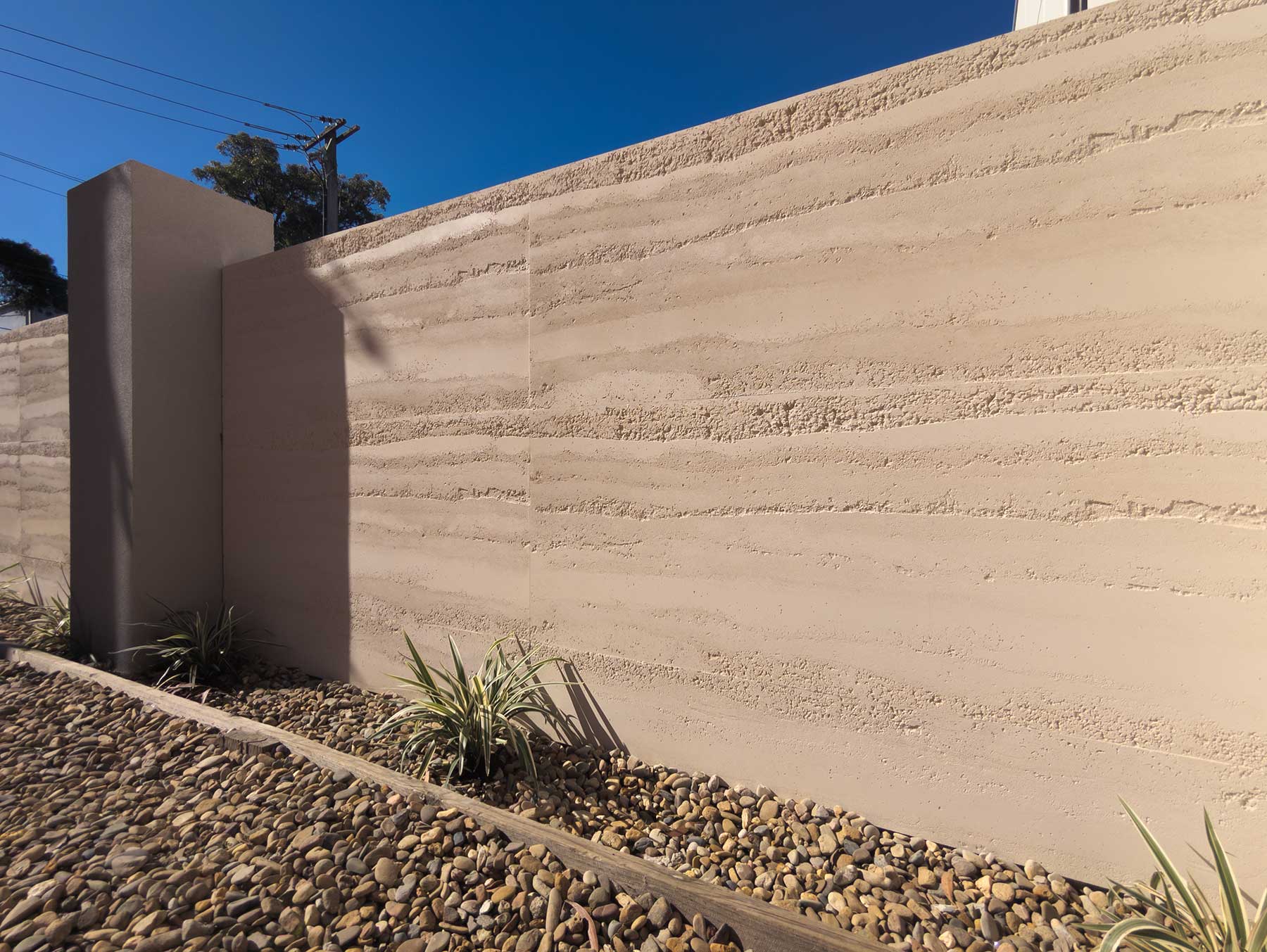
Rammed earth construction provides a practical, low-impact wall system for modern buildings. The method compacts soil, aggregates, and stabilizers into rigid forms that act as both structure and finish. Teams often select this system for its durability, low embodied energy, and long service life. The natural wall surface integrates well with various design directions.
Why Rammed Earth Supports Current Construction Needs
Rammed earth supports energy-conscious design and lower embodied carbon targets. Its mass helps stabilize indoor conditions, and its material simplicity reduces construction layers. This makes it valuable for a wide range of building types, including residential and government-funded projects. The reduced maintenance demand contributes to predictable long-term operation.
Primary Advantages
- The walls provide thermal mass that helps keep indoor temperatures stable
- Local soil can be used, reducing transport distance and emissions
- The material is fire-resistant and withstands weather without chemical treatments
- The wall mass slows heat flow, which can reduce the building’s overall energy use
- Wall thickness and formwork can be adjusted for different design needs
- The dense wall structure limits outside noise from entering indoor areas
- The walls have a long service life and generally need only basic maintenance
Construction Process and Material Behaviour
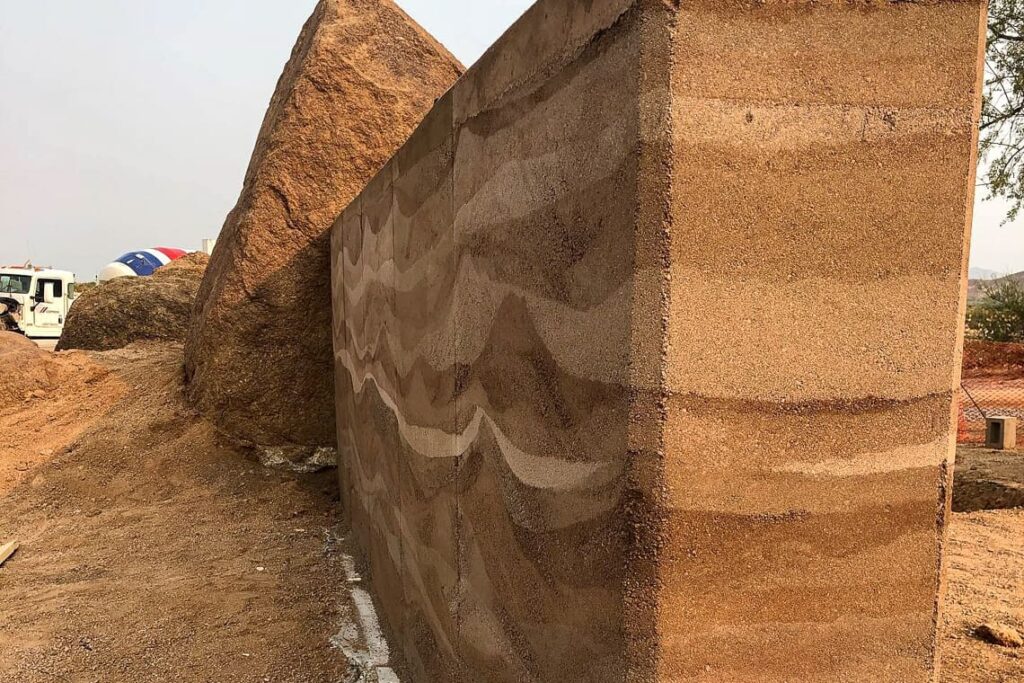
Construction teams set up formwork to hold the soil mix during compaction. Workers place the soil in controlled layers and ram each layer until it reaches the needed density. When they remove the formwork, the wall shows its natural soil bands and texture, so most projects do not need extra coatings. Teams add stabilizers like cement or lime when the design calls for more strength or moisture control. This helps the wall match local climate, engineering needs, and basic regulatory requirements.
Rammed earth aligns well with passive design principles. It supports shading, cross-ventilation, and orientation planning that help lower reliance on mechanical systems. The material also acts as structure and final surface, reducing extra assemblies and simplifying coordination during design and construction.
Design and Performance Considerations
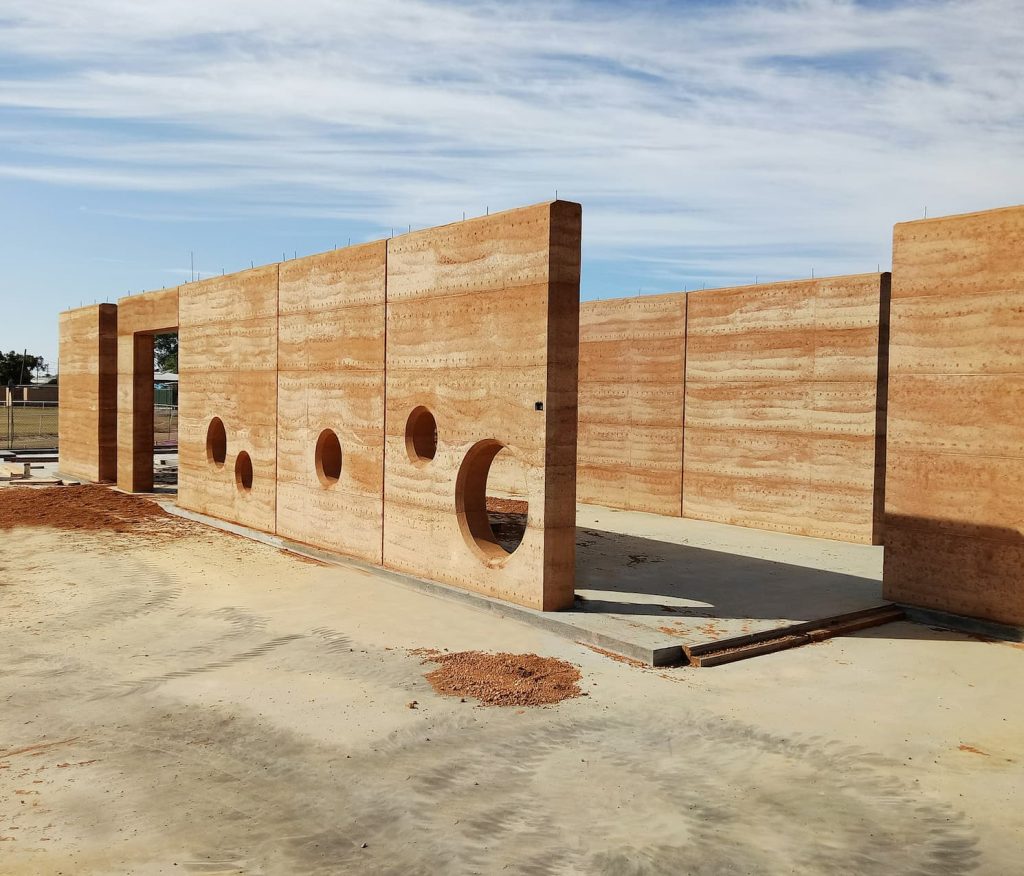
Designing early allows rammed earth walls to incorporate openings, reinforcement, and service routes. The thermal mass maintains stable indoor conditions by storing heat during the day and releasing it slowly. This moderates indoor temperature peaks and improves comfort without continuous mechanical input.
Engineering teams determine wall thickness, soil mix ratios, and stabilizer content based on project requirements. Soil testing ensures that the material meets target compressive strength and erosion resistance. Protection at the base of the wall and proper site drainage support long-term durability.
Important Practical Factors
- Requires soil testing and engineering approval before construction
- Performs best with moisture control measures and proper foundations
- Works effectively in dry and mixed climates, with stabilizers used for humid zones
- Needs skilled compaction to maintain consistency and structural integrity
- Requires early planning for services and openings because modifications are difficult later
- Benefits from overhangs and drainage strategies to protect wall surfaces
Summary
Rammed earth walls deliver stable, low-impact construction that works for many modern building applications. The walls enhance energy efficiency, limit additional material layers, and offer strong thermal regulation. For engineers, architects, consultants, and clients seeking a dependable and environmentally aligned building solution, rammed earth provides a balanced approach that fits both technical and practical project goals.
Image credit: stonini.com, coloradohardscapes.com, arch2o.com