Life as we knew it changed dramatically in March 2020. One of the most noticeable shifts occurred in the workplace. Before 2020, phrases like ‘remote working’ and ‘hybrid working’ were rarely used; however, today, every employee is familiar with them. This shift in general perspective, which arose out of necessity, was critical, and it laid the framework for an even greater development that is taking place in office spaces across India.
People are gradually shifting away from the old practice of signing long-term business leases and towards more adaptive, tech-savvy, and experience-focused alternatives. Flexible workspace branding and managed office solutions (MOS) are crucial to this change. They are the modern catalysts who are reshaping the way property leasing and management will operate in the future.
The Remarkable Growth of Flexible Workspaces in India
The growth of flexible workspaces in India is quite astonishing. Flexible workspaces were formerly thought to be a short-term choice for startups and freelancers, but they have since become a generally recognised method for businesses of all sizes, from small start-ups to multinational organisations. According to industry reports, the Indian flex space market is expected to reach ₹600 crore by FY2027, growing at a CAGR of more than 21%. The total availability of flexible office space is predicted to exceed 125 million square feet by March 2027, as reported by Economic Times. This amazing development is being driven by a combination of cost efficiency, increased demand for hybrid work solutions, and the changing needs of today’s Indian workforce.
Financial Efficiency Is a Key Driver
Financial efficiency is another crucial factor. Traditional office space leasing carries a high upfront cost. These categories include renovations, furniture, technology installations, and routine facility upkeep. Office suppliers can readily occupy this position by offering pre-built solutions that cover a wide range of services. Rent, upkeep, utilities, security, and pantry services are all included in one flat monthly fee. Organisations that value rapid deployment and cost-effectiveness would profit tremendously from this strategy, which allows chief financial officers to convert capital expenditures into predictable operational costs.
Improving the Employee Experience
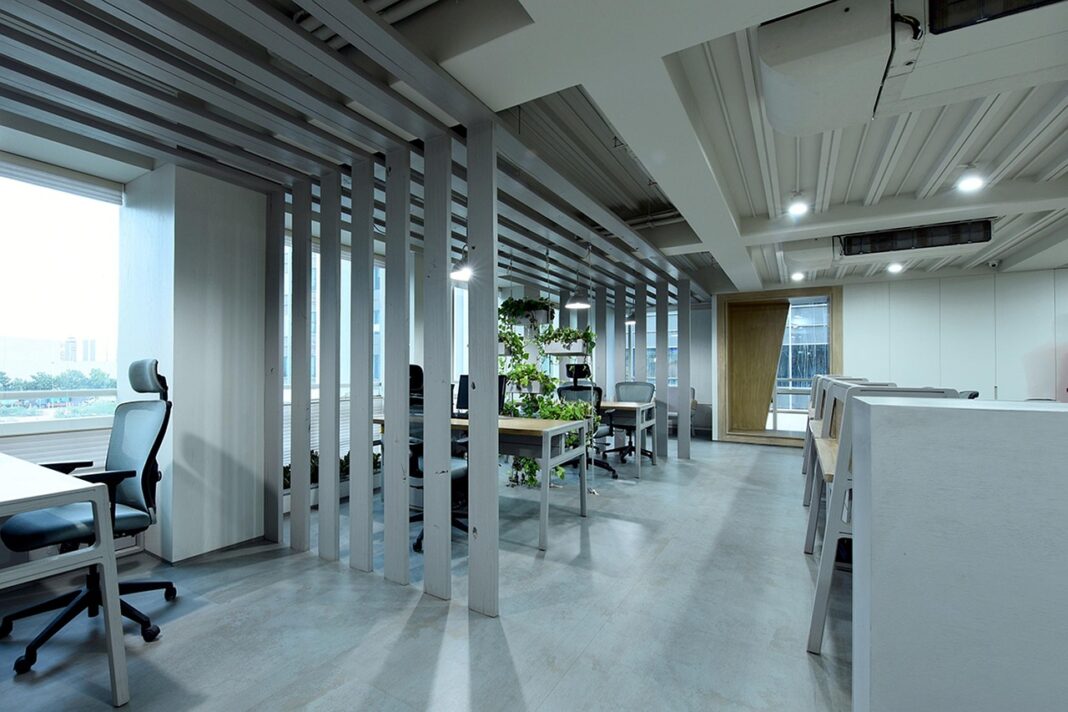
Above all, flexible workspaces are intended to improve the employee experience. As the race to attract and retain talent intensifies, the quality of the workplace becomes increasingly important in shaping company culture and guaranteeing employee satisfaction. Exceptional flexible workspaces include vivid decor, collaborative areas, wellness facilities, comfortable seating, fast internet, smart conference rooms, and even on-site eateries. Compared to standard office spaces, these workspaces offer facilities that contribute to a pleasant and efficient work environment.
The Key Role of Technology
Technology is critical to this shift. Smart technology, artificial intelligence, and cloud solutions that monitor energy use, air quality, space utilisation, and user interactions improve today’s flexible offices. Facial recognition technologies, contactless entry, mobile room booking apps, and real-time analytics have all become ubiquitous. These sophisticated solutions improve not just user comfort, but also operational efficiency and environmental friendliness. Numerous venues integrate sustainable designs, such as solar panels, EV charging stations, green materials, and rainwater collection, reflecting Indian corporations’ growing emphasis on ESG (Environmental, Social, and Governance) aims.
A Brighter Future for Flexible Workspaces
The future appears promising. As businesses embrace remote teams and focus on digital operations, the demand for adaptable and flexible office spaces is projected to increase. CBRE estimates that by 2025, flexible environments will account for 30-45% of overall office leasing activity in India. AI-driven technologies will adapt workspaces to individual preferences, while smart buildings will automatically regulate temperature, lighting, and cleaning schedules.
Sustainability: A Growing Imperative
Along with the advancement of new technologies, people are becoming more aware of environmental issues, which is why sustainability will be an important consideration in future leasing decisions. An increasing number of Indian businesses, particularly multinational enterprises and IT leaders, are looking at energy-efficient structures, WELL certifications, and environmentally friendly facilities. This tendency will inspire flex space operators to innovate wisely, raising industry standards overall.
Flexible workspaces, which were long thought to be a fleeting fad, are redefining the face of modern workplaces as they represent the future of office leasing and management in India. They offer a strong combination of adaptability, innovation, sustainability, and competence that fits perfectly with the changing needs of modern businesses. As India’s corporate landscape evolves, the demand for managed office solutions will undoubtedly grow, converting the commercial real estate sector into one that is more intelligent, efficient, and focused on humans rather than buildings.
Authored By; Mr. Sreenivas Tirdhala, Co-Founder & Chief Strategy Officer, iSprout