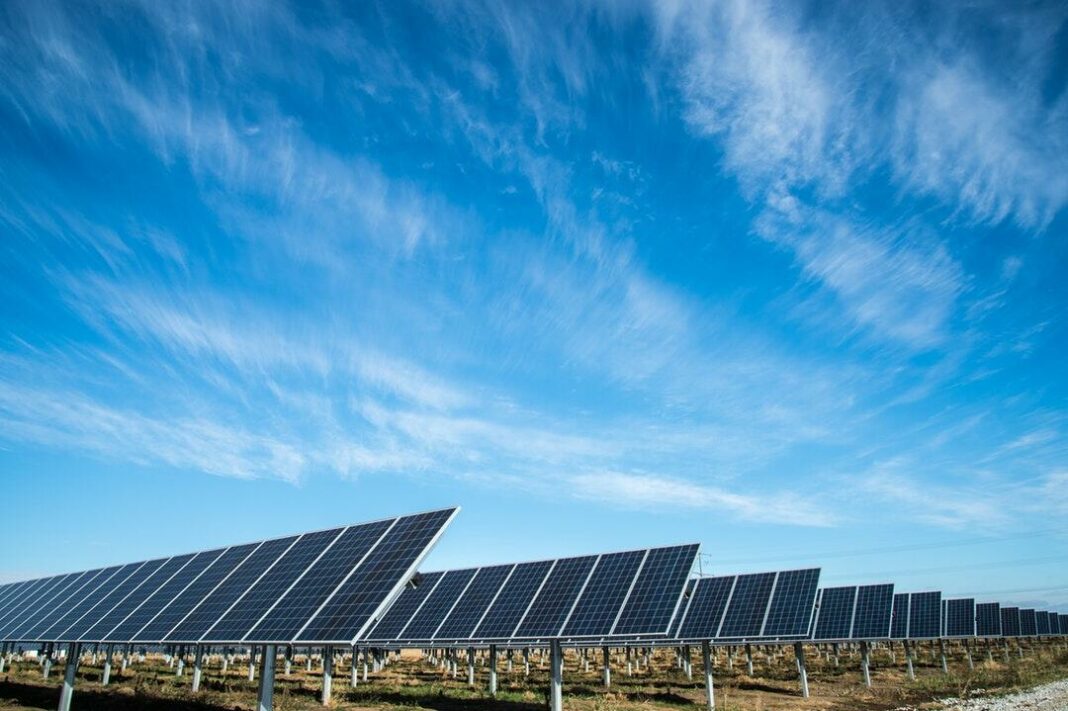
Switching to solar in commercial buildings is a smart way to cut costs and boost energy efficiency. Many businesses are now exploring this clean energy option to reduce their carbon footprint.
But before you start, it’s important to understand the key factors that influence a successful solar setup. A well-planned system can deliver long-term savings and better building performance.
This article highlights essential considerations to help guide your solar journey. From roof condition to permits and maintenance, each point plays a role.
Read on to learn what to keep in mind when implementing solar in commercial buildings.
Assessing Your Building’s Solar Potential
Before anything else, you need to check if your building is fit for solar panels. Look at your roof’s size, angle, and exposure to sunlight. Shade from trees or nearby structures can limit energy production.
You may also consider using open land if your rooftop is not suitable. A solar expert can help evaluate your site for the best energy output. Understanding how much sunlight your property gets is key to planning your system.
Buildings in areas with more sunlight will naturally benefit more. Consider weather patterns and roof material as well. Knowing your building’s limitations early prevents costly surprises later.
Understanding Energy Needs and Goals
Knowing how much energy your building uses helps you choose the right solar system. Look at your electricity bills from the past year to find trends. A detailed look at peak usage times will guide system size and battery needs. Decide if you want to offset all or just part of your energy use.
Clear goals make it easier to design a system that meets your needs. If you plan to expand operations, future energy needs should also be considered. A system that’s too small may fall short, while one too large may be costly.
Think about energy use during nights or cloudy days too. You can also explore storing extra energy with battery backups. Defining your goals early ensures a better return on your investment.
Budgeting for the Entire Project
Solar power can be a big investment, so setting a budget is important. Include costs for design, equipment, labor, permits, and inspections. Ongoing maintenance should also be part of your cost plan. Check if financial incentives or tax benefits apply in your area.
Some businesses also qualify for solar grants or low-interest financing. Think long-term when weighing the cost against future savings. It might take a few years to break even, depending on your energy usage.
Talk to a financial advisor or solar consultant about your options. A clear budget helps avoid delays and unexpected expenses.
Choosing the Right Solar Technology
There are different kinds of solar panels and systems available. Some are more efficient than others but may cost more. Consider how much energy you need versus how much space you have. Some systems allow you to track energy production in real time.
Others may come with better warranties or lower maintenance needs. Your installer should explain which technology fits your building best. Also ask about panel durability, especially if your area has harsh weather.
Make sure your technology choice meets your goals and fits your budget. The right system can provide reliable energy for years.
Getting Permits and Meeting Regulations
Before installing solar, check your local building and zoning laws. Permits are often required, and rules vary by city or state. Some areas may limit how panels can be installed or where they can go.
Commercial properties often face more rules than homes. Your installer should help with the paperwork and approval process. Meeting all codes ensures safety and avoids fines.
You may also need to pass inspections before using your system. Understand all legal steps before you start. This avoids delays once construction begins.
Selecting a Qualified Installer
Working with a skilled and licensed installer makes the process easier. Look for teams with experience in commercial solar projects. Ask for examples of past installations and client feedback.
A good installer will explain your options clearly. They should also handle permits, design, and utility coordination. Communication is key, so choose someone who responds promptly.
Ask how they handle problems or delays. Make sure they are insured and offer a warranty on their work. A trustworthy installer is vital for a smooth project.
Evaluating Roof Structure and Condition
Your roof must be strong enough to hold solar panels. Older roofs may need repairs or replacement first. Ask an expert to inspect the roof before starting your solar project. This avoids damage and costly repairs later.
Panels add weight and need solid support. If your roof won’t last as long as your solar system, replacement now may save time. Flat and angled roofs each have different mounting needs.
Consider waterproofing and drainage as well. A strong roof helps protect your solar investment.
Connecting to the Grid
Most commercial solar systems are connected to the local power grid. This allows you to draw power when needed and send extra energy back. Grid connection requires approval from your utility company. Your installer should coordinate this process.
Rules for grid-tied systems can vary by region. In some cases, you may need to upgrade your electrical panel. Ask about how excess energy will be credited to your account. A smooth connection to the grid ensures full system benefits. Timely coordination helps avoid delays.
Planning for Maintenance and Monitoring
Solar systems need regular checks to work their best. Dust, dirt, or debris can lower efficiency. Plan for inspections at least once or twice a year. Some systems include remote monitoring tools.
These tools show how much energy you’re producing daily. You’ll notice problems faster with good monitoring. Choose a service plan that fits your needs and budget. Maintenance may include cleaning, software updates, or repairs. A well-maintained system performs better over time.
Know What to Consider When Implementing Solar in Commercial Buildings
Switching to solar in a commercial space takes planning, but the rewards are real. From cutting energy costs to making your property more appealing, each step brings value.
By understanding these key points, you’ll be better prepared to make smart decisions. Whether you’re just starting out or ready to begin the installation, being informed is your best tool. Solar isn’t just a trend-it’s a step toward long-term efficiency and sustainability.
Keep browsing – our blog has more to offer.