Concrete compaction tools are used to consolidate freshly poured concrete by eliminating trapped air and excess water, ensuring the concrete mix settles uniformly and achieves its designed strength and durability. These tools vary from simple manual immersion pokers to sophisticated mechanized surface vibrators and external vibrators, each designed to suit specific concrete placement conditions and structural elements. By applying controlled vibration, these tools improve the density of concrete, reduce voids, and enhance bonding with reinforcement, which ultimately results in stronger, more durable, and longer-lasting concrete structures.
Components of Concrete Compaction Tools
Common components found across various compaction tools include:
- Vibrating Element: Usually a motor-driven vibrator head, poker, or plate that transmits vibrations into the concrete mass.
- Motor or Power Source: Electric, petrol, diesel, or pneumatic motors power the vibrating element.
- Shaft and Handle: For hand-held tools, the shaft connects the motor to the vibrating head and provides a grip for the operator.
- Frame/Base Plate: In surface compactors, the vibrating plate itself acts as the contact surface transmitting vibrations.
- Control Unit: Some modern tools include variable frequency or amplitude controllers to adjust vibration intensity.
Applications of Concrete Compaction Tools
- Foundations, footings, and pile caps in building construction.
- Columns, beams, and structural walls require thorough consolidation.
- Concrete slabs and floors for industrial buildings, warehouses, and pavements.
- Precast concrete products such as blocks, pipes, and panels.
- Roadways, airport runways, and bridge decks needing uniform compaction.
- Dams, retaining walls, and other large infrastructure projects.
- Decorative concrete surfaces where smooth finishes are essential.
- Confined or complex formworks with dense reinforcement.
- Repair and rehabilitation projects requiring precise concrete placement.
- Water-retaining structures where impermeability is pivotal.
Advantages of Concrete Compaction Tools
- Removes air pockets and reduces voids within the concrete mix.
- Enhances concrete density, leading to higher compressive strength.
- Improves bonding between concrete and reinforcing steel.
- Reduces risk of honeycombing and surface defects.
- Increases durability by lowering permeability to water and chemicals.
- Produces a smoother, more uniform surface finish.
- Minimizes shrinkage cracks and structural weaknesses.
- Speeds up construction by improving concrete workability.
Types of Concrete Compaction Tools
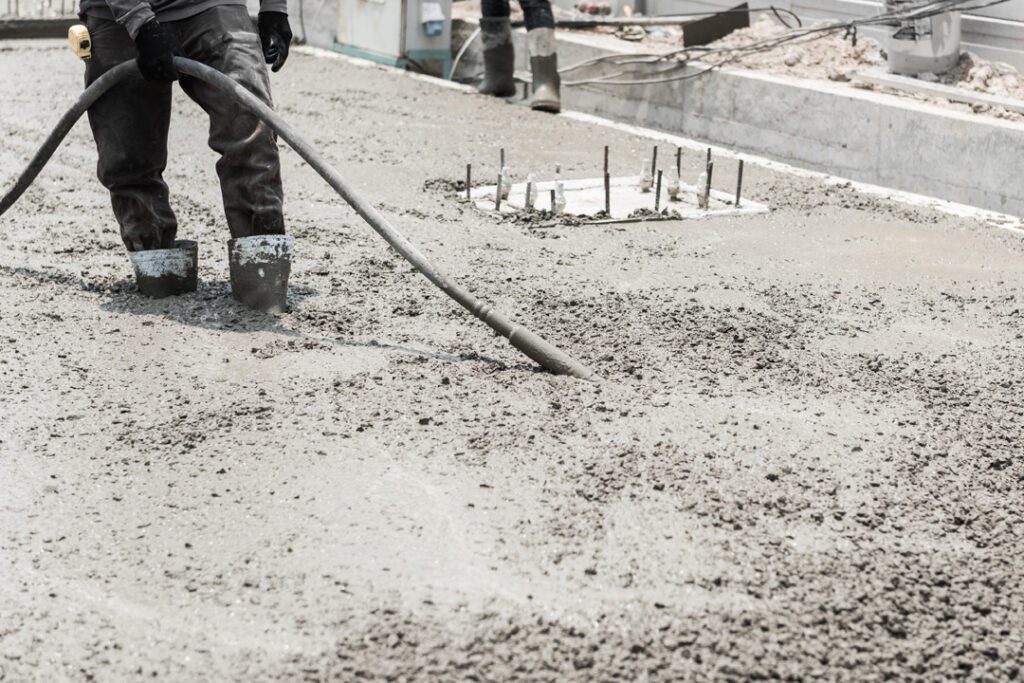
- Internal (Immersion) Vibrators– Internal vibrators, often called pokers, are the most common tools used for compacting concrete. They work by being inserted directly into freshly poured concrete, where the vibrations help the mixture settle evenly and remove trapped air. This type of compaction tool is versatile and widely used on construction sites for structural elements like columns, beams, walls, and slabs. Operators carefully insert and withdraw the vibrator to ensure the concrete is properly consolidated without creating voids.
- External Vibrators– External vibrators are attached to the outside of concrete forms or molds rather than being placed inside the concrete itself. These tools transfer vibrations through the formwork to the concrete, helping it to settle and consolidate in areas where it might be difficult or unsafe to insert an internal vibrator. They are especially useful in precast concrete work or when working with thin or heavily reinforced sections.
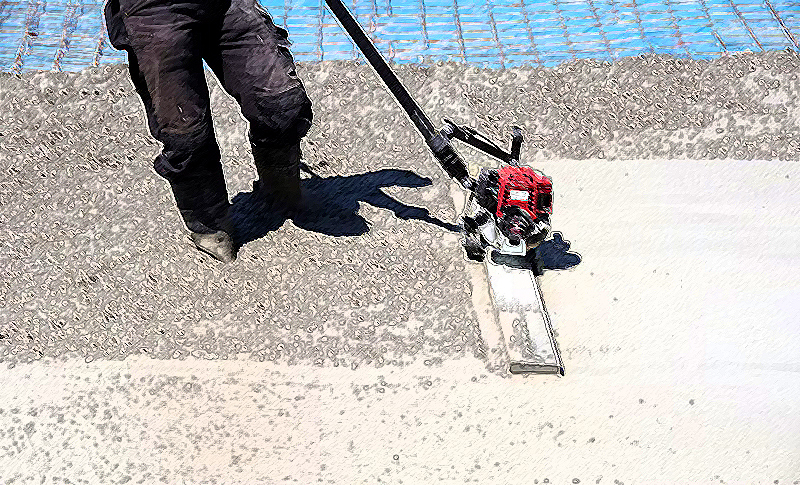
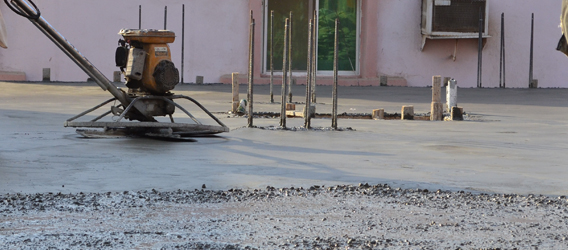
- Surface Vibrators– Surface vibrators are walk-behind machines designed to compact concrete from above. They have a vibrating plate that glides over the freshly poured surface to eliminate air pockets near the top layer. These machines are commonly used for large, flat surfaces such as floors, pavements, and slabs, where internal vibration isn’t practical for the entire area. Their use helps achieve a smooth and dense surface finish.
- Table Vibrators– Table vibrators are specialized tools mostly found in precast concrete manufacturing plants. They consolidate concrete by vibrating the molds or tables on which concrete elements like blocks, tiles, or slabs are cast. The vibration ensures that the concrete settles evenly inside the mold, producing consistent and defect-free products.
- Needle Vibrators– Needle vibrators are a form of internal vibrator, but they are specifically designed with a long, slender vibrating head that resembles a needle. This design allows them to reach deep into narrow or complex sections of concrete, such as in columns or heavily reinforced structures. Their slender shape enables operators to compact concrete in areas that are difficult to access with standard-sized pokers, making them especially useful for intricate formwork or tight spaces.
- Flat Surface Vibrators (Screed Vibrators)– Flat surface vibrators, sometimes called screed vibrators, are attached to the screed used to level concrete slabs. As the screed moves over the concrete surface, the vibrator helps consolidate the concrete and simultaneously smooth the top layer. This dual action improves both the density and finish of the slab, making these tools popular for road construction and large floor slabs where a consistent level and texture are essential.
- Vacuum De-aerators– Vacuum de-aerators are specialized surface compaction tools that work by removing air bubbles trapped near the concrete surface. Unlike vibrators that consolidate by shaking the mix, these machines create a vacuum that extracts air, helping to produce dense and smooth concrete surfaces. They are often used in the finishing stages for floors and pavements to achieve a high-quality surface with fewer imperfections.
- Poker Vibrator with Variable Frequency– These advanced internal vibrators allow the operator to adjust the vibration frequency and intensity. This flexibility makes them adaptable to different concrete mixes and placement conditions, optimizing compaction without risking segregation or over-vibration. Variable frequency pokers are preferred on sites where mix properties change frequently or where precision compaction is required.

Selection Criteria for Concrete Compaction Tools
- Project Size: Small residential projects may use hand pokers; large-scale projects require mechanized or surface vibrators.
- Concrete Consistency: Stiff mixes need powerful vibrators; high-slump mixes may require less intensity.
- Access & Space: Confined areas require small-diameter pokers or external vibrators.
- Power Availability: Electric vibrators for indoor; petrol/diesel units for outdoor or remote sites.
- Operator Skill: Mechanized tool requires trained personnel.
- Budget: Balance investment cost against labor savings and compaction quality.
Conclusion
Effective concrete compaction plays a major role in achieving strength, uniformity, and durability in any structure. Selecting tools suited to the project and using them correctly ensures air pockets are eliminated, surfaces are even, and the concrete performs well over time. Consistent maintenance of tools further supports quality results and reduces the risk of defects.