

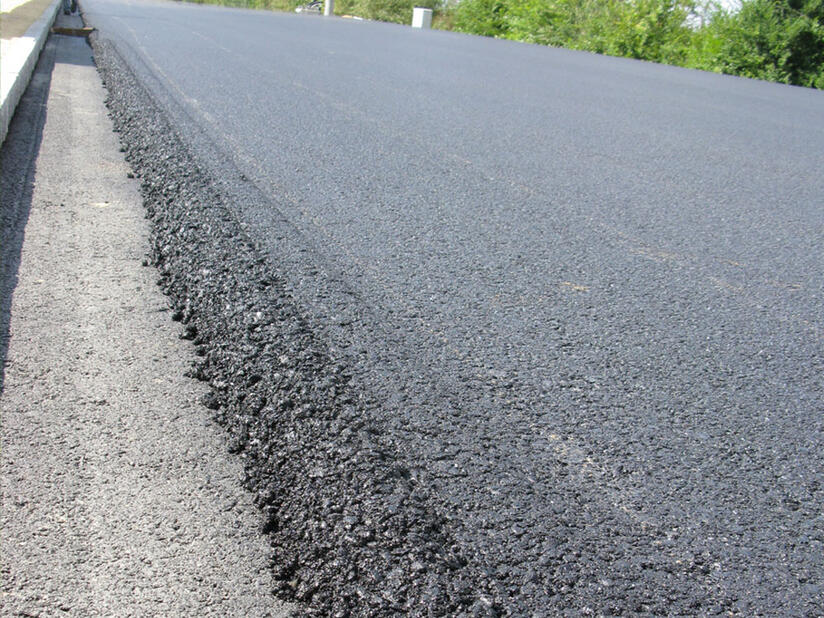
Stone Mastic Asphalt (SMA) is a gap-graded asphalt mix used to carry heavy traffic while maintaining surface durability. Engineers and road authorities specify SMA for highways, urban arterial roads, flyovers, and industrial access roads where rutting resistance and service life take priority over initial cost. Unlike dense bituminous mixes, SMA depends on stone-to-stone contact to transfer traffic loads through the aggregate skeleton.
SMA uses a higher proportion of coarse aggregates along with modified bitumen, mineral filler, and stabilizing additives such as cellulose or mineral fibers. This combination limits binder drain-down and helps achieve consistent coating during mixing and laying.
SMA Production Process
Stone Mastic Asphalt production follows standard asphalt plant operations but needs closer control over materials and temperature. Engineers monitor aggregate gradation, binder content, and fiber dosage at each stage of the cycle.
Key stages in the SMA production process include:
- Aggregate selection & grading
Coarse aggregates form the load-bearing structure. Crushing and screening produce material within SMA gradation limits to maintain stone-to-stone contact. - Aggregate heating
Rotary dryers remove moisture from aggregates. Operators control temperature to limit binder aging and protect stabilizing fibers. - Bitumen & additive blending
Plants introduce polymer-modified bitumen with stabilizing fibers. Fibers absorb excess binder and reduce drain-down during mixing and transport. - Controlled mixing
High-shear mixing distributes fibers, filler, and bitumen evenly across the aggregate matrix. - Quality checks before dispatch
Teams verify mix temperature, coating uniformity, and consistency before loading the material into insulated trucks.
This controlled production method supports durability, surface stability, and longer maintenance intervals.
Equipment Used for Stone Mastic Asphalt
SMA production and laying require asphalt equipment that can handle higher binder content and stabilizing additives without causing segregation.
Common equipment used in SMA projects includes:
- Batch or drum mix asphalt plants
Plants must support fiber dosing and precise bitumen control. Batch plants allow closer mix control, while drum plants suit continuous, high-volume work. - Fiber feeding units
Automated feeders add cellulose or mineral fibers into the mixer at a controlled rate. - Bitumen storage and heating systems
Modified bitumen tanks with agitation maintain stable temperature and viscosity. - Insulated transport vehicles
Thermally insulated trucks limit temperature loss during haulage and reduce premature stiffening. - Sensor-controlled pavers
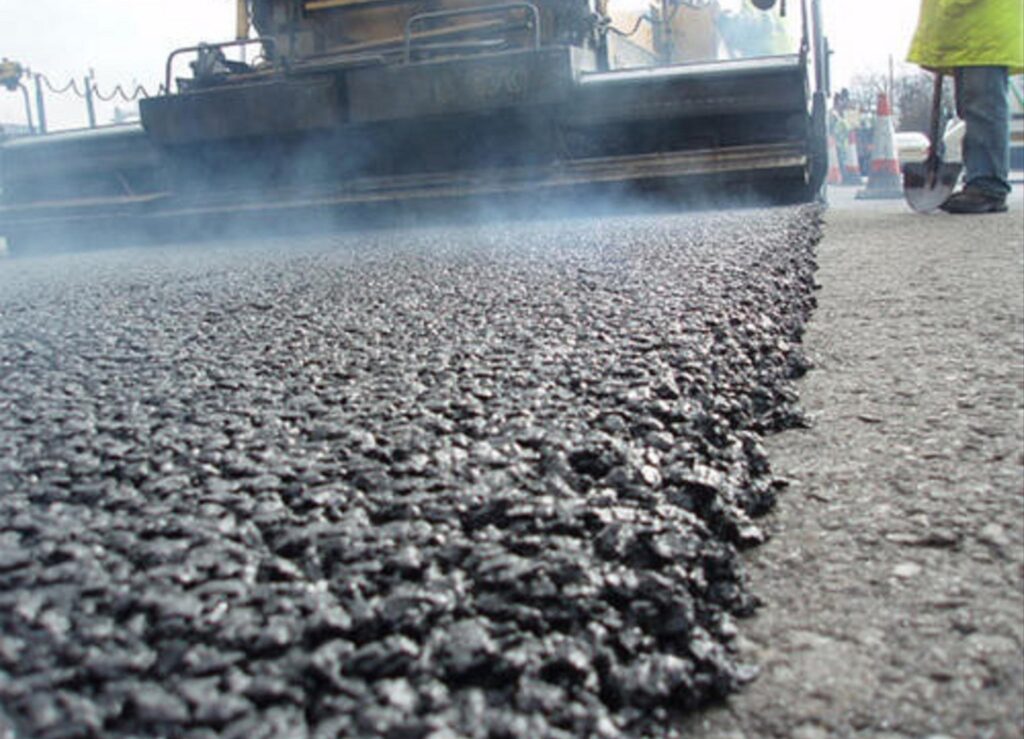
Pavers maintain uniform layer thickness and surface texture, especially on high-speed road sections. - Steel-wheel and pneumatic rollers
Compaction equipment achieves required density without damaging the aggregate structure.
Practical Considerations for Engineers and Authorities
SMA performance depends on site execution as much as material selection. Field teams need coordination between plant production, paving rate, and compaction timing.
Key considerations during SMA construction include:
- Maintain stable production temperature to limit segregation
- Avoid over-compaction, as it damages aggregate interlock
- Use trial stretches to fix rolling patterns and roller sequence
- Monitor binder drain-down during early production runs
- Assign trained operators for fiber dosing systems
Authorities select SMA mainly for life-cycle cost performance. Although initial costs exceed conventional bituminous concrete, SMA limits rutting, cracking, and surface polishing over time.
Where SMA Fits Best
Stone Mastic Asphalt is used on road sections that carry heavy axle loads and see repeated braking under slow traffic conditions. These include junction approaches, bus corridors, toll plazas, and expressway stretches exposed to high surface stress, especially in hot weather.
For consultants and project engineers, knowing how SMA is produced and laid helps during specification drafting and contractor review, and reduces performance issues after construction.

