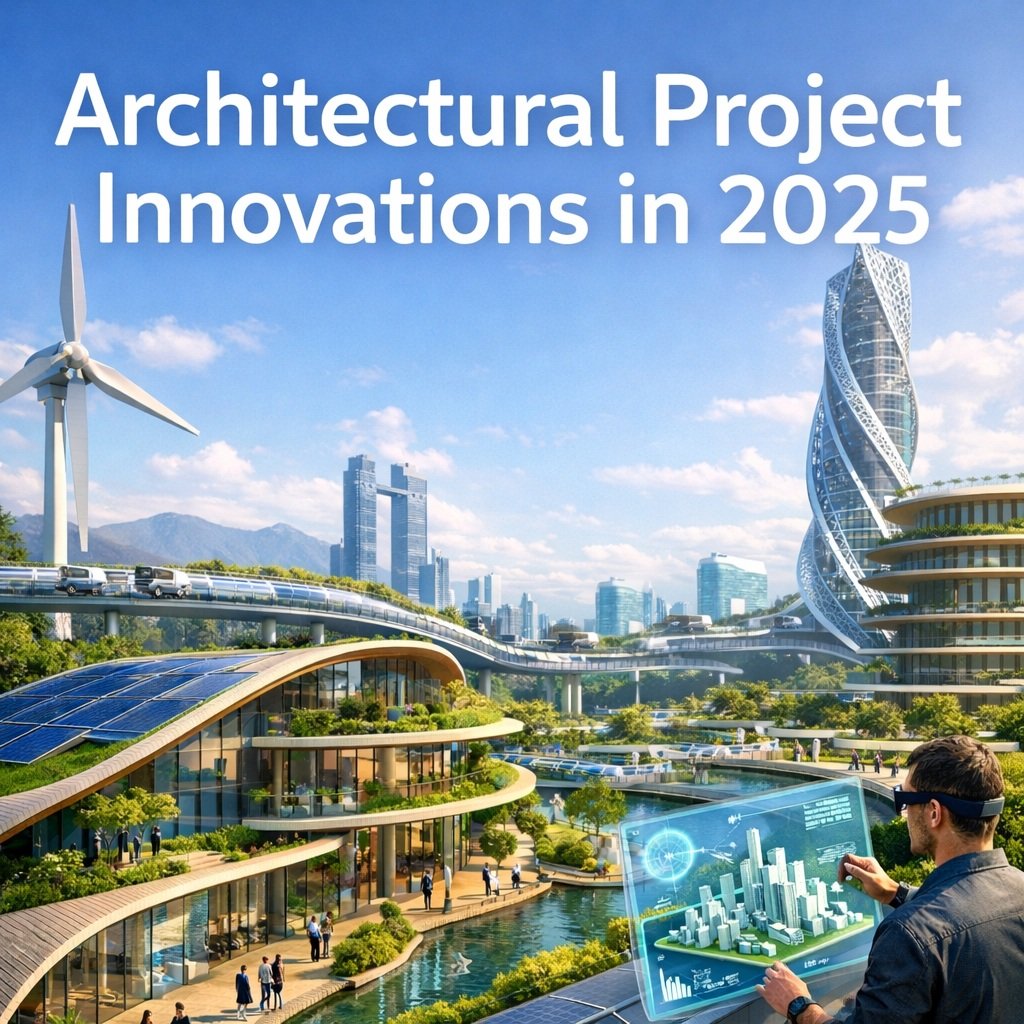
Architectural projects completed or advanced in 2025 show a shift toward practical innovation rather than visual impact alone. Many designs focus on energy use, material efficiency, climate response, and long-term public function. Architects and planning authorities address urban density, environmental limits, and changing user needs through measured design strategies. These projects can be grouped into clear types based on how they approach planning, construction, and use.
1. Sustainable & Biophilic Architecture
Buildings in 2025 aim to be environmentally responsible. Architects guide design with natural light, airflow, and landscape integration. Using materials like timber and earth supports low-carbon construction while enhancing user experience.
Key Features
- Buildings use passive cooling and daylight-focused layouts.
- Landscapes connect directly with building forms.
- Materials include timber, earth, and other low-carbon options.
Notable Projects
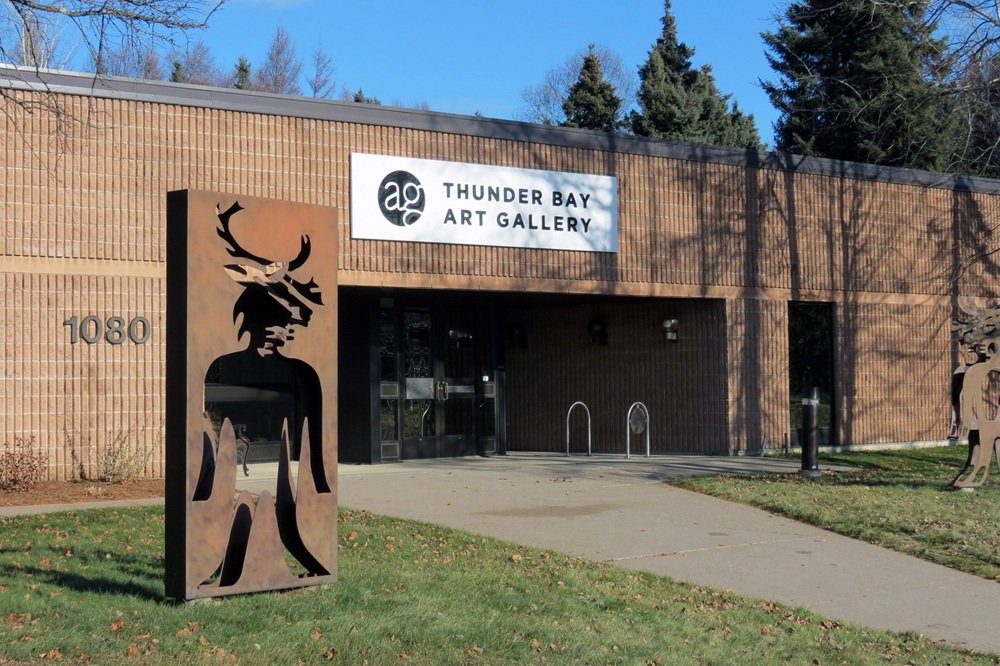
- Thunder Bay Art Gallery, Canada – Galleries respond to local climate conditions.
- Wadden Sea Centre, Denmark – Located within an ecologically sensitive zone.
- Expo 2025 Grand Ring, Osaka – A large public structure built primarily with timber.
2. Net-Zero and Energy-Positive Buildings
Net-zero buildings balance energy use by combining efficiency and renewable technology. Architects reduce energy demand first, then add solar and other on-site generation. Governments and institutions implement this at scale.
Key features:
- High-performance building envelopes that limit heat loss and gain
- Solar and renewable energy systems to supply most or all of the building’s energy needs
- Continuous energy monitoring to optimize performance during operation
Notable projects:
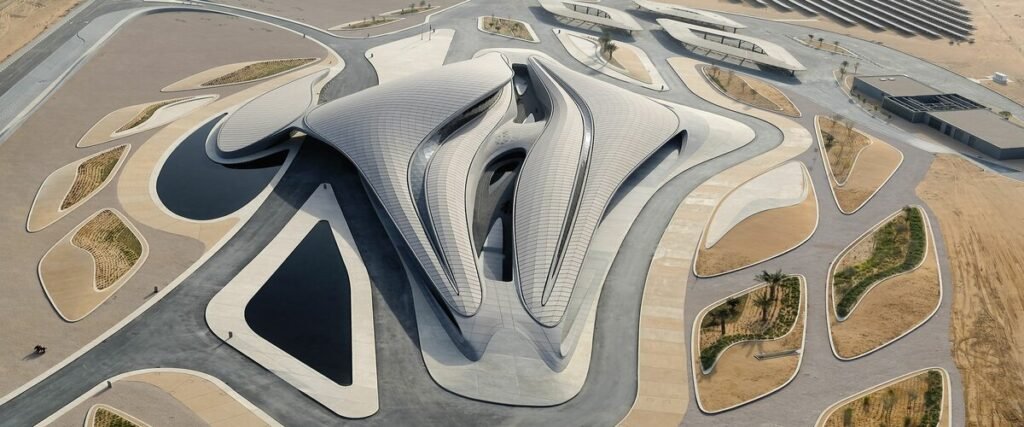
- BEEAH Headquarters, Sharjah (UAE): Combines passive architectural design with AI-managed energy systems
- The Line, NEOM (Saudi Arabia): A city-scale net-zero development demonstrating large-scale energy-positive planning
- Central Vista – Kartavya Bhavan & Common Central Secretariat, New Delhi (India): Institutional architecture designed for climate responsiveness and sustainability
3. Adaptive Reuse & Heritage Transformation
Adaptive reuse remains important in 2025. Architects transform older buildings into modern, functional spaces while keeping their structural and cultural value. This method reduces construction waste and lowers carbon impact.
Key features:
- Preserve main structural elements to maintain stability and heritage
- Adapt interiors for new functions without altering the building’s core
- Use fewer new materials by upgrading and repurposing existing components
Notable examples:
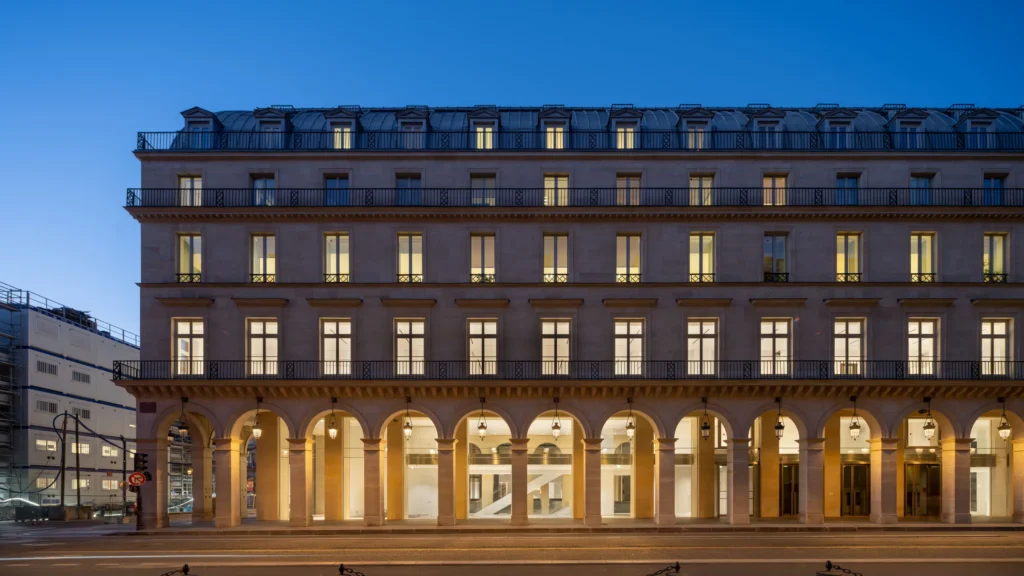
- Fondation Cartier, Paris: Converts a historic building into a contemporary gallery
- New Museum Expansion, New York: Extends an existing cultural institution with minimal demolition
- Industrial heritage conversions across Europe: Transform former industrial sites into public or mixed-use spaces
4. Smart & Technology-Integrated Architecture
In 2025, smart buildings integrate technology into daily operations without dominating the design visually. Architects use digital systems to improve efficiency, safety, and user comfort while supporting smooth building management and maintenance.
Key aspects:
- IoT-based systems for lighting, climate, and energy control
- Data-driven planning to optimize space and workflow
- Digital tools for design, operation, and long-term maintenance
Notable projects:
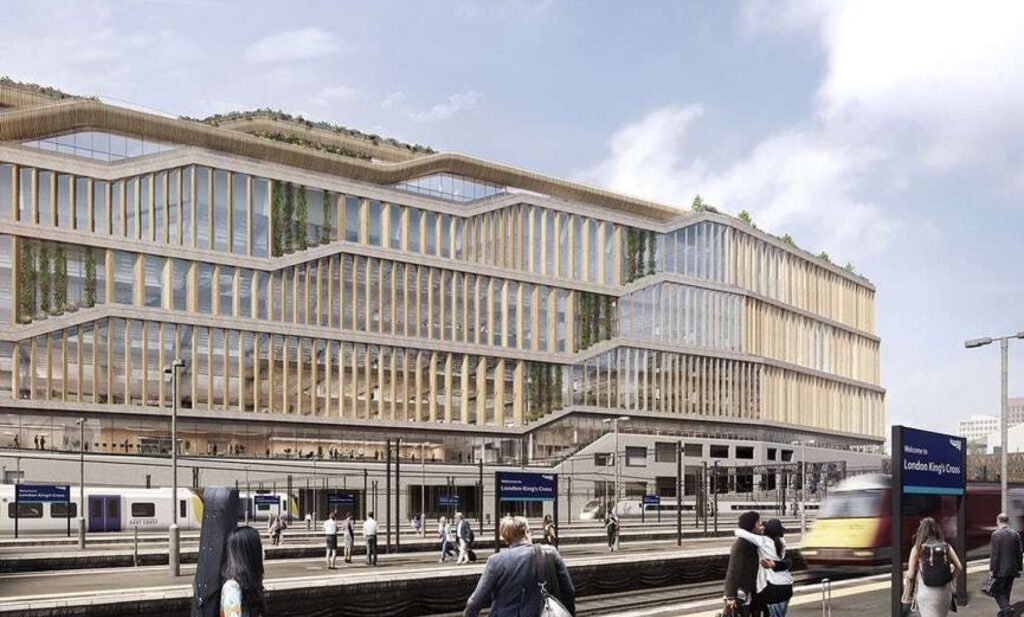
- Google King’s Cross, London: Uses data-informed strategies for workplace planning
- Sphere, Las Vegas: Combines architecture with digital media systems
- Next-generation international airports in Asia: Employ AI for passenger flow management and energy efficiency
5. Modular & Prefabricated Construction
Modular construction gains traction in 2025 for faster delivery and efficient use of resources. Prefabrication allows healthcare, institutional, and residential projects meet strict timelines and quality standards.
Primary advantages:
- Shorter construction timelines through off-site assembly
- Consistent quality from factory-controlled processes
- Less on-site waste and material handling
Representative projects:
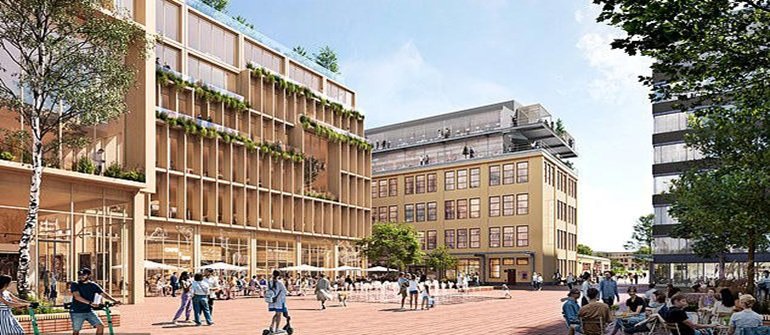
- Wood City, Stockholm: Large-scale timber-based modular development
- Maggie’s Centres, UK: Prefabricated healthcare buildings designed for efficiency and adaptability
6. Cultural & Community-Oriented Architecture
In 2025, civic and cultural buildings focus on social function, accessibility, and everyday use. Architects design these spaces as public assets that reflect local identity and respond to community needs rather than aiming for iconic forms.
Defining priorities:
- Engage communities in planning and design processes
- Reflect local culture and traditions in architecture
- Provide inclusive public spaces for social and cultural activities
Key examples:
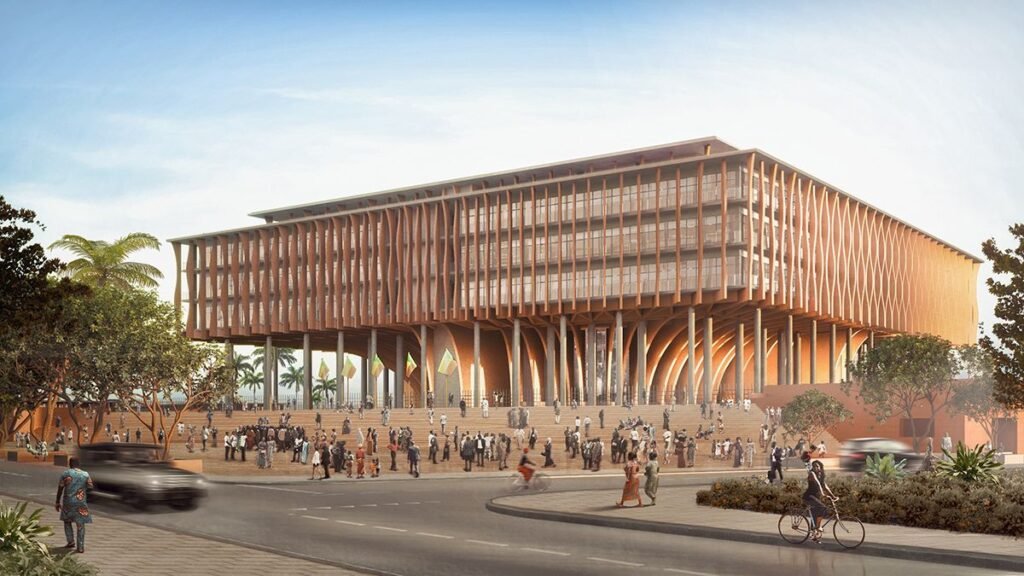
- Benin National Assembly, Benin: Designed around traditional gathering concepts
- Thunder Bay Art Gallery, Canada: Developed through Indigenous consultation
- Public cultural institutions across India: Focus on climate-responsive design and social access
Conclusion: Practical Innovation in 2025 Architecture
In 2025, architectural innovation takes a practical approach. Functionality and enduring relevance guide buildings across sustainability, energy efficiency, adaptive reuse, modular approaches, and civic design. Along with other global projects, New Delhi’s Central Vista shows that architects prioritize user experience, performance, and accountability above cosmetic form.