
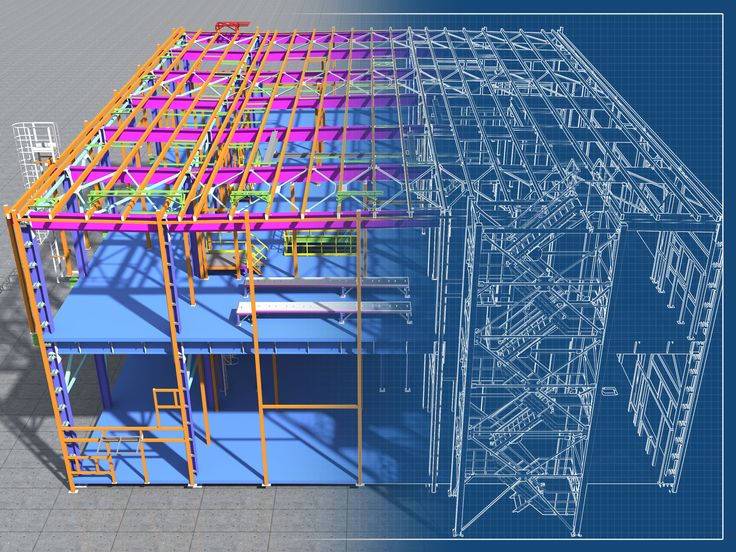

Earthquakes remain one of the most destructive natural hazards, capable of causing sudden and widespread structural failure. As urban development intensifies and high rise construction grows, designing buildings to withstand seismic forces has become a priority for structural engineers worldwide. Modern construction design methods focus not on making buildings “earthquake proof,” an unrealistic target, but on making them earthquake resistant, ensuring structures can absorb seismic energy, remain stable, protect occupants, and avoid catastrophic collapse.
Understanding Earthquake Forces:
During an earthquake, the ground shakes horizontally and vertically, generating lateral forces far greater than what a building experiences under normal loading. The structure must be capable of transferring these forces safely into the foundation and subsequently into the ground. The primary objective is to control deformation, prevent progressive failure, and provide adequate escape time for occupants even if the building becomes damaged.

Stronger Materials and Thoughtful Load Paths:
A fundamental aspect of earthquake resistant design is ensuring a continuous and predictable load path. Every structural element from beams and slabs to columns, shear walls, and foundations must be interconnected so that seismic forces travel smoothly into the ground without creating weak points. Reinforced concrete and structural steel remain the primary materials of choice due to their strength, ductility, and ability to deform without sudden failure. High strength steel reinforcements, fiber reinforced concrete (FRC), and innovative materials such as engineered cementitious composites (ECC) are increasingly used to enhance the energy absorption capability of structures
Importance of Ductility:
Ductility the ability of a structure to deform without breaking is central to modern seismic design. Buildings are deliberately designed to yield in a controlled and predictable manner rather than collapse abruptly. Structural elements such as beams and columns are detailed to undergo bending, rotation, and elongation during shaking. Current seismic codes emphasize the “strong column weak beam” philosophy, where beams yield before columns, preventing a story level collapse. This controlled damage mechanism ensures that even if local elements fail, the overall building remains standing long enough for safe evacuation
Shear Walls and Lateral Load-Resisting Systems:
While beams and columns carry vertical gravity loads, dedicated systems are required to resist horizontal forces. Common lateral load-resisting systems include:
- • Shear Walls: Large, reinforced concrete walls positioned to reduce lateral drift and absorb seismic forces.
- • Braced Frames: Steel or concrete diagonal bracing systems that improve stiffness and stability.
- • Moment Resisting Frames: Beam-column systems with rigid joints that permit rotation while sustaining high lateral loads.
These systems provide redundancy, ensuring the building remains stable even if individual elements yield during an earthquake.
Base Isolation Systems:
One of the most advanced strategies in seismic engineering is base isolation, where elastomeric or friction pendulum bearings are installed between the structure and its foundation. Instead of fighting the earthquake forces, the system allows the building to move independently from the ground.
This significantly reduces the lateral acceleration transmitted to the superstructure, minimizing damage and helping important facilities such as hospitals and emergency service buildings continue functioning after a strong seismic event.

Base Isolation with Bearings and Dampers:
Modern isolation systems often combine bearings and dampers for enhanced performance.
Bearings, such as lead rubber bearings or friction pendulum bearings, are installed at the base of a building to allow controlled horizontal movement. By shifting the building’s natural frequency, they greatly reduce seismic forces reaching the columns, beams, and floors above.
However, movement alone does not eliminate seismic energy. This is where dampers come into play. Dampers such as viscous, metallic yielding, or friction dampers absorb and dissipate seismic energy by converting motion into heat or controlled deformation.
Used together, bearings and dampers form a complete seismic isolation system, allowing the structure to sway safely while reducing damaging forces. This significantly improves performance without adding substantial mass or stiffness and is widely adopted in buildings requiring uninterrupted functionality after earthquakes
Foundation Design and Soil Considerations:
Even the most advanced structural system can fail if the underlying soil liquefies or settles unevenly. Proper geotechnical investigations, soil stabilization, and appropriate foundation systems such as deep piles, mat foundations, or improved soil are essential to ensure the ground can reliably support seismic loads. Techniques like compaction, grouting, or stone columns help mitigate risks such as differential settlement or liquefaction.
Modern Codes and Performance Based Design:
Today’s seismic codes have moved away from a one-size-fits-all approach. Performance-based design evaluates how a building is expected to behave under various earthquake intensities. Engineers can target specific outcomes such as:
- Immediate occupancy
- Life safety
- Collapse prevention
This ensures the structural response aligns with the building’s purpose, risk category, and importance.
Conclusion:
Earthquake resistant design is a blend of engineering science, material innovation, and strategic detailing. By emphasizing ductility, redundancy, advanced isolation systems, damping mechanisms, and site-specific soil considerations, modern construction dramatically improves the ability of buildings to survive seismic events. These advancements not only safeguard infrastructure but also protect human life making earthquake resistant design a cornerstone of safe and resilient urban development.
About Author
The author is a seasoned structural engineer with over two decades of experience in designing and supervising more than 300 projects across India. An M.S. in Structures from IISc Bangalore and a Chartered Engineer accredited by the Institution of Engineers (India), he is known for his commitment to value engineering, design ethics, and constructibility. Under his leadership, Perceptive Ideas has delivered landmark developments including JW Marriott Resorts, Aurika Hotels, AIIMS Faridabad, Taj Amer – Jaipur, and Waterfall Residences by Krisumi. A published researcher with papers in ASCE and RILEM, Mr. Gupta is empanelled with key government bodies such as MCD, Haryana TCP, and APCRDA, and works closely with renowned architectural firms including Morphogenesis, SRSS Singapore, and ACPL Design. His expertise in BIM-led delivery, seismic safety, and techno-commercial optimization positions him as a leading voice shaping the future of structural engineering in India.

