
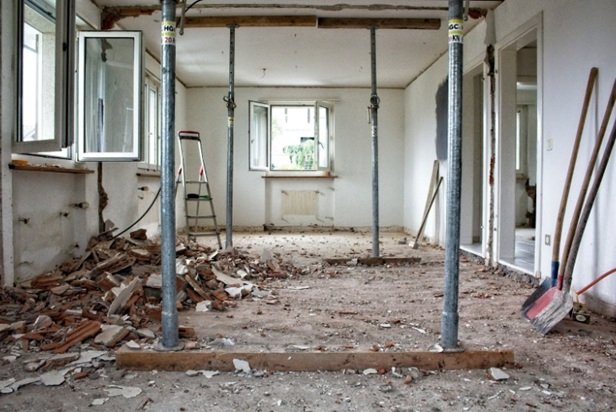
Successful renovation projects depend on thorough preparation that transforms existing spaces into clean canvases ready for transformation.
Removing old fixtures and restoring concrete surfaces creates the foundation upon which quality renovations are built. Understanding proper preparation techniques ensures that subsequent work proceeds smoothly while achieving professional results.
Why Preparation Determines Renovation Success
Renovation preparation often receives less attention than exciting design elements and new installations.
However, inadequate preparation creates problems that persist throughout project completion and beyond. Investing time and resources in proper preparation protects overall renovation investments.
Existing fixtures, anchors, and surface damage left unaddressed interfere with new installations. Flooring cannot lie flat over protruding anchors, while wall finishes telegraph underlying defects. Thorough removal and restoration eliminate these obstacles before they compromise finished work.
Professional contractors recognise preparation quality as the differentiator between mediocre and exceptional renovation outcomes.
Their experience demonstrates how shortcuts during preparation phases create lasting problems. This knowledge drives their insistence on adequate preparation regardless of schedule pressures.
Assessing Preparation Requirements
Systematic assessment identifies everything requiring removal or repair before renovation proceeds.
Walking through spaces methodically documents fixtures, damage, and conditions needing attention. This comprehensive inventory guides accurate budgeting and realistic scheduling.
Wall conditions, including mounted fixtures, anchors, holes, cracks, and surface damage, all require evaluation.
Previous installations leave evidence requiring removal and repair for a clean finished appearance. Documenting wall conditions ensures nothing is overlooked during preparation planning.
Floor assessment identifies embedded anchors, adhesive residues, coatings, cracks, and level variations.
Concrete floors particularly accumulate numerous penetrations from equipment and fixture installations over time. Understanding the floor preparation scope prevents surprises that delay subsequent phases.
Ceiling evaluation determines whether existing systems suit renovation plans or require modification.
Damaged tiles, outdated lighting, and deteriorated grid systems may need replacement. Assessment guides decisions about ceiling system retention or replacement.
Fixture Removal Techniques
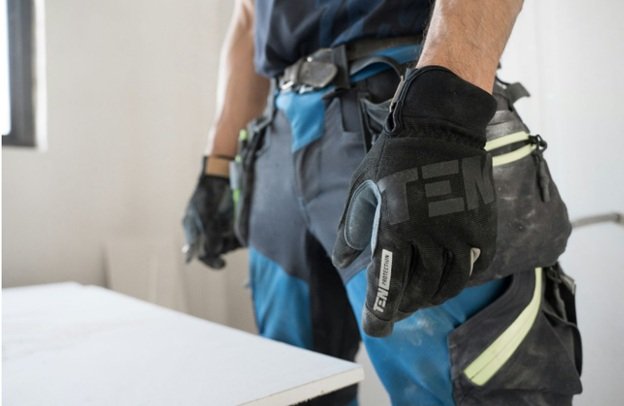
Mounted shelving, cabinets, and equipment leave behind brackets, anchors, and surface damage when removed.
Careful removal minimises additional damage while extracting all components completely. Rushed removal frequently causes unnecessary damage requiring more extensive repairs.
Signage and decorative elements often involve adhesives combined with mechanical fasteners.
Removing these items without damaging underlying surfaces requires patience and appropriate techniques. Heat application, careful prying, and solvent use all have roles in successful removal.
Electrical fixtures require proper disconnection before physical removal proceeds.
Licensed electricians should isolate circuits and make safe any electrical components. Safety must guide all electrical work regardless of apparent simplicity.
Plumbing fixtures leave penetrations, mounting hardware, and often water damage requiring attention.
Proper capping and testing prevent leaks from abandoned supply and drain lines. Water damage assessment should accompany any plumbing fixture removal.
Concrete Anchor Challenges
Commercial and industrial spaces accumulate extensive embedded anchors from years of equipment installations.
Racking systems, machinery, safety barriers, partitions, and fixtures all require anchoring into concrete. These remnants must be addressed before new finishes or installations can proceed.
Anchor types, including expansion bolts, sleeve anchors, chemical anchors, and concrete screws, each present different removal challenges.
Understanding anchor mechanisms guides appropriate removal techniques for each type. Incorrect approaches risk damaging the surrounding concrete unnecessarily.
Professional bolt removal services Australia specialists extract embedded fasteners without causing collateral concrete damage.
Their equipment and techniques remove anchors cleanly while preserving surface integrity. This expertise prevents the cracking and spalling that amateur attempts frequently cause.
Corroded anchors present particular challenges when rust expansion has bonded them tightly within concrete. Forcing corroded anchors risks fracturing the surrounding material extensively. Professional assessment determines optimal approaches for deteriorated fasteners.
Flush cutting provides alternatives when complete extraction proves impractical or unnecessary. Grinding anchor heads below the surface level allows floor coverings or coatings to proceed. This approach suits situations where remaining embedded portions cause no interference.
Surface Damage Repair
Anchor removal leaves holes requiring filling to restore surface continuity. Repair material selection matches existing concrete colour and texture for invisible repairs. Proper filling techniques prevent shrinkage and adhesion failures that compromise repair longevity.
Crack repair addresses both structural concerns and cosmetic appearance. Epoxy injection fills fine cracks while larger openings require routing and filling with appropriate materials. Understanding crack causes guides whether cosmetic repair suffices or structural intervention is necessary.
Spalled areas where concrete has broken away need rebuilding to restore the original profiles. Bonding agents ensure repair materials adhere permanently to existing concrete. Feathering repair edges creates smooth transitions invisible after finishing.
Impact damage from equipment operation, dropped objects, and vehicle traffic creates localised repair needs. These random damage patterns require individual attention, matching repairs to specific conditions. Systematic inspection identifies all damage requiring attention.
Floor Preparation Processes
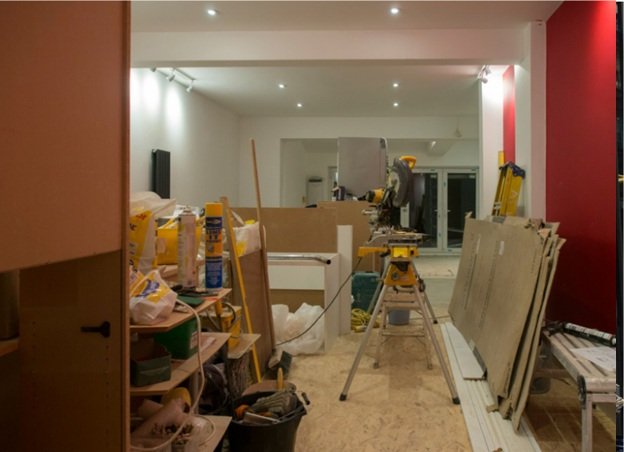
Adhesive residue removal addresses remnants from previous floor coverings. Carpet adhesives, vinyl glues, tile mastics, and coating failures all leave residues requiring removal. Methods, including grinding, scraping, and chemical treatment, suit different adhesive types.
Surface grinding removes coatings, contamination, and thin residue layers while levelling minor irregularities. Diamond grinding equipment efficiently prepares large floor areas to consistent standards. This mechanical preparation opens concrete pores, improving subsequent coating adhesion.
Shot blasting provides aggressive surface preparation for heavily contaminated or coated floors. Steel shot propelled against surfaces removes coatings and profiles from concrete simultaneously. This technique suits industrial floors requiring significant preparation.
Moisture testing determines whether concrete has adequately dried for moisture-sensitive floor coverings. Excessive moisture causes adhesive failures, coating delamination, and flooring material damage. Testing should precede any floor covering installation over concrete.
Self-levelling compounds correct surface irregularities, creating perfectly flat substrates. These cementitious products flow across floors, filling low areas automatically. Proper substrate preparation ensures that levelling compounds bond permanently.
Wall Surface Restoration
Hole filling addresses penetrations from removed fixtures, anchors, and previous installations. Appropriate filler selection matches substrate materials and intended finish systems. Overfilling slightly allows sanding flush for seamless repairs.
Skim coating creates uniform surfaces over patched and damaged areas. This thin plaster application conceals repairs while providing a consistent texture throughout. Quality skim work ensures repairs remain invisible through final finishes.
Crack repair in walls follows similar principles to floor work, with material selection matching crack characteristics. Flexible fillers suit cracks likely to experience movement, while rigid materials suit stable conditions. Proper crack treatment prevents recurrence through finished surfaces.
Surface priming seals repairs while providing a consistent base for paint or covering adhesion. Primer selection matches both substrate conditions and intended finish systems. Adequate priming prevents differential absorption, causing visible patchiness.
Ceiling Preparation Considerations
Suspended ceiling removal requires organised handling of tiles, grid components, and debris. Systematic removal preserves salvageable materials while managing waste efficiently. Planning debris handling streamlines removal operations considerably.
Above-ceiling inspection should accompany any suspended ceiling work. Hidden conditions, including damaged services, contamination, and structural issues, may require attention. Discovering problems before new ceiling installation prevents costly rework.
Direct-applied ceiling repairs address cracks, holes, and texture damage in plaster or drywall ceilings. These repairs require similar techniques to wall restoration, with attention to overhead working challenges. Proper scaffolding and safety equipment protect workers during ceiling work.
Lighting and fixture removal from ceilings leaves penetrations and mounting damage requiring repair. Planning new fixture locations determines which repairs must achieve finished quality. Strategic thinking prevents repairing areas subsequently penetrated for new installations.
Quality Control Standards
Inspection verifies preparation quality before subsequent phases proceed. Checking surface conditions, repair completeness, and cleanliness catches issues when correction remains simple. Quality gates between phases prevent problems from compounding through later work.
Documentation records preparation work supporting warranty coverage and future reference needs. Photographs capture conditions before, during, and after preparation activities. These records prove valuable during any subsequent disputes or insurance claims.
Testing confirms surfaces meet requirements for intended finish systems. Adhesion tests verify bonding conditions while moisture tests confirm drying adequacy. Objective testing provides confidence that subsequent work will succeed.
Acceptance criteria should be defined before preparation commences, with all parties agreeing on standards. Clear expectations prevent disputes about preparation adequacy. Written specifications guide contractors while protecting the owner’s interests.
Environmental and Safety Considerations
Dust control protects workers, building occupants, and mechanical systems during preparation activities. Containment barriers, ventilation systems, and personal protection address airborne particulate hazards. Proper dust management maintains healthy working environments.
Hazardous material identification should precede any demolition or surface preparation work. Asbestos, lead paint, and other hazardous materials require specialised handling by licensed contractors. Testing identifies these materials before disturbance spreads contamination.
Noise management addresses impacts on building occupants and neighbouring properties. Scheduling noisy work during appropriate hours minimises disruption. Communication with affected parties maintains positive relationships.
Waste disposal follows regulations governing different material types. Segregating hazardous from general waste ensures proper handling throughout disposal chains. Responsible waste management protects the environment while avoiding regulatory penalties.
Scheduling Preparation Work
Adequate time allocation for preparation prevents rushed work, compromising quality. Preparation phases often take longer than anticipated when unexpected conditions emerge. Buffer time protects overall schedules against preparation phase overruns.
Sequencing coordinates different preparation activities logically. Demolition precedes surface work, while repairs must cure before finishing proceeds. Understanding dependencies guides realistic schedule development.
Trade coordination ensures that different contractors work efficiently without conflicts. Clear communication about access requirements and work sequences prevents delays. Regular coordination meetings maintain alignment throughout preparation phases.
Conclusion
Renovation preparation through thorough fixture removal and concrete surface restoration creates the foundations for successful project outcomes.
This often-underappreciated work determines whether subsequent phases proceed smoothly and achieve the intended quality. Investing appropriately in preparation protects overall renovation investments while ensuring finished results meet expectations.
Professional assistance for specialised tasks ensures optimal outcomes from complex preparation requirements.
Expert contractors bring experience, equipment, and techniques, delivering superior results efficiently. Their involvement protects project schedules and budgets while ensuring preparation meets the standards that quality renovations demand.
