
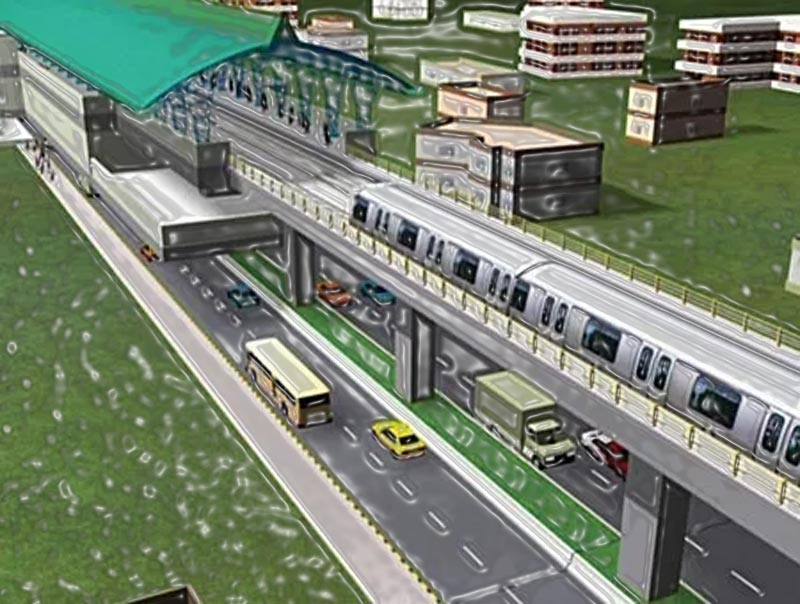
Urban metro systems are being developed with sustainability as a central principle. Green metro design aims to reduce environmental impact across the entire lifecycle, covering construction, operations, maintenance, and upgrades. This approach combines energy-efficient rolling stock, renewable power generation, resource-optimised station layouts, water recycling systems, and measures for noise and vibration control.
In addition to addressing urban mobility requirements, these systems contribute to broader environmental goals by lowering fossil fuel use and reducing material waste. Achieving this requires precise engineering decisions, the use of resource-efficient construction methods, and deployment of specialised heavy equipment that meets operational, environmental, and safety requirements.
Key Challenges in Implementing Green Metro Design
- Energy Consumption in Operations- Trains, escalators, elevators, lighting, and ventilation systems consume significant power. Balancing operational performance with energy efficiency requires integrated control systems and renewable sources.
- Material Selection and Lifecycle Impact- Track structures, station finishes, and rolling stock components involve substantial embodied energy. Selecting materials with recyclability and low carbon footprints is essential.
- Renewable Energy Integration- Installing solar, wind, or waste-to-energy systems within dense urban corridors presents space, structural, and cost constraints.
- Water Management in Stations and Depots- Metro stations and depots require efficient rainwater harvesting, wastewater recycling, and stormwater drainage systems to reduce reliance on municipal supply.
- Noise and Vibration Control- Urban metro corridors often run close to residential zones. Controlling noise and ground-borne vibrations involves engineering interventions in track and rolling stock design.
- Passenger Comfort with Low Environmental Impact- Maintaining ventilation, cooling, and lighting standards in underground and elevated stations without excessive energy usage demands specialised equipment.
Core Green Metro Design Elements
- Energy-efficient rolling stock with regenerative braking and lightweight materials.
- LED-based lighting with occupancy sensors in stations and tunnels.
- Solar photovoltaic (PV) systems on station roofs and depot buildings.
- Rainwater harvesting and water recycling plants for non-potable use.
- Low-VOC and recycled construction materials in station fit-outs.
- Green roofs and vertical gardens for microclimate regulation.
- Advanced signalling systems enabling smooth acceleration and deceleration for reduced energy spikes.
- Efficient HVAC systems with demand-based control and heat recovery.
Construction Equipments Used in Green Metro Projects
The development of green metro systems relies on a combination of large-scale, high-capacity machinery and precision-engineered tools. While many are standard in large infrastructure projects, their adaptation for environmentally sustainable metro works involves advanced technologies, low-emission power systems, and processes designed to reduce construction impact on surrounding communities.
1. Tunnel Boring Machines (TBMs)
Tunnel Boring Machines are the backbone of underground metro construction. They carry out continuous excavation, simultaneously supporting the tunnel with precast concrete segments. TBMs in green projects often run on electric drives or hybrid systems to reduce diesel emissions. They are fitted with high-efficiency dust extraction and slurry treatment plants, enabling the reuse of bentonite slurry and minimising water wastage. The muck removal is done through conveyor belts or rail cars, reducing the need for trucks in congested urban areas. Continuous monitoring systems within TBMs track vibration levels and ground settlement to ensure minimal disturbance to nearby structures.
2. Hydraulic Excavators
Hydraulic excavators are used for station box excavation, cut-and-cover tunnels, and depot earthworks. In dense city cores, they are deployed with low-noise engines and advanced hydraulic control for precision digging. Some green metro projects use bio-degradable hydraulic fluids and idle-time reduction systems to cut fuel consumption. Long-reach excavators are particularly valuable for deep excavations where space for machine repositioning is limited. Attachments like rock breakers, clamshell buckets, and grapples expand their versatility for different geological conditions.
3. Cranes
Multiple crane types are essential in metro works:
- Tower cranes are fixed to lift construction materials vertically in station areas.
- Crawler cranes provide high lifting capacity for pier construction and segment placement in viaduct sections.
- Mobile cranes allow quick relocation for installing escalators, elevators, and HVAC equipment.
In green metro projects, cranes are often equipped with variable frequency drives for smoother operation and reduced energy spikes. Load-sensing hydraulics improve lifting efficiency, while electric or hybrid cranes are increasingly used for indoor or depot works to reduce exhaust emissions.
4. Piling Rigs
Piling rigs create the deep foundations needed for viaduct piers and station structures. These can be rotary rigs for hard strata or continuous flight auger (CFA) rigs for softer soils. In urban settings, rigs with noise-dampened power packs and vibration suppression technologies are preferred to limit disturbance. GPS and load sensors ensure precise pile depth and alignment, reducing rework and wastage. In green projects, CFA piles also allow minimal spoil removal since excavated material is brought up within the auger flight while concrete is pumped in simultaneously.
5. Concrete Batching Plants
On-site or nearby batching plants supply large volumes of ready-mix concrete for structural works. In green metro projects, these plants integrate recycled materials like fly ash, ground granulated blast furnace slag (GGBS), and recycled aggregates. Modern batching plants feature enclosed conveyors to control dust, and automated water recycling systems to reduce fresh water use. Real-time batching control software ensures precise cement content, avoiding overuse and thus lowering embodied carbon.
6. Segment Casting Yards and Gantry Cranes
Precast segments for tunnels and viaducts are produced in controlled environments to ensure durability and dimensional accuracy. Moulds are precision-fabricated, and curing is optimised using steam or accelerated heat treatment systems powered by renewable sources where possible. Gantry cranes handle heavy segments efficiently within the yard, while quality checks ensure minimal rejection rates. Efficient yard layouts reduce equipment movement, cutting fuel use.
7. Launching Girders
Launching girders are self-propelled overhead gantries used for placing precast viaduct segments in elevated metro construction. They operate above traffic, reducing road closures and disruption. The girders move from span to span, lifting segments from transport trailers and placing them with millimetre-level accuracy using hydraulic jacks. In green projects, launching girders may use electric drives and regenerative braking systems to conserve energy.
8. Shotcrete Machines
Shotcrete machines apply high-velocity concrete mixes onto tunnel walls, slopes, and retaining structures. They are essential for ground stabilisation in underground sections before the final lining is installed. Green adaptations include dust suppression systems at the nozzle, low-rebound mix designs to minimise waste, and electrically driven compressors to replace diesel-powered units in enclosed spaces. Remote-controlled spraying arms improve worker safety in confined tunnel zones.
9. Track Laying Machines
Track laying machines automate the placement of rails and sleepers, ensuring alignment accuracy and reducing manual labour. For ballastless track systems common in modern metros, these machines position precast slabs, install fastening systems, and weld rails in sequence. The automation reduces fuel usage compared to multiple smaller machines, and noise-reducing equipment allows work during off-peak hours with minimal disturbance.
10. Material Handling Systems
Efficient material transport is vital in metro projects, especially in constrained sites. Systems include:
- Conveyors for moving excavated spoil from tunnels to muck pits.
- Monorail hoists for transporting heavy equipment within tunnel alignments.
- Automated Guided Vehicles (AGVs) for moving materials in depots and assembly yards without human drivers.
Intelligent Monitoring and Control Technologies
Green metro systems increasingly rely on digital platforms:
- Energy Management Systems (EMS) to track, analyse, and optimise electricity consumption.
- Building Management Systems (BMS) for integrated control of lighting, HVAC, escalators, and water systems.
- Condition Monitoring Sensors on escalators, lifts, and ventilation fans for predictive maintenance.
- IoT-enabled Water Meters for real-time consumption tracking.
- GIS-based Asset Management for tracking solar, lighting, and equipment performance.
Conclusion
Green metro design integrates sustainable construction, energy efficiency, and renewable technologies into a unified transport system. From regenerative braking in trains to rainwater harvesting in stations, each equipment choice impacts environmental performance over decades of operation. As urban transit networks expand, the systematic adoption of such equipment and design practices can significantly reduce operational costs, improve passenger comfort, and align with global emission reduction goals.






