
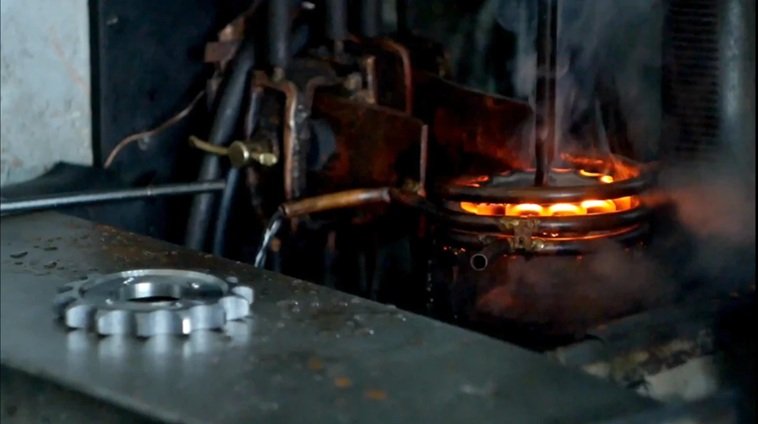
When precision, durability, and reliability are critical to your product’s success, heat treatment is not an afterthought. It’s a core part of the manufacturing process. The right heat treatment can extend the service life of components, improve performance, and reduce failure risks. The wrong one? That can mean unexpected distortion, compromised strength, and costly rework.
Choosing a heat treatment service provider isn’t simply a procurement task. It’s a strategic decision. Here’s how to make that decision with confidence.
Know Who You’re Working With
Before anything else, verify credentials. A provider offering heat treating services should have quality management systems in place, such as ISO 9001 or industry-specific certifications like AS9100 or NADCAP for aerospace work. These standards aren’t just symbolic. They reflect consistent processes, repeatability, and traceability — all of which are essential when parts are mission-critical.
Equally important is the provider’s track record. Ask for references from clients in similar industries or with similar material requirements. If they’ve delivered consistent results in those environments, there’s a good chance they can meet your expectations too.
Avoid the tendency to over-prioritize cost. Lower pricing often comes with trade-offs in quality control, documentation, or lead time reliability. What seems economical upfront may cost more in rework, delays, or part failures down the line.
Be Clear on What You Need
Heat treatment is not one-size-fits-all. Before engaging a provider, define your technical requirements. What’s the alloy? What’s the desired hardness or case depth? Are you looking for wear resistance, toughness, dimensional stability?
The more specific your input, the better the output. Vague instructions often result in inconsistent outcomes. Engineers and quality teams should align early on with the provider to avoid misinterpretation. Include drawings, specifications, and any special process notes. If you’re unsure, a technically competent provider should be able to offer guidance — but they can only advise effectively if you’re clear about your objectives.
Evaluate Capabilities, Not Just Services
Different providers specialize in different processes. Some focus on large-scale vacuum heat treatment. Others may excel in salt bath nitriding, induction hardening, or sub-zero treatments. The right match depends on your material and application.
Ask about equipment size, load capacity, temperature uniformity controls, and atmosphere options. Can they handle the size and quantity of your parts? Do they offer in-house metallurgical testing and reporting? What level of traceability is included? A provider should not only be able to run the process, but also demonstrate how it is controlled and verified.
Also consider turnaround times. Providers that handle high-volume batches might not be suited for quick prototyping or low-volume, high-complexity work. Alignment here can prevent unnecessary delays or process constraints later on.
Communication Should Be Consistent and Technical
In B2B manufacturing, communication gaps are one of the most common sources of error. You want a provider who is responsive, transparent, and technically competent. They should be able to answer detailed questions about process parameters, past performance, and risk management without defaulting to vague or overly generic language.
You should expect clarity around lead times, capacity, and change management. If timelines shift or specs need adjusting, early notification and collaborative problem-solving go a long way. An effective provider communicates proactively, not reactively.
Assess the Full Cost, Not Just the Quote
Pricing is always part of the conversation, but it should be evaluated in context. Ask for a breakdown of what’s included: masking, fixturing, hardness testing, documentation, expedited service options. A lower base price may exclude these elements, resulting in additional fees or compromises in quality.
Clarify policies around rework, liability, and conformance. Does the provider guarantee performance within your tolerances? Do they have a documented process for managing nonconformities? These are not just quality questions. They impact your delivery timelines and reputation with your own customers.
Long-term partnerships typically deliver better value than one-off transactions. A provider who understands your industry, production flow, and technical preferences will improve consistency over time — which reduces your internal effort and risk.
Final Thoughts
Choosing the right heat treatment service provider is a technical decision with operational impact. It affects quality, throughput, compliance, and customer satisfaction. Make sure your selection process reflects that.
Define your requirements clearly. Confirm their capabilities. Evaluate their communication and accountability. And always consider the full cost of service, not just the number at the bottom of the quote.
The right provider becomes more than a vendor. They become part of your production ecosystem, helping you deliver better parts, on time, and at the level of quality your customers expect.
