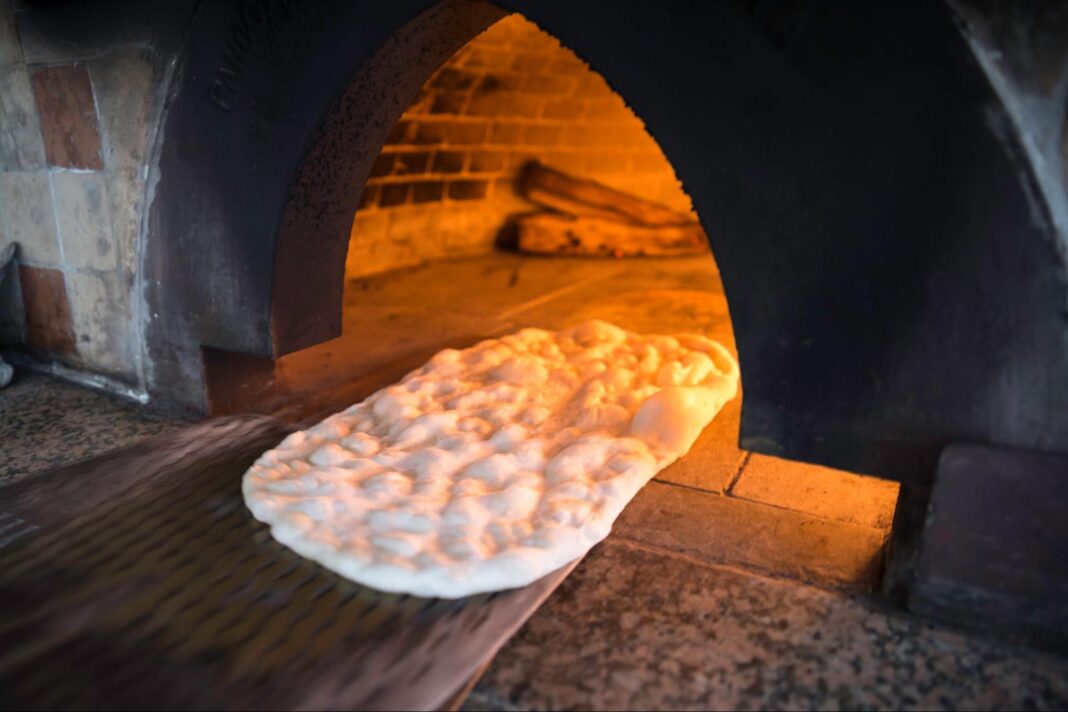
Modern high-temperature ovens are used in many environments, from laboratories to small workshops and specialised home setups. These devices are designed to reach and maintain very high temperatures while still operating safely and efficiently. Whether they are used for drying materials, curing coatings, or performing simple heat treatments, ovens must keep heat stable inside the chamber.
This is where high-temperature insulation ovens play a crucial role. Insulation helps keep heat inside the oven while preventing excessive heat loss to the surrounding air. Without proper insulation, an oven would lose energy quickly and struggle to maintain the desired temperature.
Good insulation also reduces energy consumption and improves energy efficiency. When heat stays inside the chamber, the oven does not need to use as much power or fuel to maintain stable conditions. As a result, the entire process becomes more reliable and economical. Although insulation is hidden inside the oven walls, it is essential to how modern high-temperature ovens function.
What Happens Inside a High-Temperature Oven
To understand why insulation is so important, it helps to look at what happens inside high-temperature ovens during normal use at home. These ovens are designed to heat a closed chamber where food or other materials are placed for baking, roasting, or specialised cooking processes.
Inside the oven, heating elements produce heat that gradually raises the temperature of the air within the chamber. In many modern models, a fan circulates this hot air to spread the heat evenly. This movement of air helps maintain consistent temperatures throughout the oven, which improves both cooking accuracy and overall performance.
Users usually select the desired temperature using a control panel or thermostat. The oven then heats up until it reaches the chosen level and automatically adjusts the heating elements to keep the temperature stable. This control system allows the oven to operate with good precision, which is important when preparing different dishes.
For example, some foods require moderate temperatures for longer periods, while others need higher heat for shorter cooking times. Baking bread, roasting vegetables, or drying ingredients all depend on controlled heat and stable temperatures inside the chamber.
Well-designed insulation helps maintain this stable environment. By keeping heat inside the oven and reducing heat loss, insulation allows the oven to reach the desired maximum temperature more quickly and maintain it more efficiently while cooking.
What Is High-Temperature Insulation?
High-temperature insulation is a special type of insulation designed to slow down the movement of heat at very high temperatures. In simple terms, it helps keep heat where it is needed. In high-temperature insulation ovens, the goal is to keep as much heat as possible inside the chamber while preventing it from escaping through the oven walls.
A useful way to think about insulation is to compare it to a thermos flask. A thermos keeps hot drinks warm because its walls reduce heat transfer. Oven insulation works similarly, but it must handle far higher temperatures and much more intense heat.
In high-temperature ovens, insulation is placed between the hot chamber and the outer box of the oven. This layer of insulation reduces heat loss and helps the oven maintain stable temperatures during different processes. As a result, the oven can operate more efficiently and safely.
Several types of materials are used for this purpose. Ceramic fibre, mineral wool, and refractory insulation materials are common choices because they are suitable for very high-temperature environments. These materials are designed to withstand extreme heat while maintaining their structure and insulating properties. By keeping heat inside the chamber, insulation allows ovens to perform thermal processes with greater stability and reliability.
How Insulation Improves Energy Efficiency
Insulation plays an important role in the energy efficiency of domestic ovens. When an oven is heating up, a large amount of heat is generated inside the chamber. Naturally, this heat tries to escape through the walls, door, and other parts of the oven. If the appliance has poor insulation, much of that heat is lost to the surrounding air.
When heat escapes, the oven must use more electricity or fuel to maintain the selected temperature. This increases energy consumption and makes the appliance less efficient. Good insulation reduces this problem by slowing down the movement of heat through the oven walls.
In well-designed high-temperature ovens, insulating materials surround the cooking chamber and help keep heat inside. Because less heat escapes, the oven can reach the desired temperature faster and maintain it more easily. This means the heating elements do not need to work as hard to keep the temperature stable.
Better insulation also improves everyday performance in the kitchen. When temperatures remain steady, food cooks more evenly and predictable results are easier to achieve. At the same time, improved energy efficiency helps reduce electricity use over time, which can lower household energy costs while making the oven more environmentally friendly.
Materials Used in High-Temperature Oven Insulation
Domestic ovens may look simple from the outside, but inside they contain several carefully selected materials that help manage high temperatures safely. These materials work together to keep heat inside the cooking chamber while protecting the outer parts of the appliance.
One of the most common insulation materials used in high-temperature ovens is mineral wool or similar heat-resistant fibre insulation. This material is placed between the inner chamber and the outer casing of the oven. Its main purpose is to slow down the transfer of heat so that the temperature inside the chamber remains stable.
Another important material is fire cement. Fire cement is a heat-resistant compound that can withstand very high temperatures without cracking. In domestic ovens it is often used to seal joints, secure heating elements, or fill small gaps around insulation layers. By preventing heat from escaping through these openings, fire cement helps maintain consistent temperatures inside the oven.
The inner surfaces of the chamber are typically made from coated steel or enamelled materials that tolerate high heat and are easy to clean. Meanwhile, the outer structure of many ovens is built from stainless steel or similar durable metals that provide strength and protect the insulation layers.
Together, these materials create a structure that allows domestic ovens to reach high temperatures while remaining safe, efficient, and reliable for everyday cooking.
You can find various high-temperature materials at Vitcas.
Oven Design: Size, Capacity, and Internal Structure
The design of a domestic oven also plays an important role in how well it maintains heat. Although most home ovens follow a similar basic structure, small differences in size, capacity, and internal layout can affect both cooking performance and energy efficiency.
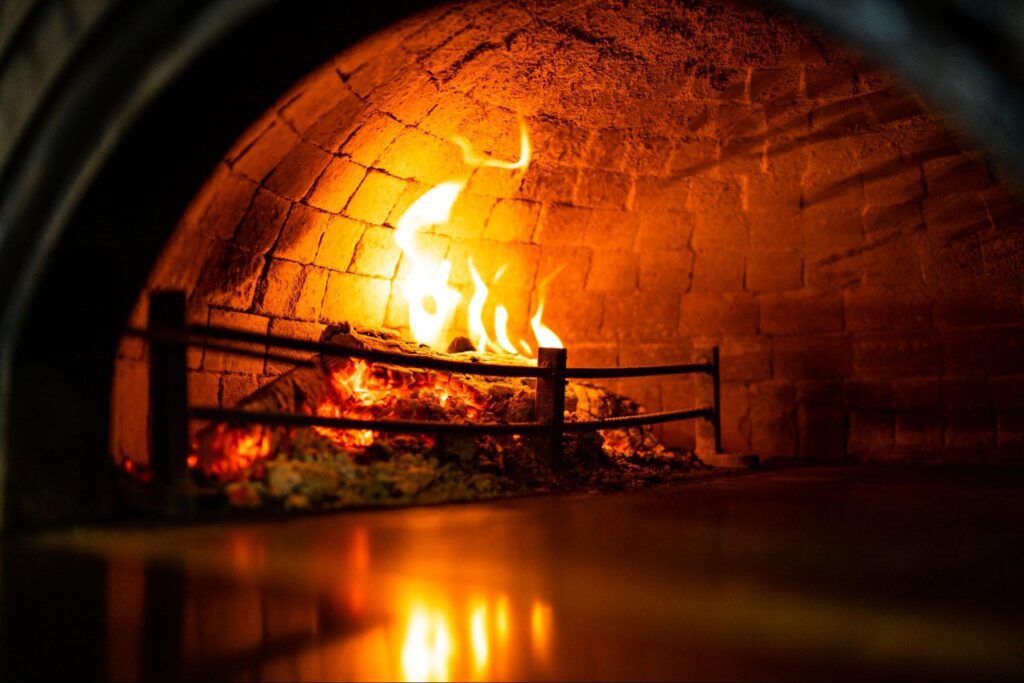
At the centre of the appliance is the cooking chamber, which is the space where food is placed during baking or roasting. This chamber is surrounded by insulation and enclosed within a metal box that forms the body of the oven. The goal of this design is to keep heat concentrated inside the chamber while protecting the outer surfaces from excessive temperatures.
Domestic ovens are produced in several models and sizes to suit different kitchens. Capacity is often described in litres, which indicates how much space is available inside the oven. Larger ovens provide more room for cooking multiple dishes at the same time, while smaller models are ideal for compact kitchens.
The internal structure usually includes adjustable shelves that allow users to position trays or dishes at different heights. This flexibility helps optimise cooking depending on the type of food being prepared. For example, baking may require placing a tray in the centre of the chamber, while grilling works better when food is positioned closer to the heat source.
Manufacturers also describe the internal dimensions of ovens in millimetres (mm), which helps users understand how much space is available for trays and cookware. Combined with effective insulation and well-designed heating systems, this structure allows domestic ovens to provide reliable performance and consistent temperatures during everyday cooking.
Why Temperature Accuracy Matters
Temperature accuracy is vital in domestic ovens because many types of food require stable and predictable heat to cook properly. Even small changes in temperature can affect the final result, especially when baking or preparing dishes that rely on precise cooking conditions.
For example, baking bread or cakes requires a steady temperature throughout the cooking time. If the heat inside the chamber is too low, the dough may not rise correctly. If it becomes too hot, the outside may cook too quickly while the inside remains undercooked. Accurate temperature control helps ensure that food cooks evenly.
Roasting is another process where stable temperatures are essential. Meat, vegetables, and other dishes need consistent heat so that they cook at the same rate. When the temperature inside the oven fluctuates too much, some parts of the food may cook faster than others.
Modern ovens are equipped with thermostats and electronic controls that help maintain the selected temperature. These systems monitor the heat inside the chamber and adjust the heating elements when necessary. Good insulation supports this process by keeping heat inside the oven and reducing sudden temperature changes.
As a result, better temperature accuracy improves cooking performance, helps achieve more consistent results, and makes everyday use of the oven more reliable.
Choosing the Right High-Temperature Oven
When choosing a domestic high-temperature oven, several important features should be considered. Although most modern ovens perform similar basic functions, differences in design, insulation, and temperature capability can affect both performance and energy efficiency.
One of the first things to check is the maximum temperature the oven can reach. Different cooking tasks require different heat levels. Standard household ovens usually operate between moderate and relatively high temperatures suitable for baking, roasting, grilling, and drying certain ingredients. Choosing a model with an appropriate temperature range ensures the oven is suitable for everyday cooking needs.
Another key factor is insulation quality. Well-designed high-temperature insulation ovens keep heat inside the chamber more effectively. This improves energy efficiency and reduces overall energy consumption during cooking. Good insulation also helps the oven maintain stable temperatures, which supports better cooking results.
The size of the chamber is also important. Buyers should consider the oven capacity in litres and the internal dimensions in mm to ensure that trays, dishes, and cookware will fit comfortably inside. Adjustable shelves are another useful feature, as they allow food to be placed at different levels depending on the cooking method.
Finally, many modern models are equipped with digital controls and temperature sensors that improve precision and ease of use. These features help the oven operate more accurately and maintain stable temperatures over time. By choosing a well-designed oven with suitable features, users can achieve reliable performance and better results in everyday cooking.
Conclusion: The Hidden Science That Keeps Heat Where It Belongs
Although it is not visible during everyday use, insulation is one of the most essential elements inside a domestic oven. It helps keep heat inside the chamber, protects the outer structure of the appliance, and allows the oven to operate safely at high temperatures.
Effective insulation improves energy efficiency by reducing heat loss and lowering overall energy consumption. Because the oven does not need to constantly replace lost heat, it can maintain stable temperatures with less effort. This makes cooking more efficient and helps reduce energy use over time.
Good insulation also supports better temperature accuracy. By keeping heat evenly distributed inside the chamber, it allows ovens to provide consistent cooking conditions. This stability is important for many kitchen tasks, from baking bread to roasting meals and drying ingredients.
Modern ovens are carefully designed using durable materials, protective outer structures such as stainless steel, and insulation layers that manage heat effectively. Together, these features allow ovens to reach high temperatures while remaining reliable and safe for everyday use.
In the end, insulation is the hidden technology that makes modern ovens work efficiently. By keeping heat where it belongs, it ensures better cooking performance, improved efficiency, and dependable results in the kitchen.