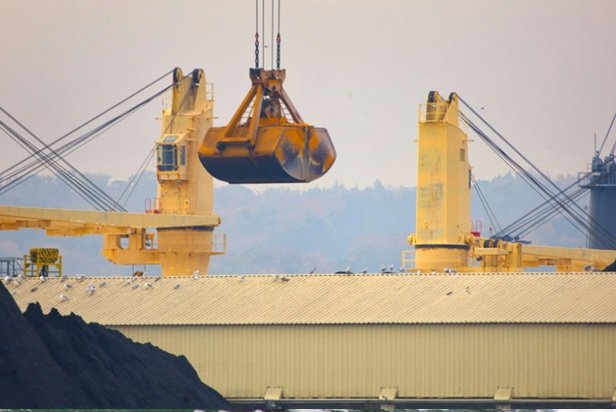
Marine concrete structures face some of the harshest conditions imaginable for building materials. Saltwater exposure, tidal cycles, wave action, and marine organisms create a perfect storm of destructive forces attacking infrastructure relentlessly.
Understanding these challenges and implementing protective strategies determines whether marine structures last decades or fail prematurely.
The Unique Challenges of Marine Environments
Saltwater contains corrosive elements that aggressively attack concrete and embedded steel reinforcement. Chloride ions penetrate concrete pores, reaching steel rebar and initiating corrosion processes that expand metal volume.
This expansion creates internal pressures that crack and spall concrete from within, progressively destroying structural integrity.
Tidal zones experience the most severe deterioration due to repeated wetting and drying cycles. This splash zone endures constant moisture fluctuation, freeze-thaw action in colder climates, and maximum oxygen availability, accelerating corrosion.
Structures in tidal areas often show damage first, signaling broader deterioration throughout marine infrastructure.
Wave action physically erodes concrete surfaces through abrasion and impact forces. Suspended sediment, shells, and debris carried by waves act as grinding agents, wearing away protective concrete layers.
Over the years, this mechanical damage exposes reinforcement and creates pathways for deeper chloride penetration.
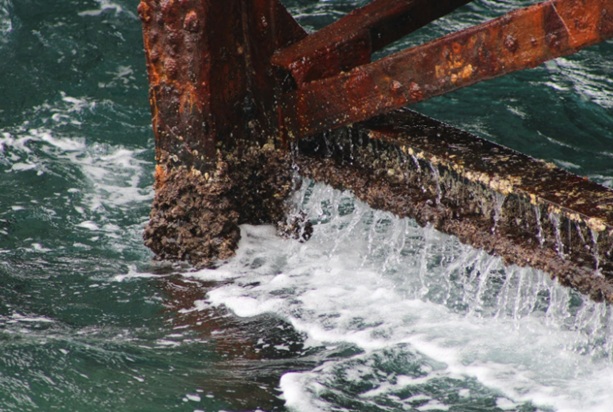
Marine organisms, including algae, barnacles, and mollusks, colonize concrete surfaces, retaining moisture and producing acids that chemically attack cement matrices.
Biological activity creates microenvironments where deterioration accelerates beyond typical saltwater exposure rates. These living organisms essentially weaponize natural processes against concrete durability.
Understanding Concrete Degradation in Saltwater
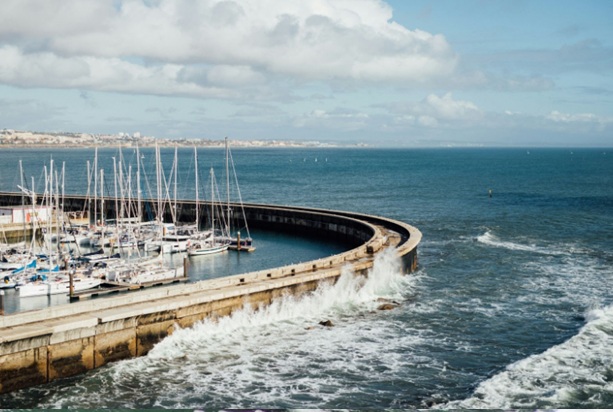
Concrete deterioration follows predictable patterns that informed observers can identify early. Surface discoloration, rust staining, and minor cracking signal that internal corrosion processes have begun. These early warning signs often appear years before serious structural compromise becomes evident.
Spalling occurs when expanding corroded reinforcement fractures the concrete cover, causing chunks to separate from the underlying structures.
This damage exposes more reinforcement to saltwater, accelerating deterioration in cascading failures. Once spalling begins, deterioration rates increase exponentially without intervention.
Alkali-aggregate reactions in saltwater environments produce expansive gels that crack concrete from within.
These chemical processes occur slowly but inexorably, creating deterioration that continues decades after construction. Marine environments amplify these reactions through constant moisture availability and salt presence.
Carbonation reduces concrete alkalinity, which normally protects embedded steel from corrosion. As carbon dioxide penetrates concrete, pH levels drop below thresholds where steel passivation breaks down. Combined with chloride ingress, carbonation dramatically accelerates reinforcement corrosion in marine structures.
Initial Construction Quality Matters
Proper concrete mix design represents the first defense against marine environment deterioration. Low water-cement ratios create denser concrete with fewer pathways for chloride penetration.
Using supplementary cementitious materials like fly ash or slag cement improves durability while reducing permeability.
Adequate concrete cover over reinforcement delays corrosion initiation by creating longer paths for chloride penetration.
Marine structure specifications typically require 75-100mm cover compared to 40-50mm for typical construction. This additional protection provides crucial years of service life before corrosion begins.
Proper consolidation during placement eliminates voids and honeycomb defects that become deterioration starting points.
Vibrating concrete thoroughly while avoiding segregation creates uniform, dense material resisting saltwater intrusion. Quality control during placement directly correlates with long-term structural performance.
Curing procedures dramatically impact concrete’s final impermeability and strength characteristics.
Extended moist curing allows hydration reactions to create denser cement paste with fewer capillary pores. Rushing construction schedules that abbreviate proper curing compromises durability for decades of service life.
Protective Coatings and Sealers
Surface treatments create barriers preventing saltwater from contacting concrete directly. Penetrating sealers fill concrete pores without forming surface films, allowing moisture vapor transmission while blocking liquid water and chlorides.
These treatments work invisibly, preserving concrete’s natural appearance while enhancing protection.
Epoxy coatings form impermeable barriers, completely isolating concrete from marine environments.
These high-performance systems provide excellent protection but require meticulous surface preparation and professional application. Film-forming coatings need reapplication every 5-15 years, depending on exposure and product quality.
Corrosion inhibitors can be applied to concrete surfaces, penetrating to reinforcement and creating protective layers on steel.
These chemical treatments slow or stop corrosion processes even after chloride contamination has reached the rebar. Inhibitor application works as part of comprehensive protection or repair strategies.
Cathodic protection systems use electrical currents to prevent steel reinforcement corrosion regardless of concrete condition.
These sophisticated systems require professional design and installation but can arrest deterioration even in severely damaged structures. Cathodic protection represents the most reliable method for stopping reinforcement corrosion.
Regular Inspection Programs
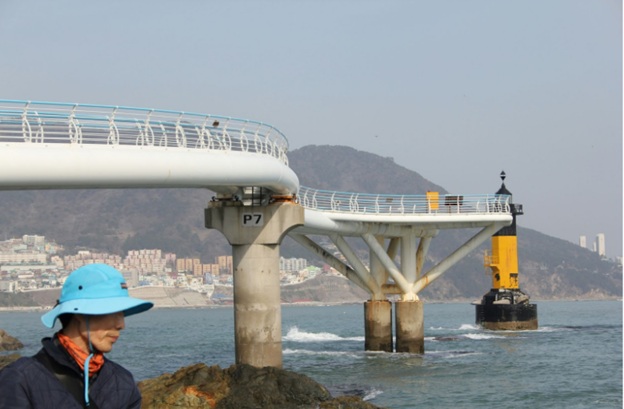
Systematic inspections identify deterioration early when repairs cost less and structural impacts remain minimal.
Annual visual surveys document surface conditions, noting changes that indicate progressing damage. Photographic records create timelines showing deterioration rates, guiding maintenance planning decisions.
Detailed inspections every 3-5 years should include concrete testing, chloride profiling, and reinforcement condition assessment.
Non-destructive testing methods reveal internal damage invisible from surface observations. Hammer sounding identifies delaminated concrete, while cover meters locate reinforcement and measure protective cover thickness.
Underwater inspections present unique challenges requiring specialized divers and equipment. Professional underwater concrete repair Australia specialists provide comprehensive subsurface assessments, identifying damage below waterlines. These below-water inspections often reveal extensive deterioration invisible from deck or shore-based observations.
Documentation from regular inspections supports data-driven maintenance decisions based on actual condition trends.
Comparing inspection results over the years reveals which structural areas deteriorate fastest, guiding resource allocation toward the highest-priority repairs. This intelligence prevents reactive crisis management in favor of planned, cost-effective maintenance.
Repair Strategies for Damaged Structures
Early-stage repairs addressing minor damage prevent expensive major interventions later. Sealing cracks, patching spalls, and reapplying protective coatings extend service life at reasonable costs. Catching deterioration early dramatically reduces lifecycle maintenance expenses while preserving structural capacity.
Concrete removal and replacement becomes necessary when deterioration has progressed beyond surface treatments.
Removing contaminated concrete to behind reinforcement, cleaning steel, and rebuilding with high-performance repair mortars restores structural integrity. Quality repairs using proper materials and techniques can outlast original construction.
Structural strengthening may be required when corrosion has reduced reinforcement cross-sections significantly. Adding external reinforcement, carbon fiber wraps, or supplementary structural elements restores load-carrying capacity. Engineering assessments determine whether strengthening provides viable alternatives to complete reconstruction.
Electrochemical treatments including chloride extraction and re-alkalization address contamination without physical concrete removal. These specialized procedures use electrical currents to remove chlorides from concrete or restore protective alkalinity around reinforcement. Such treatments work best on structures with sound concrete but progressive corrosion.
Preventive Maintenance Programs
Scheduled maintenance prevents minor issues from escalating into expensive emergency repairs. Regular cleaning removes salt deposits, marine growth, and debris that accelerate deterioration. Simple washing with fresh water after storm events reduces salt concentrations attacking concrete surfaces.
Coating reapplication according to manufacturer schedules maintains protective barriers before they fail. Waiting for visible coating breakdown to trigger reapplication allows damage during periods without protection. Proactive recoating provides continuous protection, maintaining structural conditions rather than arresting deterioration.
Cathodic protection system monitoring ensures these installations function correctly. Routine potential measurements, current adjustments, and anode inspections keep systems operating within design parameters.
Well-maintained cathodic protection systems provide indefinite corrosion protection regardless of concrete condition.
Joint and seal maintenance prevents water intrusion through expansion joints, construction joints, and penetrations.
Failed joint sealants allow concentrated water flow carrying chlorides deep into structures. Maintaining these critical details prevents deterioration pathways that compromise otherwise sound concrete.
Material Selection for Marine Applications
High-performance concrete mixes designed specifically for marine exposure provide superior durability. Incorporating silica fume, metakaolin, or other pozzolans creates extremely dense concrete, highly resistant to chloride penetration.
These premium mixes cost more initially but deliver extended service life, justifying additional expense.
Corrosion-resistant reinforcement, including stainless steel, epoxy-coated bars, or fiber-reinforced polymer (FRP), eliminates the primary marine structure failure mechanism.
While significantly more expensive than conventional steel, these materials prevent corrosion-induced damage, justifying costs in critical applications. Long-term economics often favor corrosion-resistant reinforcement despite higher initial costs.
Marine-grade repair mortars formulated for saltwater environments bond reliably to existing concrete while resisting further deterioration.
These specialized products incorporate corrosion inhibitors, low shrinkage characteristics, and enhanced adhesion properties. Using appropriate repair materials determines whether repairs last decades or fail within years.
Sealers and coatings specifically rated for immersion service provide protection that conventional products cannot match. Marine-grade products withstand continuous water contact, wave action, and biological growth that quickly destroy inadequate coatings. Verifying marine suitability before product selection prevents wasted money on inappropriate materials.
Environmental Considerations
Marine structure maintenance must protect sensitive aquatic ecosystems from contamination. Capturing debris from repair work prevents concrete dust, old coatings, and construction materials from entering waterways. Environmental regulations mandate containment and proper disposal of all waste materials from marine work.
Coating selections should prioritize environmentally friendly products with low toxicity to marine life. Traditional antifouling coatings containing heavy metals harm aquatic organisms and face increasing regulatory restrictions. Modern eco-friendly alternatives provide necessary protection without ecological damage.
Timing maintenance activities to avoid sensitive periods for fish spawning, bird nesting, or marine mammal presence demonstrates environmental stewardship.
Regulatory agencies often restrict marine work during specific seasons, protecting vulnerable species. Planning around these restrictions prevents project delays while protecting ecosystems.
Erosion control during marine construction prevents sediment from clouding water and smothering benthic habitats. Turbidity curtains, silt screens, and proper excavation techniques minimize environmental impacts. Responsible contractors prioritize environmental protection alongside structural objectives.
Long-Term Asset Management
Developing comprehensive asset management plans guides systematic maintenance investments over structure lifespans.
These plans inventory all marine infrastructure, document conditions, prioritize repairs, and project future funding needs. Strategic planning prevents crisis-driven spending in favor of cost-effective preventive maintenance.
Lifecycle costing analyses compare immediate repair expenses against long-term benefits and delayed major reconstruction costs. Spending appropriately on maintenance extends structural life far beyond design expectations.
Deferred maintenance eventually costs multiples of preventive programs through emergency repairs and premature replacement.
Budget allocation for marine infrastructure maintenance requires dedicated funding separated from general operational budgets.
Consistent maintenance funding prevents cycles of deterioration and expensive catch-up repairs. Organizations successfully managing marine assets commit to steady maintenance investment regardless of competing financial pressures.
Technology integration including sensors, monitoring systems, and condition databases improves maintenance program effectiveness. Real-time corrosion monitoring alerts managers to accelerating deterioration before visual damage appears. Data-driven decision making optimizes maintenance timing and resource allocation.
Conclusion
Protecting concrete in saltwater environments requires understanding unique degradation mechanisms and implementing comprehensive protective strategies.
From initial construction quality through ongoing maintenance programs, each element contributes to structure longevity. Marine infrastructure represents substantial investments deserving systematic protection ensuring decades of reliable service.
Success in marine concrete preservation combines quality materials, protective treatments, regular inspections, and timely repairs into coordinated programs. Organizations committing to these comprehensive approaches see structures lasting far beyond design life expectations.
The investment in proper marine concrete protection pays dividends through avoided reconstruction costs, maintained functionality, and preserved asset values supporting waterfront operations for generations.