Choosing the right fence in Hawaii is rarely a cosmetic decision. Wind exposure, salt air, moisture, and soil movement place constant stress on fencing systems. In our work inspecting residential fence failures from Ewa Beach to Kaneohe, we have learned that material choice determines whether a fence lasts five years or twenty. Many homeowners begin by comparing cost alone, yet performance differences become obvious only after installation. This is especially true when evaluating chain link versus vinyl in island conditions. Homeowners exploring hawaii vinyl fencing often ask whether the premium price delivers meaningful advantages. Based on experience and long term performance data, the answer is yes more often than most expect.
Hawaii’s Environment Is Harder on Fences Than Most Markets
Fencing in Hawaii faces constant environmental pressure. Salt carried by ocean air accelerates metal corrosion. High humidity promotes fastener oxidation. Trade winds apply lateral loads that stress posts and connections. Heavy rain softens soil and weakens foundations.
According to corrosion engineering research, locations near coastal salt‐water environments exhibit significantly higher atmospheric corrosivity categories. This reflects accelerated corrosion rates compared with inland environments due to the combined effects of salt deposition and humidity.
In our field inspections along Windward Oahu, chain link fences routinely show coating loss and wire thinning within seven to ten years. Vinyl systems, by contrast, often remain structurally intact after fifteen years when installed properly.
Chain Link Performance in Tropical Conditions
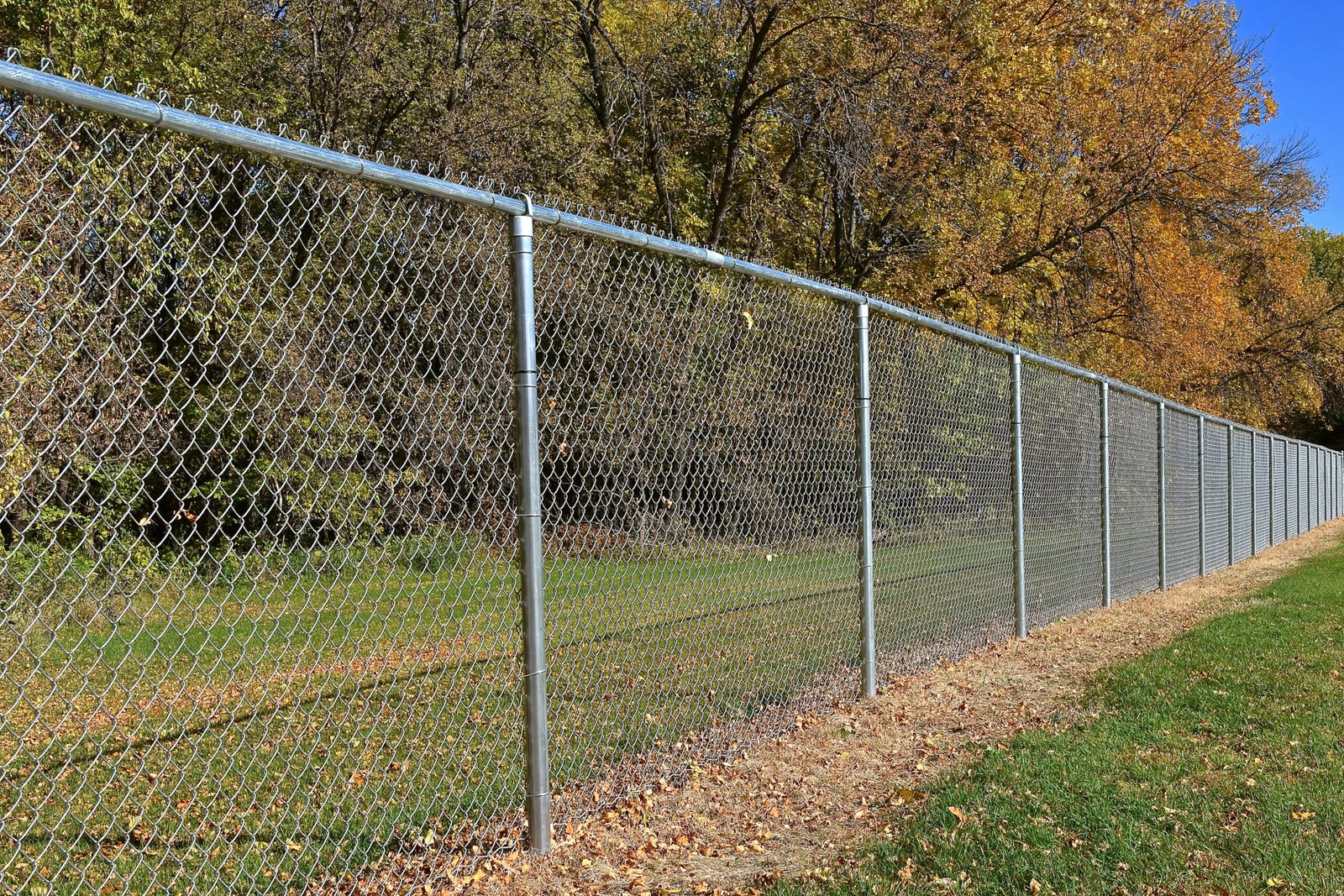
Chain link fencing remains popular because of its low initial cost and visibility. In dry inland regions, galvanized chain link performs reasonably well. Hawaii presents a very different challenge.
Based on experience evaluating coastal installations, three weaknesses appear consistently:
- Zinc coatings degrade quickly in salt exposure
- Steel tension wires corrode before visible failure appears
- Post bases loosen in saturated soils
The Federal Highway Administration documents accelerated corrosion in marine atmospheres as a leading cause of steel infrastructure deterioration. While vinyl coated chain link improves appearance, it does not eliminate internal corrosion. Once wire cores begin thinning, structural failure becomes inevitable even when surfaces still appear intact.
Vinyl Fencing and Long Term Durability
Vinyl fencing avoids metal corrosion entirely. High quality PVC formulations resist moisture absorption, salt attack, and ultraviolet degradation when properly manufactured.
In our long term monitoring of residential fences in Kapolei and Hawaii Kai, vinyl systems show predictable aging patterns. Color fade occurs gradually. Structural integrity remains stable. Fasteners experience minimal corrosion when stainless hardware is used.
According to the Vinyl Institute, modern PVC materials are moisture-resistant and do not absorb water, which discourages microbial growth on their surfaces. For tropical climates, this moisture resistance becomes a decisive advantage.
Tradeoffs That Matter in Real Installations
Neither material is perfect. Each presents tradeoffs that homeowners must understand.
Chain link advantages:
- Lower initial cost
- Faster installation
- High visibility for pets and security
Chain link disadvantages:
- Corrosion risk in salt air
- Limited privacy
- Higher maintenance over time
Vinyl advantages:
- No rust or corrosion
- High privacy options
- Low maintenance
Vinyl disadvantages:
- Higher upfront investment
- Wind load sensitivity if poorly anchored
- Limited color options in some suppliers
In coastal zones, durability often outweighs initial cost. A fence replaced twice costs more than one installed correctly the first time. Learn more about Building the Best Fence for Your Hawaii Home.
Common Installation Mistakes That Shorten Fence Life
Based on years of site inspections, three errors account for most premature fence failures in Hawaii.
First, shallow post embedment. Wind uplift requires deeper footings than mainland standards.
Second, untreated hardware selection. Standard galvanized fasteners corrode rapidly near the coast.
Third, ignoring soil drainage. Posts placed in saturated soil lose bearing strength within years. Contractors who follow generic specifications often underestimate these conditions.
Local Conditions Change Material Priorities
Location matters. In Makakilo and Mililani, lower salt exposure allows chain link to perform acceptably for longer periods. In Kailua, Lanikai, and Ewa Beach, salt exposure shortens metal service life dramatically.
In wind corridors such as Koko Head slopes, vinyl panels require reinforced posts and reduced spacing. Chain link performs better structurally in extreme wind but sacrifices longevity.
This is why material recommendations must reflect neighborhood conditions, not statewide averages. Many DIY fences struggle to withstand storms, often due to overlooked structural details. Learn why your DIY fence falls over in a storm and how to reinforce it to keep it standing strong.
Maintenance Realities Over Twenty Years
Maintenance costs determine true ownership expense.
Chain link requires:
- Periodic rust treatment
- Coating repair
- Wire tension adjustments
Vinyl requires:
- Occasional washing
- Hardware inspection
- Rare panel replacement after storm damage
In our cost tracking for HOA properties on Oahu, vinyl fencing averaged forty percent lower lifetime maintenance cost than chain link over fifteen years despite higher installation cost.
Security, Privacy, and Property Value
Fencing influences both function and perception. Chain link provides visibility but minimal privacy. Vinyl offers visual screening that many homeowners prefer in dense neighborhoods.
In Hawaii’s real estate market, privacy fencing often increases buyer appeal in urban zones. Chain link remains preferred for agricultural and utility properties where visibility matters more than aesthetics.
Choosing material aligned with neighborhood norms preserves resale value.
Final Judgment
In Hawaii’s coastal and humid climate, vinyl fencing outperforms chain link in durability, maintenance cost, and long term appearance for most residential properties. Chain link remains practical for inland, utility, and budget driven installations. For homes near the ocean, corrosion risk alone justifies vinyl’s premium.
A fence should protect your property, not become your next replacement project. Consult a professional fence installer to ensure that your fence will last.