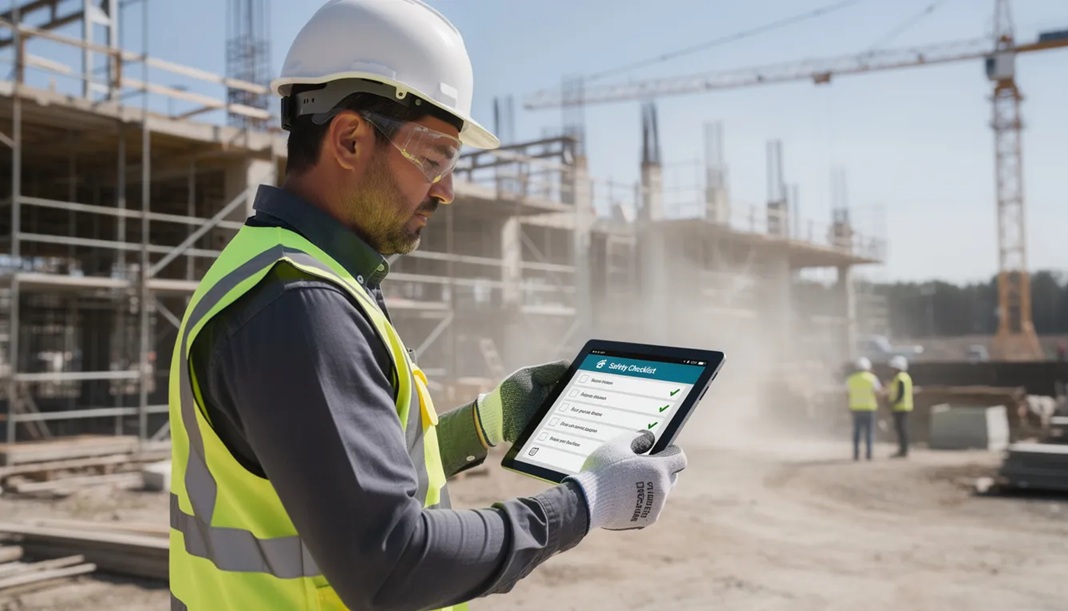
Construction sites have always carried risk, but today’s jobsite leaders have access to far more than hard hats, warning signs, and paper checklists. Digital safety platforms, wearable monitoring devices, drone inspections, equipment sensors, and real-time communication tools are changing how contractors identify hazards before they turn into serious incidents.
That is important because severe construction injuries rarely come from a single failure. In many cases, they happen when multiple small breakdowns stack on top of each other. A missed inspection, poor communication between crews, an unmarked hazard, delayed reporting, or a shortcut taken to save time can create the conditions for a life-changing accident. Smarter safety systems cannot eliminate every danger on a construction site, but they can reduce the chances that obvious risks go unnoticed. Even as new tools improve monitoring, contractors still need to follow established OSHA construction safety guidance to reduce preventable hazards on active jobsites.
One of the biggest advantages of modern safety technology is visibility. Site managers can now track recurring hazards, document near misses, monitor restricted areas, and flag problems faster than ever before. When crews are working across multiple zones, real-time reporting tools help supervisors respond quickly instead of finding out about an issue after someone has already been hurt. In a fast-moving construction environment, that speed matters.
Wearable devices and connected equipment also have a growing role. Some tools can monitor movement, detect unsafe proximity to machinery, or alert teams when workers enter dangerous areas. Others improve accountability by creating a digital trail of inspections, maintenance logs, and safety checks. That kind of documentation is valuable for both prevention and response. When a company knows where safety gaps keep showing up, it has a better chance of correcting them before those gaps lead to a fall, crush injury, head trauma, or other catastrophic outcome.
Still, technology only works when it is backed by real jobsite discipline. A contractor can invest in the latest software and still have serious problems if supervisors are not enforcing procedures, crews are not trained properly, or reporting systems are ignored when schedules get tight. Safety technology should support a stronger safety culture, not replace it. The best results come when digital tools are paired with consistent training, clear accountability, and leadership that treats worker protection as part of project performance rather than an obstacle to productivity.
That matters even more when construction projects involve multiple contractors and subcontractors. On many sites, responsibility is spread across different teams, each with its own supervisors, timelines, and pressures. Without strong coordination, hazards can fall through the cracks. Smart systems can improve communication, but they do not erase the need for clear oversight. If no one is making sure warnings are acted on, inspections are completed, and site conditions are corrected, risk remains high no matter how advanced the tools are.
When those failures lead to a serious injury, the consequences extend far beyond the jobsite. Workers and their families may face emergency care, surgery, lost income, long recovery periods, and uncertainty about what comes next. In more severe cases, the harm can affect a person’s mobility, independence, long-term earning capacity, and quality of life. When that happens, injured workers may need guidance from experienced Tacoma construction accident lawyers who can evaluate whether third-party negligence, unsafe site conditions, or coordination failures contributed to the incident.
For companies, smarter safety systems should not be viewed as optional extras. They are becoming part of what responsible risk management looks like in modern construction. Better visibility, faster reporting, and stronger documentation can help reduce injuries, strengthen operations, and support safer projects from start to finish.
Construction will never be risk-free. But with the right systems, stronger oversight, and a serious commitment to prevention, jobsite leaders can do more to stop preventable injuries before they change lives forever.