
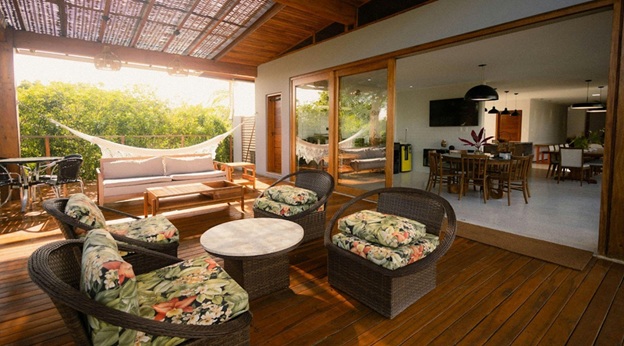
A room’s connection to the outdoors matters more than its square footage. Walls keep things contained. Windows let light in. But sliding patio doors do something different. They redefine how a room opens to fresh air, natural light, and the yard beyond.
A good set of sliding patio doors creates flow. It changes how you move through the house. It makes adjoining rooms feel larger. It helps bring the outside in without compromising comfort, security, or daily function.
A Design That Prioritizes Movement
Sliding doors differ from traditional hinged doors because of how they move. Rather than swinging open, they glide horizontally. This requires less clearance, which matters in tighter spaces or when furniture sits near the opening.
Smooth movement is not just convenient. It encourages frequent use. If opening and closing a door feels easy, people are more likely to keep it open when weather is pleasant and closed when conditions demand it.
Light That Doesn’t Interrupt
Rooms with large openings feel different. They read as more expansive and breathe better under natural light. Sunlight softens surfaces. Shadows shift during the day. Everything feels a bit more alive. Natural light brings out textures and colors in ways artificial lighting cannot.
Sliding patio doors make light part of the design instead of a supplemental element.
Space Efficiency and Practicality
In architectural planning, every inch matters. Hinged doors need clear space to swing into. Sliding doors reuse the same plane of space. That makes them a practical choice in:
• Kitchens that open to a deck
• Living rooms with narrow walkways
• Rooms where furniture is placed near doorways
The result is a space that feels cohesive and unblocked rather than segmented and interrupted.
Visual Continuity With the Outdoors
A solid wall creates a boundary. Windows allow peeks outside. Sliding patio doors create continuity between inside and outside. They provide a wide field of view that becomes part of everyday life.
This visual link has real effects on how a space feels:
• A focal point instead of a partition
• A sense of depth in otherwise flat rooms
• A connection to weather, seasons, and landscape
This is not decoration. It is a spatial experience that changes how a room is perceived.
Materials and Durability
A patio door must handle both indoor and outdoor conditions. The frame material affects performance over time.
Common considerations include:
• Resistance to moisture
• Thermal efficiency to keep inside temperatures steady
• Strength against wind and wear
The right material ensures the door functions smoothly for years. When a piece works without demanding attention, it becomes part of everyday life instead of something you adjust constantly.
When exploring structural options, browsing sliding patio doors from a range of designs helps clarify how performance and style work together.
Ventilation and Airflow
A sliding door is not just about light. It is about air. When you open a portion of the door, air enters without the turbulence that a hinged door can create. This is especially useful in:
• Warm months where breeze improves comfort
• Spaces where cross-ventilation reduces reliance on mechanical systems
• Transitional seasons when fresh air feels better than air conditioning
The ease of ventilation makes the space more adaptable to daily conditions.
Accessibility and Ease of Use
Not every opening needs to be dramatic. Some should be effortless. Sliding patio doors offer consistent ease of use because the mechanism supports:
• Smooth operation with minimal force
• Handles that align ergonomically with reach height
• Tracks that remain level and unobstructed
Good design reduces the frustration that can build with doors that stick or require extra effort. The more you use a door, the more important that consistency becomes.
Security That Feels Integrated
Security is a practical concern for any exterior opening. Modern sliding doors include features that balance openness with protection. Multi-point locks, reinforced frames, and quality latches help make the space safe without making it feel fortified.
A thoughtful design keeps the focus on living, not guarding.
Lighting and Privacy Balance
Glass offers transparency, but not all spaces benefit from full visibility. Treatments like:
• Frosted or patterned glass
• Strategic placement of landscaping
• Adjustable blinds or shades
can help maintain privacy without sacrificing light or connection to the outdoors.
This balance supports comfort across daily use.
Installation and Long-Term Function
A sliding patio door performs best when installed with care. A level track, properly sealed edges, and accurate alignment all contribute to long-term reliability. Imperfections in installation reveal themselves over time through:
• Uneven movement
• Drafts
• Water intrusion
Precision at the outset keeps maintenance minimal in the long run.
Everyday Use Becomes Easier
Sliding patio doors are not a feature you admire only once. They are part of the daily rhythm of a home. Opening them every morning. Closing them against evening chill. Noticing how light shifts over the floor. They integrate into the routine rather than interrupting it.
That is the design value that matters most.
A Design Choice That Supports Everyday Living
Sliding patio doors do more than fill a wall. They open a room to possibility — light, air, sightlines, movement, and comfort. They let interiors adapt to weather and mood. They support how people use spaces every day.
A well-chosen set becomes a silent partner in daily life, not a barrier. It turns a house into a home that moves with you.
Photo by Alef Morais on Unsplash



