
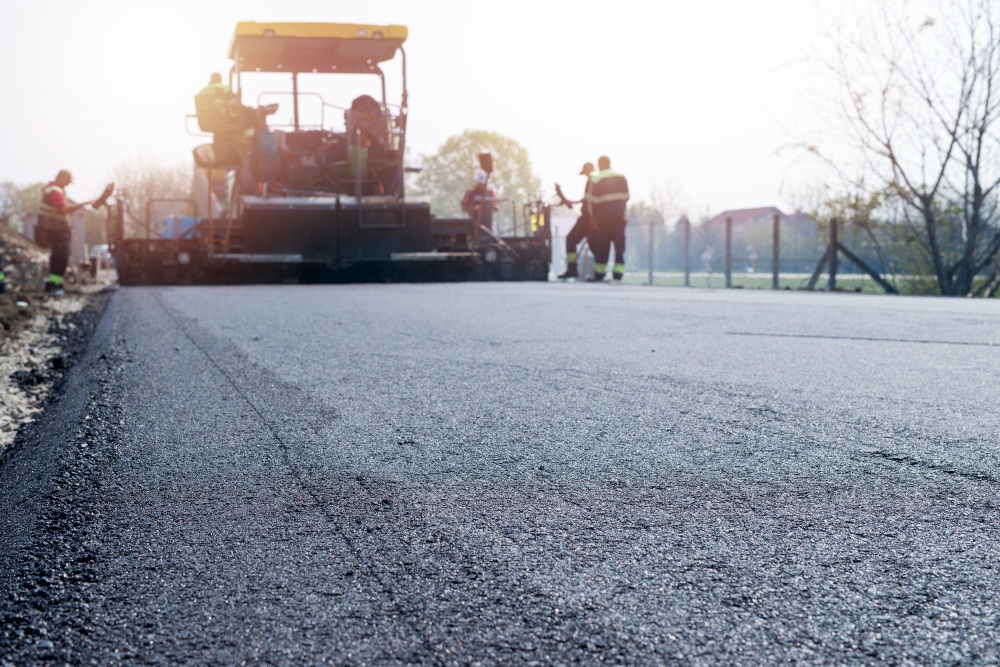
Road pavements are designed to carry traffic loads safely and comfortably over a defined service life. However, due to increasing traffic volumes, heavier axle loads, environmental effects, and material aging, pavements gradually deteriorate. Common distresses such as cracking, rutting, potholes, ravelling, and loss of riding quality reduce both structural capacity and user comfort.
Pavement overlay is a widely used and cost-effective method to restore pavement strength, improve ride quality, and extend pavement life. It involves placing an additional layer of material, such as bituminous, concrete, or composite mixtures, over the existing pavement.
Purpose of Pavement Overlays
Overlays are applied to:
- Restore or improve the structural strength of the pavement
- Enhance surface characteristics, including smoothness and skid resistance
- Prevent or slow down further pavement deterioration
- Enable pavements to handle heavier traffic loads
- Correct minor geometric or drainage issues
- Extend the service life of the pavement
Overlays are especially useful when the existing pavement structure is mostly intact but shows surface or moderate structural distress.
Advantages of Pavement Overlays
- Cost-effective compared to full reconstruction
- Reduced construction time
- Lower environmental impact
- Reuses existing pavement structure
- Can be applied in phases
Classification of Pavement Overlays
By Function:
- Functional Overlay: improves surface condition without significantly adding structural strength
- Structural Overlay: increases pavement strength to handle traffic loads
- Combined Overlay: provides both surface improvement and structural strengthening
By Material:
- Bituminous (Asphalt) Overlay
- Cement Concrete Overlay (White Topping)
- Composite Overlay (combination of materials)
- Special Overlays: include geosynthetic or fiber-reinforced systems

Functional Overlays
Thin surface layers mainly used to improve ride quality, surface texture, and waterproofing. They do not significantly enhance structural strength.
Common Types:
- Bituminous Concrete
- Mastic Asphalt
- Thin Hot Mix Asphalt
- Micro-surfacing
Applications:
- Roads with mostly sound structure but poor surface condition
- Urban roads with low to moderate traffic
- Preventive maintenance to extend pavement life
Advantages:
- Low cost and quick construction
- Minimal traffic disruption
Limitations:
- Does not correct structural problems
- Shorter lifespan compared to structural overlays
Structural Overlays
Designed to increase the load-carrying capacity of existing pavements. They redistribute traffic stresses and reduce fatigue and surface deformation.
Types:
- Asphalt overlay on flexible pavement
- Asphalt overlay on rigid pavement
- Concrete overlay on concrete pavement
Applications:
- Roads experiencing moderate to heavy traffic
- Pavements with structural distress that needs correction
Advantages:
- Significant extension of pavement life
- Improves both strength and ride quality
- Suitable for increasing traffic demands
Limitations:
- Higher cost than functional overlays
- Requires thorough pavement evaluation

Bituminous Overlay Methods
Asphalt Overlay on Flexible Pavements:
- Placed over existing asphalt after surface preparation
- Steps include surface repairs, crack sealing, and proper bonding
- Advantages: good adhesion, fast construction, adaptable for phased strengthening
- Challenges: risk of reflective cracking, requires proper drainage
Asphalt Overlay on Rigid Pavements (Black Topping):
- Asphalt applied over concrete pavement
- Potential for reflective cracking from underlying joints
- Mitigation: use of crack relief layers or stress-absorbing interlayers
Cement Concrete Overlays (White Topping)
Concrete placed over existing asphalt to provide a rigid surface.
Types:
- Conventional White Topping: thick concrete layer for high-traffic roads
- Thin White Topping: bonded to asphalt, used for moderate traffic
- Ultra-Thin White Topping: thin bonded layer, suitable for urban areas
Advantages:
- Long-lasting and durable
- Resistant to rutting and surface wear
Limitations:
- Higher initial construction cost
- Longer curing and construction time
- Requires skilled labor
Composite Overlays
- Combines different materials to take advantage of their strengths
- Examples include asphalt with geosynthetics or fiber-reinforced asphalt
- Benefits: better crack resistance, longer service life, and improved load distribution
Special Overlay Techniques
Geosynthetic-Reinforced Overlays:
- Use of geotextiles or grids between layers
- Helps control cracking, distribute loads, and resist moisture
Stress Absorbing Membrane Interlayers (SAMI):
- Flexible layer under the overlay to absorb stresses
- Reduces reflective cracking
Fiber-Reinforced Overlays:
- Incorporates fibers in asphalt or concrete
- Enhances strength, reduces cracking, and improves fatigue resistance
Pavement Evaluation Before Overlay
Before selecting an overlay method, the pavement must be evaluated:
- Visual survey: check cracks, rutting, potholes, and surface distress
- Structural evaluation: assess strength and load-carrying capacity
- Material testing: check condition of existing pavement layers
Design decisions should consider remaining life and failure mechanisms, not just surface appearance.

Construction Considerations
- Proper surface preparation is essential
- Drainage issues must be addressed before overlay
- Traffic management planning is required
- Construction conditions such as temperature and weather affect performance
- Quality control during laying and compaction ensures durability
Conclusion
Pavement overlays are an effective and practical solution for maintaining and strengthening roads. They help restore surface quality, improve structural capacity, and extend the service life of pavements without the need for full reconstruction. By selecting the appropriate overlay type based on pavement condition, traffic demand, and environmental factors, road authorities can ensure safer, smoother, and more durable roads while optimizing costs and resources. Overlays remain a key strategy in sustainable and efficient road management.






