
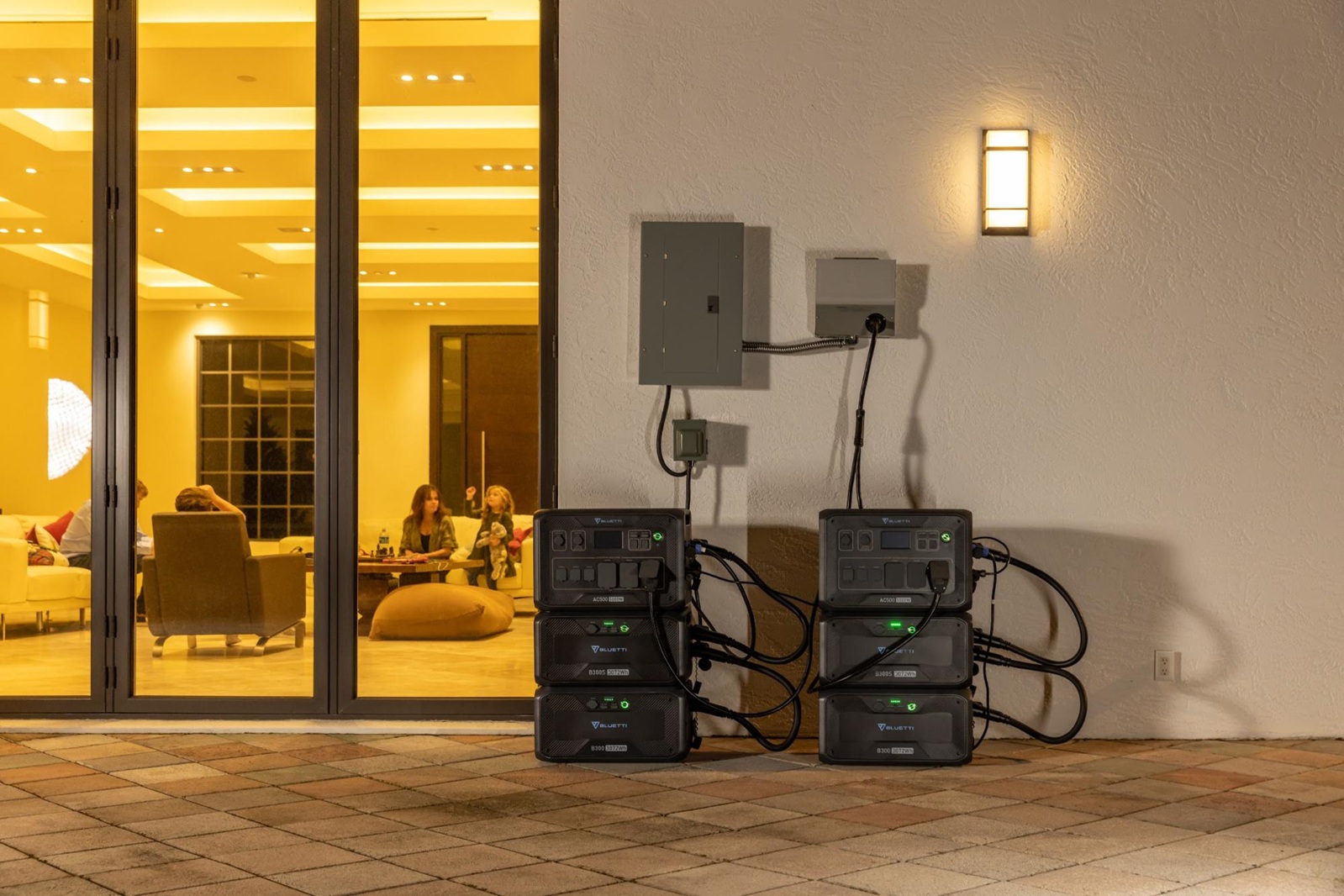
Residential battery backup systems are emerging as a necessity among homeowners who desire independence from power companies, avoid the negative impact of power blackouts, and have better control over electricity consumption. Temperature and climate are two of the important factors that are neglected, whilst the majority of people are concerned with battery capacity, brand, or price. The environmental conditions are crucial to the performance, durability, and reliability of a backup system.
Why Temperature and Climate Matter for Residential Battery Backup Systems
The temperature has a direct influence on the behavior of electrical and chemical processes within a battery backup system in a residential building. Batteries, inverters, wiring, and control electronics react differently to heat, cold, and moisture.
It is not that the environmental conditions are simply harsh on the battery only- they impact system reliability as a whole, such as energy delivery, safety features, and even the lifespan. Even a good system that has been installed in the incorrect weather conditions may not do well.
Homeowners should understand these key points: climate affects system efficiency and performance, proper installation is vital, and optimizing for temperature and humidity is essential for reliable operation in any location.
2. How Residential Battery Backup Systems Respond to Environmental Conditions
A residential backup system consists of many temperature-sensitive parts:
1. Battery cells (Lithium-ion, LFP, and others)
2. Inverter and power electronics.
3. Battery management system (BMS).
4 . Internal Cables and Connectors.
To achieve optimum performance and safety, manufacturers establish safe ranges of operating temperature. Performance declines or safe shuts could be experienced when systems are operated beyond these limits.
It should be noted that there is a difference between:
3. Impact of High Temperatures on Backup System Performance
Stress on the systems over a longer period may permanently reduce the life of the system.
Effects of High Temperatures on Backup Systems.
The influence of hot temperature on system components.
The speed of chemical reactions in batteries is increased by high temperatures. Although this might seem like a good idea, it, in reality, increases the rate of battery cell degradation. Heat is also sensitive to inverters and power electronics and may result in losses in efficiency.
Reduced Efficiency and Thermal Throttling
Thermal protection is found in most contemporary systems. At too high temperatures, the systems may automatically:
1. Minimized power charging or discharging.
2. Limit output capacity
3. Switch to thermal throttling mode.
This implies that your backup system can only provide less useful power at a time when it is required the most.
Cooling and Ventilation Challenges
The poor ventilation or insufficient air circulation in hot climates may en trap heat in the enclosures. Outdoor applications that are directly facing the sunlight are particularly sensitive.
Long-Term Risks of Consistent Heat Exposure
1. Shorten battery lifespan
2. Increase maintenance needs
3. Increase the threat of unplanned closures.
4. Impact of Low Temperatures on Backup System Performance
Cold-Weather Startup and Power Delivery.
Low temperatures retard chemical reactions within batteries. This can cause:
1. Delayed startup times
2. Reduced power output
3 . Delayed system response in case of outages.
Reduced Available Capacity
Temporary Limitations vs Long-Term Damage
The plus side of it is that most of the performance losses caused by cold conditions are temporary. Normal operation tends to resume once the temperatures come up and cause no permanent damage.
Built-In Cold-Weather Protections
Many modern systems include:
Minimum temperature charging restrictions.
Warmer or battery-heaters.
Automatic limitations on discharge.
These properties help to guard against the irreparable damage of the battery.
5. Climate-Specific Challenges for Residential Backup Systems
Hot and Arid Regions
Challenges include:
1. Overheating in closed areas.
2. Precipitation of dust that impacts ventilation.
3 .UV enclosures are degrading.
Cold and Snowy Climates
Homeowners may face:
1. Problem gaining access to outdoor systems.
2. Snow or ice is blocking the airflow.
3 . Cold-start limitations
Humid and Coastal Environments
Risks that are brought about by moisture include:
1. Connector and wiring corrosion.
2. Condensation within enclosures.
3 . Coastal damage from salt air.
Areas with Extreme Seasonal Fluctuations
6. Installation Considerations Based on Climate
The indoor installations have more stability concerning the temperatures, whilst the outside ones are space-saving. The climate is often the reason why one alternative is safer and more efficient.
Ventilation, Shading, and Airflow
1. Proper airflow is essential. Systems should be:
2. Placed in an environment that is not exposed to the sun.
3. Location: Natural ventilation.
4 . Kept clear of obstructions
Enclosure Ratings and Weather Protection
Weather enclosures prevent:
1. Rain and snow
2. Dust and humidity
3. Temperature extremes
Strategic Placement
Intelligent location reduces thermal stress to enhance reliability in the long term.
7. Role of System Controls and Battery Management Technology
Monitoring of Temperature among Components.
The advanced systems constantly check temperatures at:
1. Battery cells
2.Inverters
3. Power electronics
Automatic Protections and Alerts
Intrinsic safeguards comprise:
Over-temperature shutdowns
Bonapart charging blocks at low temperature.
Unsafe conditions alert its users.
Why Monitoring Is Critical
Under severe climatic conditions, monitoring at the system-level makes it safe and predictable across the year.
8. Best Practices to Maintain System Performance in Any Climate
1. Check system warnings regularly and temperature data.
2. Change settings according to the season.
3. Professional optimization of the climate is to be consulted.
4. Preventative treatment is a difference in efficiency and life expectancy.
9. How Temperature and Climate Affect System Lifespan and Reliability
The rate of component aging is affected by the environmental factors directly. Systems that can be run at constant temperature ranges are subject to:
1. Slower battery degradation
2. Fewer unexpected shutdowns
3. Longer service life
10. Common Climate-Related Mistakes Homeowners Should Avoid
A. Installations in stuffy areas.
B.Disregard of the manufacturer’s temperature instructions.
3. These errors will ensure that your investment is safe.
Conclusion
Temperature and climate directly impact residential battery backup system performance, efficiency, and lifespan. High heat reduces efficiency, cold limits short-term capacity, and overall conditions determine long-term system effectiveness.
Unless you plan it or upgrade the energy system in the house, a good and reliable choice like EPEVER residential battery backup could help to achieve everything in terms of long-term results and comfort. Installing it under the condition of the climate is the solution to everything.
