
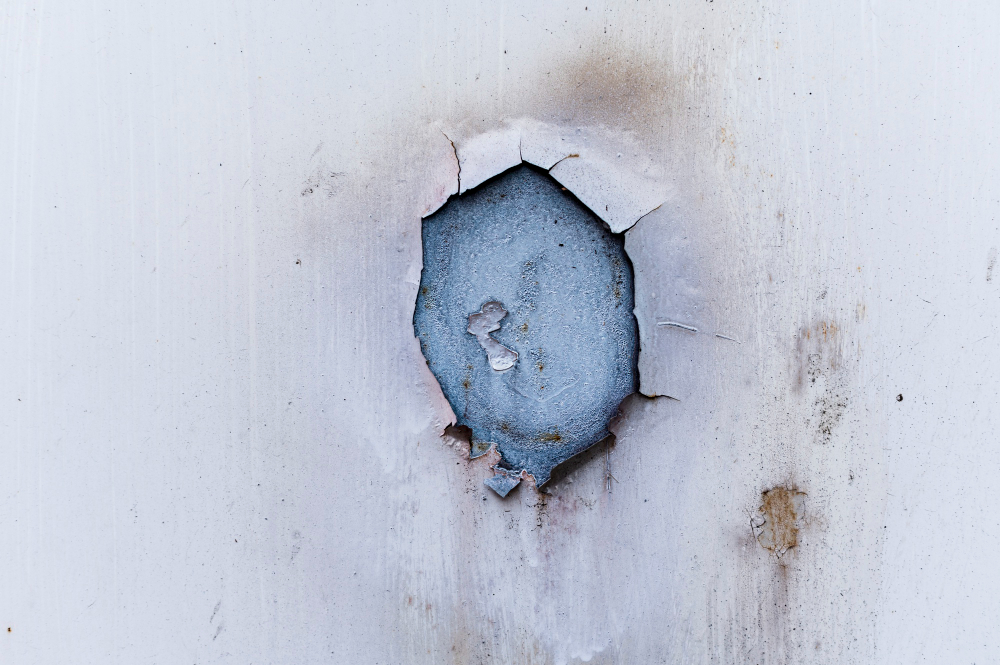
Waterproofing is one of those aspects of construction that often gets overlooked—until it fails. Even the best designs can be undermined if execution isn’t spot-on. The result? Leaks, structural damage, and unexpected maintenance costs, especially in government or high-stakes projects. Engineers and consultants who understand where things usually go wrong can take steps to prevent these issues and make sure the building stands the test of time.
Core Causes of Execution-Driven Waterproofing Failures
Waterproofing failures usually happen during installation, not because of poor materials. Even the best membranes and coatings will fail if workers don’t follow the right steps. Engineers and consultants on government projects often see these mistakes on site.
Common causes include:
- Preparing the surface inadequately before applying waterproofing
- Sealing joints, corners, and penetrations incorrectly
- Using materials or adhesives that are incompatible
- Allowing membranes insufficient time to cure or dry
- Skipping quality control or inspection during installation
Impact of Execution-Driven Waterproofing Failures
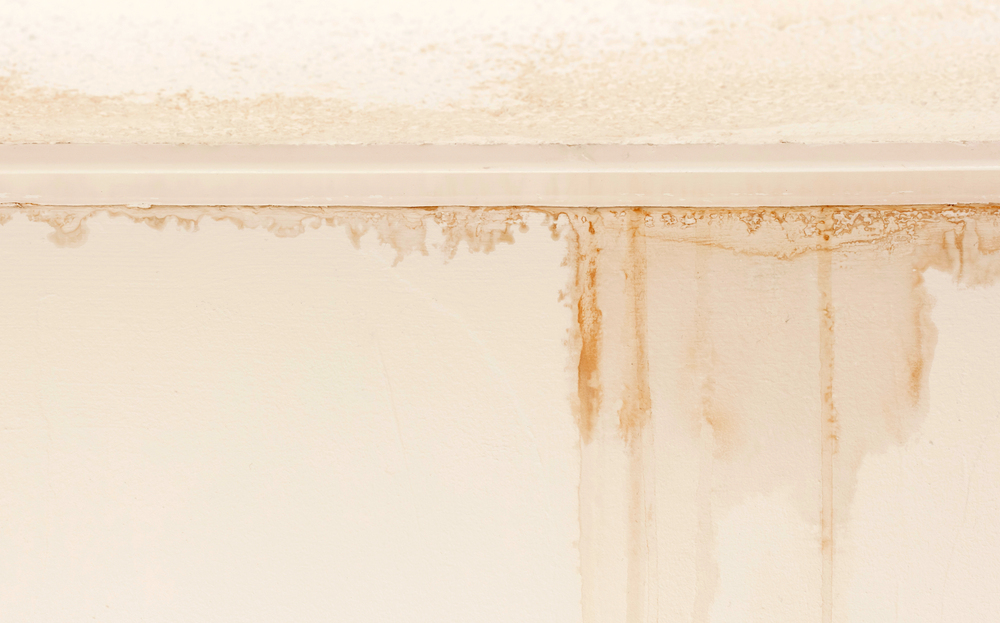
Waterproofing failures during installation can affect buildings in several ways. Engineers and consultants on government projects often see these issues causing both immediate and long-term problems.
Common impacts include:
- Water getting into walls, roofs, or terraces
- Damp spots and mold in living or working areas
- Weakening of slabs, beams, and exterior surfaces
- Trouble meeting compliance or regulatory requirements in public projects
- Higher maintenance costs and possible project delays
High-Risk Areas for Waterproofing Failures
Some building areas need extra care because they fail more easily when waterproofing isn’t done correctly. Knowing these zones helps engineers and consultants focus efforts where it counts.
Key spots include:
- Roofs, terraces, and balconies: Poor slopes can lead to water pooling
- Corners, joints, and penetrations: Around doors, windows, and pipes
- Basements and retaining walls: Vulnerable to soil moisture and groundwater
- Exposed walls in rainy or humid climates: Moisture can accumulate quickly
Paying attention, sealing well, and checking these areas during construction helps avoid leaks and keeps waterproofing lasting longer.
Best Practices and Prevention
Preventing execution-driven waterproofing failures needs skilled workers, the right materials, and proper supervision. Engineers and consultants see better results when teams follow practical steps on site.
Key strategies include:
- Check and prepare all surfaces thoroughly before applying waterproofing
- Use materials and adhesives that work well together and suit the environment
- Pay attention to joints, corners, and penetrations during application
- Perform quality checks at each stage of installation
- Train teams on proper application and required curing times
- Carry out post-installation inspections, including simple water tests, before handover
Following these steps in everyday workflows helps reduce failures and keeps waterproofing systems working longer.
Final Takeaways
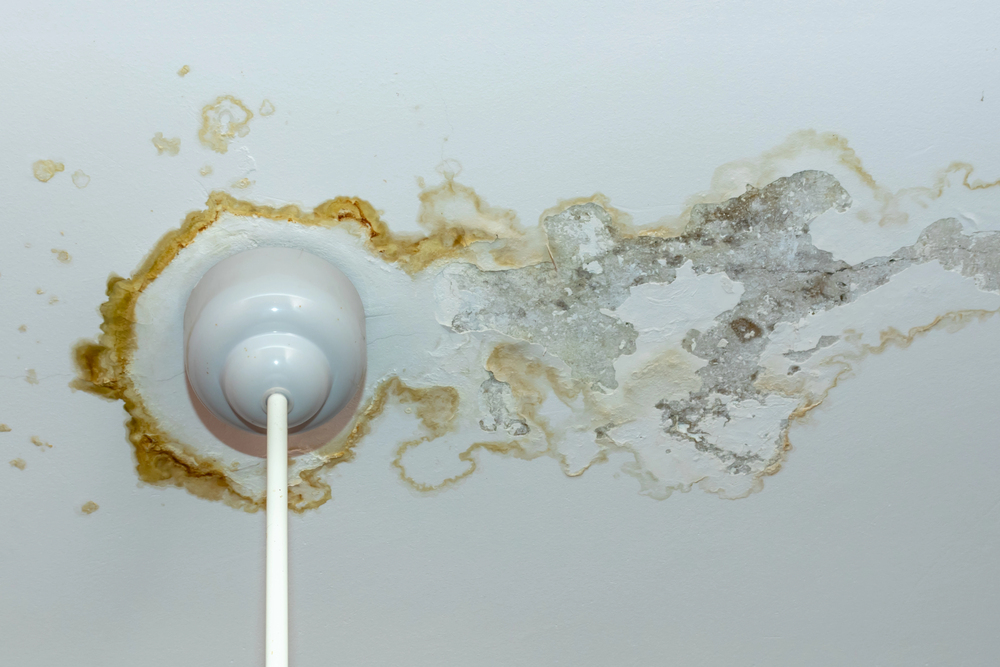
Execution-driven waterproofing failures can be avoided by installing materials correctly, using the right products, and checking the work as it goes. Engineers, consultants, and project managers who follow these steps can stop leaks, lower maintenance, and make sure the building meets standards. Watching the work closely and fixing small issues early helps waterproofing last longer and keeps the building working properly.






