
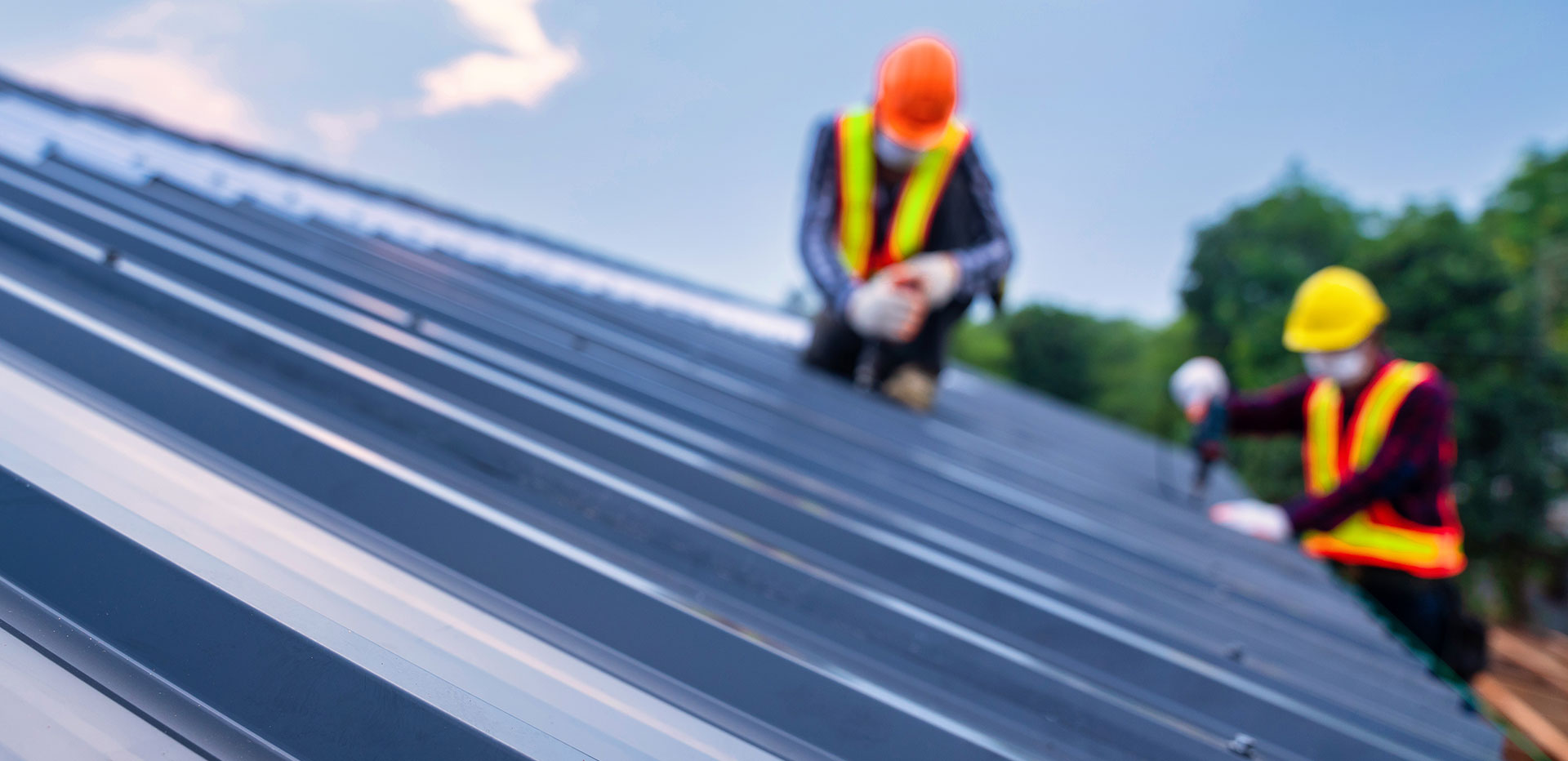
Waterproofing plays a critical role in protecting building integrity, yet many failures arise during execution on site. Design intent alone cannot prevent leakage if workmanship, material handling, and detailing are not properly controlled. For engineers, consultants, and government stakeholders, understanding execution-driven failures helps reduce rework, extend service life, and ensure reliable building performance.
Key Climatic Considerations
Roof selection should reflect local environmental conditions. Many roofing issues originate from using standard systems without climate-specific adjustments.
Climate-Related Factors
- Hot and dry areas – Roofs are exposed to high temperatures and thermal movement. Reflective surfaces and stable materials reduce surface distress.
- Cold and snow-affected areas – Snow load and freezing conditions govern roof design. Adequate slope, insulation, and cold-grade membranes are required.
- Rain-heavy regions – Roof performance depends on drainage and waterproof continuity. Inadequate slopes and detailing often lead to leakage.
- Wind-exposed sites – Wind uplift affects roof stability. Fixing design and fastening patterns must suit site wind conditions.
- Coastal or high-humidity areas – High moisture levels and salinity reduce material life. Corrosion-resistant materials are necessary, with provision for ventilation.

Common Risk Points in Roofing by Climate
Roof failures usually start at specific locations. Climate exposure increases the risk where detailing or workmanship is weak.
- Flat roofs and terraces – Poor slope or drainage results in standing water
- Roof edges and corners – High wind exposure can cause uplift and water entry
- Penetrations and joints – Failure often occurs around vents, skylights, pipes, and service entries
- Exposed roof surfaces (coastal/high sun) – Accelerated degradation from UV radiation and saline moisture
Impact of Choosing the Wrong Roofing System
- Water ingress damaging finishes and structure
- Hot/cold discomfort indoors, raising energy costs
- Roof materials degrading from sun, frost, or moisture
- Frequent maintenance and early replacement
- Possible non-compliance with government durability and safety standards
Best Practices for Climate-Based Roofing Selection
- Perform detailed site-specific climate assessment
- Select roofing materials suited to the local climate
- Plan roof slopes and drainage for effective rainfall control
- Include thermal insulation and proper roof ventilation
- Use corrosion-resistant, durable roofing components
- Inspect installation carefully and verify performance
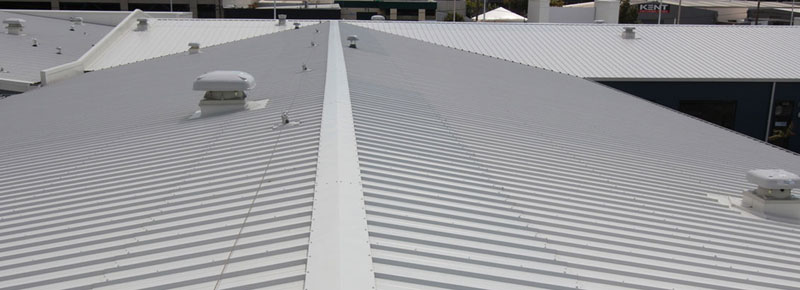
Execution and Maintenance Considerations
Even when appropriate roofing systems are selected, issues can arise during execution or later due to lack of routine attention. Installation quality and basic upkeep have a direct effect on roof performance and service life.
Key aspects to consider include:
- Installation control – Verify that materials are applied as specified and in line with approved construction details
- Joints and penetrations – Ensure proper sealing at edges, service entries, and junctions
- Material handling – Store and handle roofing materials to avoid damage before installation
- Drainage maintenance – Keep outlets and drainage paths clear to prevent water accumulation
- Periodic inspections – Check roof condition at regular intervals and rectify issues as observed
Final Takeaways
Roofing choice for different climate zones affects how long a building lasts and how comfortable it is inside. Engineers, consultants, and government teams who consider local weather can reduce leaks, energy loss, and roof damage. Using practical designs, appropriate materials, and proper installation helps roofs last longer, work efficiently, and meet required functional and safety standards.
